Skateboarding demands a lot from your footwear. Every ollie, kickflip, and grind puts tremendous stress on your shoes. Finding pairs that can withstand the constant friction and impact saves money and keeps you skating longer. This guide explores everything you need to know about selecting footwear that stands up to serious skating.
Understanding Why Skate Shoes Wear Out Fast
Skateboarding creates unique wear patterns that regular shoes simply cannot handle. The grip tape acts like sandpaper against your shoes with every trick. Additionally, the repeated flicking motion during tricks concentrates wear in specific areas. Understanding these stress points helps you choose better options.
The toe cap receives the most abuse during tricks. This area makes contact with grip tape constantly during ollies and flips. Furthermore, the sides of shoes face friction during grinds and slides. The sole also takes punishment from impacts when landing.
Different skating styles create different wear patterns. Street skaters typically destroy their shoes faster than those who prefer ramps. Therefore, your skating preferences should influence your footwear choices. Recognizing your specific needs makes selection easier.
Essential Materials for Maximum Durability
The materials used in construction directly impact how long your footwear lasts. Manufacturers have developed various solutions to combat wear and tear. However, not all materials perform equally well under skating conditions.
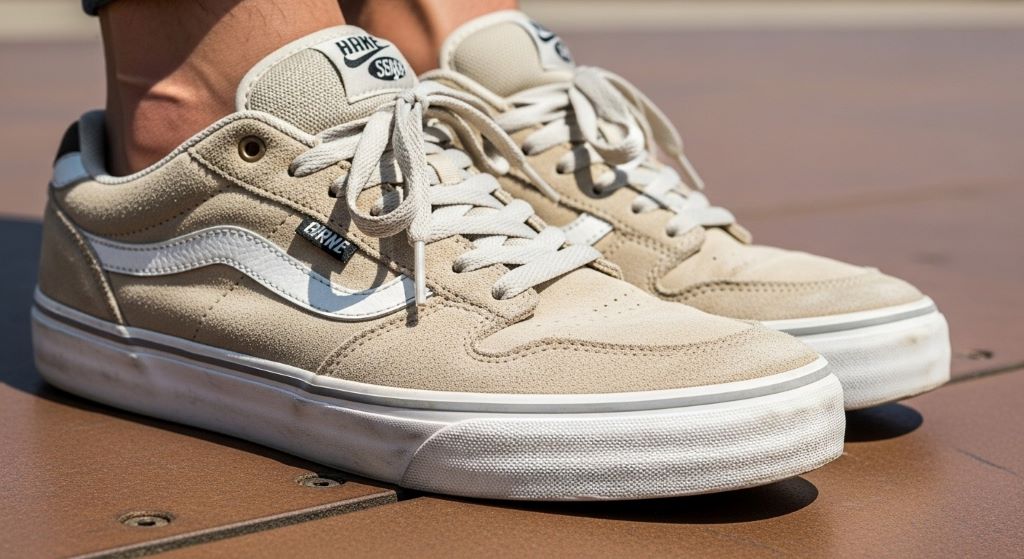
Suede skate shoes remain a popular choice among experienced skaters for good reason. This material offers excellent durability while maintaining flexibility. The natural texture provides good board feel, which matters when executing technical tricks. Moreover, suede resists tearing better than many alternatives.
Canvas might seem like a budget-friendly option initially. Nevertheless, it wears through much faster than other materials. The fabric simply cannot withstand constant grip tape friction. Most serious skaters avoid canvas for this reason.
Leather presents another viable option for durability. Full-grain leather particularly excels at resisting abrasion. It molds to your feet over time while maintaining structural integrity. However, leather shoes often cost more upfront than other options.
Synthetic materials have improved dramatically in recent years. Modern synthetics can rival traditional materials in durability. They often dry faster and require less maintenance. Additionally, they typically cost less than premium leather or suede options.
Reinforcement Features That Extend Shoe Life
Beyond base materials, specific reinforcement features significantly impact longevity. Manufacturers incorporate various technologies to strengthen high-wear areas. These additions can double or triple the lifespan of your footwear.
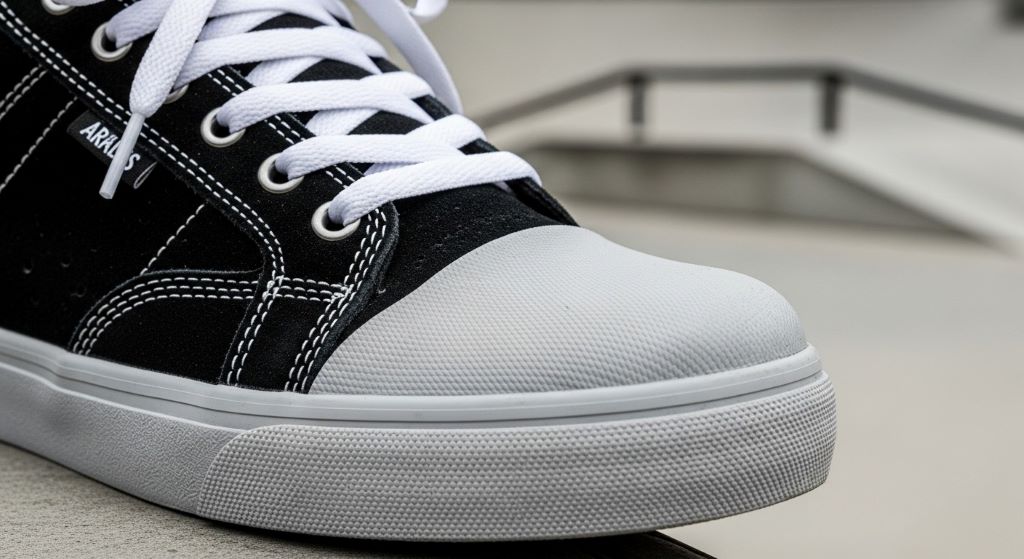
Toe cap reinforcement stands as one of the most important features. Look for shoes with extra layers of material covering the toe area. Some brands use rubber caps that provide exceptional protection. Others employ double or triple stitching in vulnerable zones.
Ollie guards protect the area where your foot flicks during tricks. These reinforcements prevent premature blowouts in critical spots. Many long-lasting skate shoes include this feature as standard equipment. The guards typically consist of durable rubber or reinforced fabric.
Sidewall reinforcements help shoes survive grinds and slides. These additions prevent the sides from tearing during rail tricks. Some manufacturers wrap rubber around the entire lower portion of shoes. This comprehensive protection extends life considerably.
Double stitching throughout the shoe improves overall durability. Quality stitching holds materials together even under extreme stress. Furthermore, reinforced stitching prevents seams from splitting prematurely. Check the stitching quality before purchasing any pair.
Sole Construction and Its Impact on Longevity
The sole plays a crucial role in both performance and durability. A well-constructed sole protects your feet while lasting through countless sessions. Conversely, cheap soles wear down quickly and offer poor board feel.
Vulcanized soles bond directly to the upper portion of shoes. This construction method creates a strong, flexible connection. The process involves heating rubber to fuse it with other materials. Vulcanized soles typically provide excellent board feel and durability.
Cup sole construction offers different advantages. These soles are pre-made and attached to uppers. They generally provide more impact protection than vulcanized options. However, they sometimes sacrifice some board feel for enhanced cushioning.
Sole thickness affects both comfort and lifespan. Thicker soles last longer but reduce board sensitivity. Thinner soles improve feel but wear through faster. Finding the right balance depends on your priorities and skating style.
Tread patterns influence grip and wear rates. Deep treads provide excellent traction but may wear unevenly. Flatter patterns often last longer with consistent wear. Consider your typical skating surfaces when evaluating tread designs.
Choosing the Right Fit for Better Durability
Proper fit directly impacts how long your shoes last. Shoes that fit poorly create unnecessary stress points and wear unevenly. Therefore, taking time to find the right size pays dividends in longevity.
Shoes that are too tight stretch materials beyond their limits. This extra tension causes premature tearing and separation. Moreover, tight shoes feel uncomfortable and can cause foot problems. Always ensure adequate room in the toe box.
Conversely, shoes that are too loose create friction inside the shoe. Your foot slides around during tricks, which accelerates wear. Loose shoes also provide less control on your board. Aim for a snug fit without excessive tightness.
Different brands fit differently even in the same size. Try on multiple brands to find which suits your foot shape best. Some companies cater to wider feet while others run narrow. Reading reviews helps identify fit characteristics before purchasing.
Breaking in new shoes properly extends their lifespan. Wear them casually for a few days before serious skating. This allows materials to soften and mold to your feet gradually. Rushing into intense sessions with stiff shoes can damage them prematurely.
Brand Reputation and Quality Indicators
Certain brands have earned reputations for producing durable footwear. These companies typically invest in research and quality materials. However, brand recognition alone should not determine your choice.
Established skateboarding brands understand the sport’s demands. They design specifically for skating rather than general athletic use. This specialized focus results in better performance and durability. Look for companies with strong skateboarding heritage.
Price often correlates with quality in skate shoes. Extremely cheap options typically use inferior materials and construction. Nevertheless, the most expensive shoes are not always the best choice. Find a reasonable middle ground that fits your budget.
Pro models receive extra attention during development. Professional skaters test these shoes extensively before release. Their feedback leads to improvements in durability and performance. Therefore, pro models often represent a brand’s best work.
Customer reviews provide valuable insights into real-world durability. Read multiple reviews to identify consistent patterns. Pay attention to comments about specific wear points and lifespan. However, remember that individual experiences vary based on skating style.
Maintenance Practices That Extend Shoe Life
Proper care significantly extends the life of any skating footwear. Simple maintenance routines prevent minor issues from becoming major problems. Additionally, good habits maximize your investment in quality shoes.
Clean your shoes regularly to prevent material degradation. Dirt and debris can accelerate wear when left to accumulate. Use a soft brush to remove loose dirt after sessions. For stubborn stains, gentle soap and water work well.
Allow shoes to dry completely between sessions. Moisture weakens materials and can cause structural problems. Never store damp shoes in enclosed spaces. Stuffing them with newspaper helps absorb moisture faster.
Rotate between multiple pairs when possible. This practice allows each pair to recover between sessions. Materials regain their shape and dry thoroughly with adequate rest. Rotation can significantly extend the life of all your shoes.
Apply protective products designed for your shoe materials. Suede protector sprays help repel water and stains. These treatments create a barrier against the elements. Reapply protection periodically for continued benefits.
Repair minor damage promptly before it worsens. Small tears can be patched with shoe glue or tape. Replacing worn laces prevents unnecessary strain on eyelets. Addressing issues early prevents complete shoe failure.
Budget Considerations and Value Assessment
Balancing cost with durability requires careful consideration. The cheapest options rarely provide good value over time. However, spending excessively does not guarantee proportional benefits.
Calculate the cost per wear rather than just the purchase price. A more expensive pair that lasts three times longer costs less per session. This perspective helps justify investing in quality footwear. Track how long different shoes last to inform future purchases.
Consider your skating frequency when budgeting. Daily skaters need more durable options than weekend riders. Frequent skating justifies spending more on quality construction. Casual skaters might find mid-range options perfectly adequate.
Sales and discounts make premium shoes more accessible. Many retailers offer seasonal promotions on quality footwear. Signing up for brand newsletters alerts you to special offers. However, ensure you are buying genuine products from authorized dealers.
Buying slightly above your budget often proves worthwhile. The incremental cost difference between mid-range and premium options is often small. That extra investment frequently results in substantially longer lifespan. Stretching your budget slightly can save money long-term.
Environmental and Ethical Considerations
Modern consumers increasingly consider sustainability when purchasing. The skating industry has responded with more environmentally conscious options. These considerations need not conflict with durability requirements.
Some brands use recycled materials in their construction. These eco-friendly options can match traditional materials in performance. Additionally, they reduce environmental impact without sacrificing quality. Look for certifications that verify sustainability claims.
Longer-lasting shoes inherently reduce waste and environmental impact. Buying fewer pairs over time benefits the planet. Therefore, prioritizing durability aligns with environmental responsibility. Quality over quantity serves both practical and ethical purposes.
Fair labor practices matter to many consumers. Research brands’ manufacturing ethics before purchasing. Companies transparent about their production processes deserve consideration. Supporting ethical manufacturers encourages better industry practices.
Repair programs offered by some brands extend product life cycles. These initiatives allow you to send damaged shoes for professional repair. The service costs less than buying new shoes while reducing waste. Check if your preferred brands offer such programs.
Making Your Final Decision
Selecting the right footwear involves weighing multiple factors simultaneously. No single pair suits every skater perfectly. However, understanding your priorities simplifies the decision process.
Identify your primary concerns before shopping. Determine whether durability, comfort, or price matters most. Knowing your priorities helps narrow options quickly. Create a mental or written checklist of must-have features.
Try on multiple options before committing to a purchase. Even if buying online, check return policies carefully. Many retailers allow returns within specified periods. Testing shoes on your board reveals issues that static fitting cannot.
Trust your instincts about comfort and quality. If something feels off during fitting, explore other options. Your feet and skating style are unique. The perfect shoe for someone else might not suit you.
Consider starting with recommendations from experienced skaters. Fellow riders with similar styles can provide valuable insights. Local skate shops employ knowledgeable staff who understand durability. Their expertise helps avoid common pitfalls.
Conclusion
Finding durable skateboarding footwear requires understanding materials, construction, and personal needs. Suede skate shoes and other quality materials resist the constant abuse of skating. However, construction quality, fit, and maintenance practices equally influence longevity. Long-lasting skate shoes represent an investment that pays off through extended use and better performance.
By considering reinforcement features, sole construction, and brand reputation, you make informed choices. Proper maintenance and care maximize the life of any pair. Additionally, balancing budget constraints with quality requirements ensures good value. Remember that the right shoes for you depend on your specific skating style and preferences.
Take time to research options and try different brands. Read reviews from other skaters and trust reputable sources. With the knowledge from this guide, you can confidently select footwear that withstands your skating demands while providing excellent performance.
Frequently Asked Questions
How long should quality skate shoes last with regular use?
Quality skate shoes typically last between one to three months with daily skating. However, this varies significantly based on skating intensity and style. Street skaters who perform many technical tricks often wear through shoes faster than those skating parks or ramps. Proper maintenance and care can extend this timeframe considerably.
Are expensive skate shoes always more durable than budget options?
Not necessarily, though price often correlates with quality materials and construction. Mid-range shoes from reputable skateboarding brands frequently offer excellent durability. The key is researching specific models rather than assuming price equals performance. Read reviews and check construction details before judging solely by cost.
Can I make my skate shoes last longer with shoe goo?
Yes, shoe goo and similar products effectively extend shoe life when applied to high-wear areas. Apply it to vulnerable spots before they tear completely through. This preventive approach works better than waiting for major damage. However, shoe goo adds stiffness, which may affect board feel temporarily.
What is better for durability, suede or leather skate shoes?
Both materials offer excellent durability, with suede generally preferred by most skaters. Suede provides a good balance of toughness, flexibility, and board feel. Leather resists water better and can be extremely durable. The choice often comes down to personal preference and specific shoe construction.
Should I buy a half size larger to account for wear?
No, buying the correct size initially provides better durability and performance. Properly fitting shoes distribute stress evenly across materials. Oversized shoes create unnecessary friction and actually wear faster. Instead, focus on quality construction and materials rather than compensating with incorrect sizing.
Related Topics:
A Perfect Skateboard for Boys and Girls: Sangde Easy Way 31” Cruiser Review
Rolling Green: New York’s Journey to Sustainable Skateboarding