Living in Florida means year-round riding weather, but it also means salt air, intense sun, and long distances between trailheads. If you’re tired of wrestling bikes into a truck bed or struggling with trunk straps that scratch your paint, a hitch rack is the upgrade you’ve been putting off. The challenge isn’t deciding whether to buy one—it’s figuring out which model won’t rust out after one summer near the coast. This guide breaks down exactly what matters when shopping for the best hitch bike rack in Florida, from corrosion resistance to real-world loading convenience.
Why Florida Conditions Change the Rack Equation
Most hitch rack reviews focus on generic features like weight capacity and tool-free installation. Those matter, but Florida adds a few wrinkles that change your priorities. The combination of high humidity, salt-laden coastal air, and intense UV exposure accelerates wear on materials that would last years in drier climates. A rack that performs fine in Colorado might show rust spots within months in Miami or Tampa.
You also need to think about how you actually ride in Florida. Many riders shuttle between trailheads, which means loading and unloading bikes frequently. Others use their racks for weekend trips to the Keys or the Panhandle, where highway speeds and bumpy rural roads test stability. The right rack handles these conditions without drama.
Corrosion Resistance Is Non-Negotiable
Salt air attacks unprotected metal quickly. Look for racks with stainless steel hardware, aluminum frames, or heavy-duty powder coating that covers every surface, including the inside of tubes. Cheaper racks often use zinc-plated bolts that corrode and seize within a season. If you plan to leave the rack on your vehicle full-time—which many Florida owners do—pay extra attention to the hinge points and locking mechanisms. These are the first places rust appears.
Another overlooked factor is how the rack attaches to your hitch. A loose fit causes wobbling, which wears down the finish and accelerates corrosion. Quality racks use anti-rattle devices or tight tolerances to keep everything snug. That’s not just a convenience feature; it protects the rack’s coating from friction damage, Regular maintenance keeps your gear running smoothly on coastal trails, so check out our guide on how often should you You Lube Your Mountain Bike Chain?
UV Resistance and Heat Exposure
Florida sun fades plastics, dries out rubber straps, and makes black metal surfaces hot enough to burn skin. Racks with rubberized cradles or plastic wheel holders should use UV-stabilized materials. Cheaper plastics become brittle and crack after a year of direct sun exposure. If you frequently park in open lots, consider a rack with a lighter color finish or one that includes a cover option.
Heat also affects how you load bikes. A rack that requires you to lift bikes high off the ground becomes miserable in August. This is where platform-style racks with low loading height and tilt-away features earn their keep. You want to minimize the time you spend wrestling with hot metal and awkward angles.
Platform Racks vs. Hanging Racks: Which Works Better?
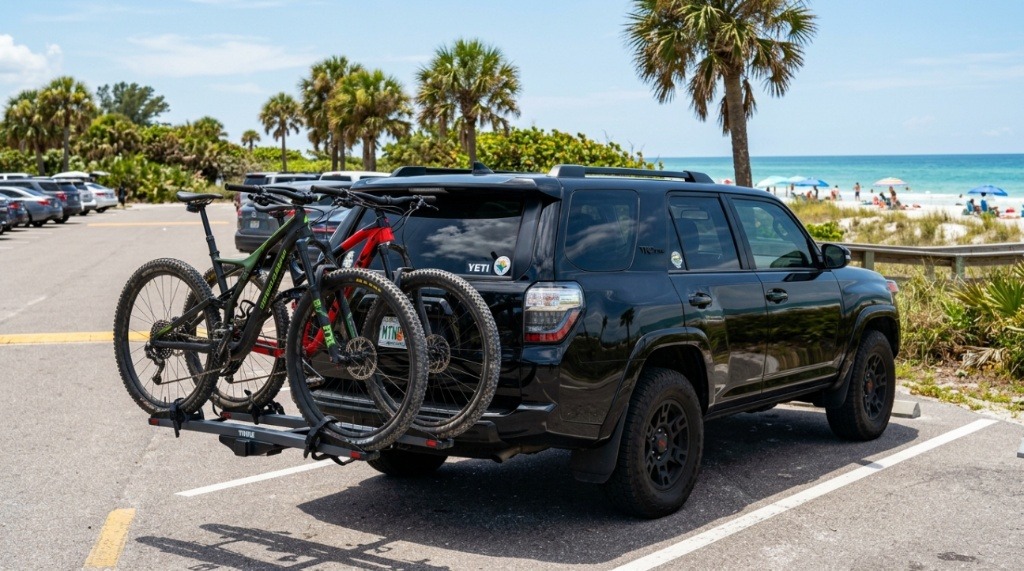
Two main categories dominate the hitch rack market: platform racks that hold bikes by their wheels and hanging racks that support bikes by the frame. Each has strengths, but Florida conditions tip the scale in one direction for most riders.
Platform racks are easier to load, keep bikes more stable at highway speeds, and work with virtually any frame style, including step-through and full-suspension bikes. They also keep bikes farther apart, which prevents handlebar and pedal contact that leads to paint scratches. The downside is price—quality platform racks cost significantly more.
Hanging racks are lighter, cheaper, and fold up more compactly when not in use. However, they require you to lift bikes higher, and the frame contact points can wear through paint on long trips. They also don’t accommodate bikes with non-standard frames well, and the bikes can sway more in crosswinds, which Florida thunderstorms love to deliver.
Weight Capacity and Bike Types
Before choosing a rack, weigh your actual bikes. Many racks advertise a 2-bike or 4-bike capacity, but the per-bike weight limit matters more. A rack rated for 120 pounds total might only support 30 pounds per bike slot. If you ride heavy e-bikes or fat-tire models, you need a rack specifically rated for that weight. E-bikes typically weigh 50–70 pounds, which eliminates most hanging racks and many budget platform racks.
Also consider tire width. Fat bikes with 4-inch tires won’t fit in standard wheel cradles. Some platform racks offer adjustable wheel chocks or come with fat-bike kits. Measure your tires before purchasing to avoid a frustrating mismatch, Regular maintenance keeps your gear running smoothly on coastal trails, so check out our guide on how often should you You Lube Your Mountain Bike Chain?
Key Features That Matter for Florida Riders
Beyond basic construction, several features make a rack dramatically more usable in Florida’s specific environment. These aren’t luxury extras; they solve real problems you’ll encounter regularly.
Tilt-Away Access to Your Trunk or Tailgate
When you park at a trailhead or beach lot, you often need to access gear in your trunk or truck bed. A rack that doesn’t tilt away forces you to unload bikes just to grab a water bottle or towel. Look for a tilt mechanism that operates easily with bikes loaded. Some racks require you to remove bikes before tilting, which defeats the purpose. Test the mechanism in the store if possible, or check video reviews that show the tilt function under load.
This feature matters even more if you have a full-size SUV or truck with a high tailgate. The rack should tilt far enough to clear the tailgate completely, not just angle slightly.
Locking Mechanisms for Theft Prevention
Florida’s busy trailheads and beach parking areas see their share of bike theft. A rack that locks to your hitch receiver prevents someone from walking off with the entire rack. Individual cable locks for each bike add another layer of protection. Some racks integrate locks into the wheel cradles, which is convenient but not always secure. For real peace of mind, pair the rack’s built-in locks with a quality cable or chain lock.
Remember that no lock is completely theft-proof. The goal is to deter casual thieves and make your setup more trouble than it’s worth compared to easier targets.
Folding Design for Storage
When the rack isn’t on your vehicle, you need somewhere to store it. Florida garages get hot and humid, which isn’t ideal for equipment. A rack that folds flat against the vehicle when not carrying bikes reduces wind resistance and keeps it out of the way. If you plan to remove the rack between trips, look for one that folds compactly and doesn’t require tools for installation or removal.
Some racks weigh 50 pounds or more. If you’re not physically up for lifting a heavy rack on and off your vehicle regularly, consider a lighter model or one that stays mounted. This is a practical consideration that many reviews overlook.
How Many Bikes Do You Really Need to Carry?
This seems like a simple question, but it’s worth thinking through carefully. Many riders buy a 4-bike rack because they occasionally ride with friends, then spend years hauling an oversized, heavy rack for trips that only involve one or two bikes. A 2-bike rack is lighter, cheaper, and easier to handle. If you regularly carry more bikes, you can add an extension or buy a larger rack when the need actually arises.
Also consider the weight of the rack itself. A 4-bike platform rack can weigh 60–70 pounds. Combined with the bikes, you’re adding significant weight to your vehicle’s rear, which affects handling and fuel economy. For most Florida riders, a quality 2-bike platform rack is the sweet spot. It handles the majority of trips without the downsides of a larger rack.
Installation and Fitment Considerations
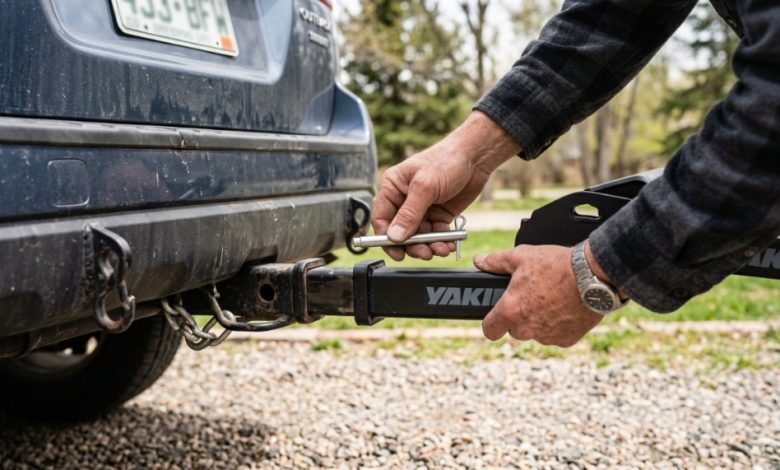
Hitch racks require a receiver hitch with sufficient tongue weight capacity. Most passenger vehicles have Class I, II, or III hitches. Class I hitches (1.25-inch receivers) support less weight and limit your rack options. Class III hitches (2-inch receivers) are more versatile and handle heavier loads. Check your vehicle’s hitch rating before shopping—this single factor eliminates many otherwise excellent racks.
If you have a 1.25-inch receiver, you can use an adapter for 2-inch racks, but this adds leverage and reduces stability. It’s better to buy a rack designed for your receiver size. Some manufacturers offer both versions of the same rack, so you don’t have to compromise on features.
Ground Clearance and Departure Angle
Florida roads are mostly flat, but that doesn’t mean you won’t encounter steep driveways, speed bumps, or unpaved access roads to trailheads. A rack that hangs low reduces your departure angle and can scrape on steep transitions. This is especially problematic for platform racks with long wheel trays. Look for a rack that sits high and close to the hitch receiver. Some models angle upward slightly to improve clearance.
If you drive a lowered vehicle or one with a long rear overhang, measure the distance from your hitch to the ground. Compare this with the rack’s ground clearance specifications. A few inches of difference can mean the difference between smooth entry and scraping on every driveway.
Budget Realities: What Should You Spend?
Hitch racks range from under $150 to over $1,500. The price difference reflects materials, weight capacity, and features. For Florida conditions, avoid the absolute cheapest options. Budget racks often use thin tubing, poor powder coating, and hardware that corrodes quickly. You’ll likely replace them within two years, making them more expensive in the long run.
A reasonable budget for a quality 2-bike platform rack is $400–$800. This range includes racks from reputable brands with good corrosion resistance, solid locking mechanisms, and tilt features. If you need a 4-bike capacity or have heavy e-bikes, expect to pay $800–$1,200 or more. These prices reflect genuine engineering and materials, not just brand markup.
Consider buying from a retailer with a good return policy. Racks are one of those products where specifications don’t tell the whole story. You need to mount it on your vehicle and load your bikes to know if it works for you. A restocking fee is worth paying to avoid being stuck with a rack that doesn’t fit your needs.
Frequently Asked Questions
Can I leave a hitch bike rack on my car in Florida year-round?
Yes, but only if the rack has excellent corrosion resistance. Look for stainless steel hardware, aluminum construction, and a powder coating that covers all surfaces. Even then, periodically inspect the rack for rust spots and reapply touch-up paint if needed. Salt air will eventually affect any rack left outside full-time.
Will a hitch rack damage my bike frames?
Platform racks that hold bikes by the wheels won’t damage frames. Hanging racks that support bikes by the top tube can wear through paint, especially on rough roads. If you use a hanging rack, add frame protection pads at the contact points. For carbon fiber frames, always use a platform rack to avoid frame stress.
What size hitch do I need for a bike rack?
Most quality platform racks require a 2-inch receiver. Some manufacturers offer versions for 1.25-inch receivers, but the selection is limited and weight capacity is lower. Check your vehicle’s hitch size and tongue weight rating before purchasing. Adapters exist but reduce stability and are not recommended for heavy loads.
How do I clean a hitch bike rack after beach trips?
Rinse the rack with fresh water after every beach trip to remove salt residue. Use a mild soap solution and a soft brush for stubborn grime. Dry the rack thoroughly before storing. Apply a silicone-based lubricant to moving parts and hinge points to prevent seizing. Avoid pressure washers, which can force water into bearings and crevices.
Are e-bikes safe on hitch racks?
Yes, but only on racks specifically rated for e-bike weights. Most standard racks have per-bike weight limits of 35–40 pounds, which is too low for most e-bikes. Look for racks rated for 50–60 pounds per bike. Also consider the total tongue weight capacity of your vehicle’s hitch, since two heavy e-bikes can exceed safe limits.
Conclusion
Choosing the best hitch bike rack in Florida comes down to matching the rack to your specific conditions: salt air, intense sun, and your actual riding habits. Prioritize corrosion resistance, ease of loading, and a tilt feature that lets you access your trunk without unloading bikes. Platform racks generally serve Florida riders better than hanging racks, especially if you ride heavier bikes or want to protect your frames from scratches.
Set a realistic budget, measure your hitch and bikes, and don’t compromise on the features that matter most for your situation. A quality rack is an investment that should last many years if you choose materials that withstand Florida’s environment. Take care of it with regular rinsing and lubrication, and it will serve you reliably through countless trips to the beach, the trailhead, and everywhere in between.