

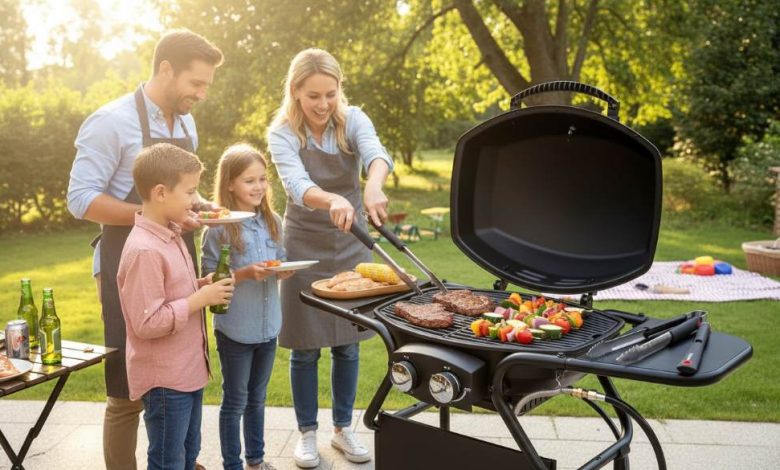
Nothing beats the smell of burgers sizzling on a hot grill as friends gather in your backyard. Home BBQ brings people together and creates lasting memories. Yet many struggle to find a grill that delivers consistent, restaurant-quality results. Gas grills lead the way for good reason.
Recent data shows over 72% of North American households own at least one gas grill. Homeowners choose them for quick startup and precise temperature control. A high-performance model turns ordinary meals into standout feasts.
For instance, check out even heat grill options. It shows what balanced cooking feels like. This guide helps you spot those standout features.
What Makes a Gas Grill High-Performance?
High-performance gas grills stand out through reliability and efficiency. They heat up fast and hold steady temperatures. Moreover, they cook food evenly without constant adjustments.
Experts agree that top models combine power with smart design. Powerful burners drive fast grilling, while strong construction lasts season after season. Additionally, thoughtful extras like side burners add versatility.
These grills handle everything from quick weeknight dinners to large weekend parties. They recover heat quickly after you lift the lid. In short, they make you a better cook with less effort.
Key Features to Look For in a Top Gas Grill
Smart buyers focus on core elements that affect daily use. Each feature plays a role in overall results. Let’s break them down step by step.
Powerful Burners for Fast Grilling
Burners form the heart of any gas grill. Powerful burners deliver high heat quickly and maintain it well. Look for models with individual controls for each burner.
Industry experts recommend 80 to 100 BTUs per square inch of cooking space. This range ensures fast preheating and strong searing. For example, a 500-square-inch grill performs best with 40,000 to 50,000 total BTUs.
Stainless steel or brass burners resist rust and last longer. Tube burners often outperform cheaper cast types. Therefore, check burner material before you buy.
Even Heat Distribution Across the Cooking Surface
Uneven heat creates hot spots and cold zones. Food burns in one area while staying raw in another. High-performance grills avoid this problem entirely.
Heat plates or flavorizer bars spread flames evenly. Some models use infrared technology for superior consistency. These systems reduce flare-ups and preserve juices.
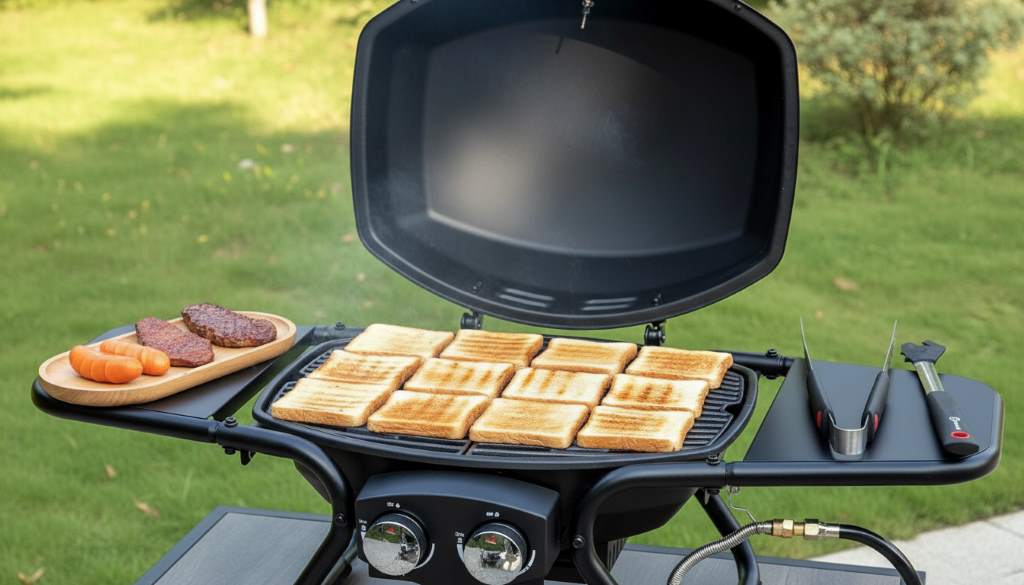
Test distribution by arranging bread slices across the grates. Turn burners to medium and watch toast patterns. Uniform browning signals excellent design.
Durable Materials and Solid Construction
Quality materials separate great grills from average ones. Choose 304-grade stainless steel for frames and lids. It resists weather and stays shiny for years.
Cast iron or stainless cooking grates hold heat well and create perfect sear marks. Porcelain coating prevents sticking and simplifies cleanup. Avoid thin metal that warps over time.
Heavy-duty wheels and stable legs matter too. A solid grill stays put during windy days. Check welds and joints for clean finishes.
Adequate Cooking Space and Layout
Match grill size to your typical gatherings. A family of four does fine with 400 to 500 square inches of primary space. Larger groups need 600 square inches or more.
Warming racks add useful secondary area. Side burners expand options for sauces or vegetables. Fold-down shelves save space when not in use.
Consider grate shape and spacing. Wider bars work better for fish and vegetables. Reversible grates offer flat or ridged surfaces.
Precise Temperature Control
Good knobs provide fine adjustments from low to high. Electronic ignition starts burners reliably every time. Some models include built-in thermometers for accuracy.
Multiple burners create distinct heat zones. This setup allows direct searing and indirect roasting on the same grill. Practice different configurations to master techniques.
LED lighting helps with evening cooks. Smoker boxes add wood flavor without extra equipment.
Easy Cleaning and Maintenance
Grease management systems channel drippings away from flames. Removable trays catch debris for quick disposal. Many modern grates go straight into the dishwasher.
Ash cleanup rarely applies to gas models. Still, occasional deep cleaning keeps performance sharp. Choose designs with accessible burner areas.
Related:
Jamaican Appetizer Recipes from Home Kitchens
Five cabinet styles for small kitchens
How to Test a Gas Grill Before Buying
Hands-on testing reveals true quality. Visit stores and try these checks.
Start all burners and time preheating to 500 degrees. Top models reach temperature in 10 to 15 minutes. Then close the lid and monitor recovery after opening.
Place your hand 6 inches above grates. Feel for consistent warmth across the surface. Move from front to back and side to side.
Lift the lid and check hinge quality. Smooth operation prevents accidents. Test shelf stability with moderate weight.
Read recent owner reviews for long-term insights. Look for patterns in comments about heat consistency and durability.
Common Mistakes to Avoid When Shopping
Buyers often chase total BTU numbers alone. High totals mean little without proper distribution. Focus on BTUs per square inch instead.
Skipping material checks leads to early rust. Thin steel fails quickly in wet climates. Always examine construction details.
Overlooking assembly requirements causes frustration. Some models need hours of setup. Check reviews for experiences.
Forgetting storage space wastes money. Measure your patio or garage first. Compact models serve small areas well.
Ignoring safety features risks problems. Look for stable bases and cool-touch handles.
Additional Features That Elevate Performance
Rotisserie kits create restaurant-style chicken. Built-in smokers add wood flavor easily. Smart connectivity lets you monitor from your phone.
Infrared searing burners reach extreme temperatures. They lock in juices perfectly. Side burners handle complete meals outdoors.
Integrated lighting extends cooking into evenings. Tool hooks keep utensils handy. Bottle openers add fun touches.
Maintaining Your High-Performance Grill
Regular care extends life and performance. Clean grates after each use while warm. Brush away food particles easily then.
Deep clean monthly during peak season. Remove grates and scrub heat plates. Empty grease trays to prevent fires.
Cover your grill when not in use. Quality covers protect from rain and debris. Store propane tanks safely outside.
Check connections yearly for leaks. Apply soapy water and watch for bubbles. Replace worn parts promptly.
Conclusion
Finding a high-performance gas grill transforms your backyard cooking. Focus on powerful burners, even heat distribution, and solid construction. These elements deliver fast grilling and consistent results every time.
Test models thoroughly and read owner feedback. Avoid common pitfalls like chasing raw BTU numbers alone. Your perfect grill waits to create countless memorable meals.
Take action today. Apply these tips on your next shopping trip. Fire up exceptional BBQs for years to come.
FAQs
What BTU range works best for home gas grills?
Aim for 80 to 100 BTUs per square inch of cooking area. This provides strong heat without waste. Total output depends on grill size.
How important is even heat distribution?
Even heat prevents burned spots and undercooked areas. It makes cooking easier and results more predictable. Top grills use special plates or infrared systems.
Which materials last longest on gas grills?
304 stainless steel resists rust best. Cast iron grates hold heat well. Avoid painted or thin metals that degrade quickly.
Do I need multiple burners?
Multiple burners create cooking zones. They allow direct and indirect heat simultaneously. Three or four burners suit most home needs.
How do I test heat consistency?
Use the bread test or an infrared thermometer. Look for uniform temperatures across the entire surface. Consistent results signal quality design.
References
- Hearth, Patio & Barbecue Association industry insights: https://hpba.org/
- Serious Eats gas grill testing and reviews: https://www.seriouseats.com/best-gas-grills-5186603
- Wirecutter recommendations for gas grills: https://www.nytimes.com/wirecutter/reviews/best-gas-grill
- Char-Broil guide to heat distribution: https://www.charbroil.co.uk/support/uneven-heat-distribution

