Jamaican cuisine brings bold flavors and vibrant colors to every table. The island’s appetizers showcase this culinary richness through simple yet delicious preparations. Home cooks across Jamaica have perfected these recipes over generations. Now you can recreate these authentic flavors in your own kitchen.
These appetizers blend African, Indian, Chinese, and European influences. This cultural fusion creates unique taste combinations found nowhere else. Additionally, most recipes use everyday ingredients available at regular grocery stores. Therefore, you don’t need specialty items to start your Jamaican cooking journey.
Understanding Jamaican Flavor Profiles
Jamaican cooking relies on specific seasonings and techniques. Scotch bonnet peppers provide signature heat and fruity notes. Allspice, called pimento in Jamaica, adds warmth and depth to dishes. Fresh thyme, scallions, and garlic form the aromatic foundation of most recipes.
The island’s cooking style emphasizes marination and slow development of flavors. However, many appetizers come together quickly while still delivering authentic taste. This balance makes Jamaican recipes perfect for home cooks with busy schedules.
According to The New York Times, Jamaican cuisine has gained international recognition for its bold, complex flavors and cultural significance. These appetizers offer an accessible entry point into this celebrated culinary tradition.
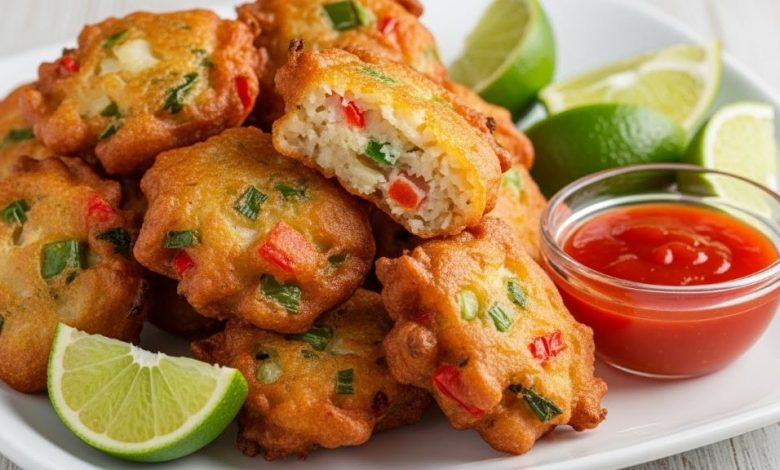
Saltfish Fritters (Stamp and Go)
The Story Behind the Name
Stamp and Go represents one of Jamaica’s most beloved street foods. Vendors traditionally sold these crispy fritters to workers who would stamp their feet impatiently while waiting. Once served, customers would grab them and go about their day. This quick service gave the dish its memorable name.
The recipe transforms salted cod into golden, fluffy fritters. Salt cod was historically important in Jamaica as a preserved protein. Today, it remains a staple ingredient that connects modern cooking to culinary heritage.
Making Perfect Saltfish Fritters
Start by soaking salted cod overnight in cold water. Change the water several times to remove excess salt. This step ensures your fritters won’t taste overly salty. Once soaked, boil the fish briefly until tender, then flake it into small pieces.
Combine flour, baking powder, and seasonings in a large bowl. Add the flaked saltfish along with diced onions, scallions, tomatoes, and scotch bonnet pepper. The vegetables should be chopped finely for even distribution. Mix everything together, then add water gradually until you achieve a thick batter consistency.
Heat oil in a deep skillet or pot to 350 degrees Fahrenheit. Drop spoonfuls of batter into the hot oil, being careful not to overcrowd the pan. Fry until golden brown on all sides, approximately three to four minutes per batch. Drain on paper towels and serve immediately while still hot and crispy.
The exterior should be crunchy while the interior remains soft and flavorful. These fritters taste delicious on their own or with hot pepper sauce for dipping. Additionally, they pair wonderfully with a squeeze of fresh lime juice.
Jamaican Beef Patties
A National Treasure
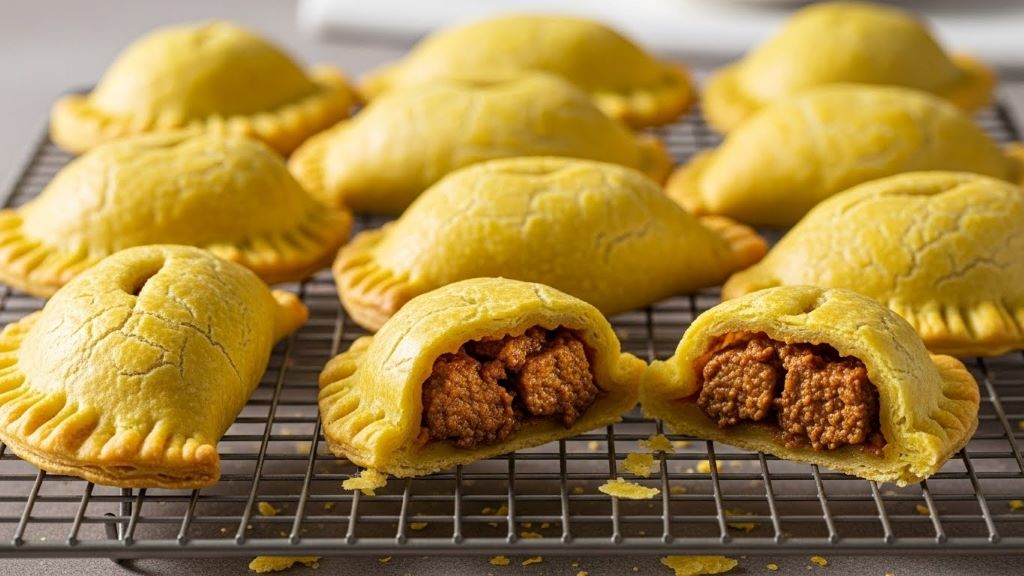
Jamaican beef patties hold iconic status in Caribbean cuisine. The flaky, golden pastry encases a spicy beef filling that delivers satisfaction in every bite. While bakeries sell them commercially, homemade versions offer superior flavor and texture.
The distinctive yellow color comes from turmeric added to the pastry dough. This spice also contributes subtle earthy notes that complement the savory filling. Furthermore, the layered pastry technique creates that signature flaky texture everyone loves.
Creating Authentic Patty Pastry
Make the pastry by combining flour, turmeric, salt, and cold butter. Cut the butter into small pieces and work it into the flour until the mixture resembles coarse crumbs. This technique creates layers that become flaky when baked. Add ice water slowly, mixing just until the dough comes together.
Divide the dough into portions and refrigerate for at least thirty minutes. This rest period allows the gluten to relax and makes rolling easier. Meanwhile, prepare the filling by browning ground beef with onions, scallions, and garlic. Add curry powder, thyme, allspice, and scotch bonnet pepper for authentic flavor.
Thicken the filling with breadcrumbs and allow it to cool completely. Roll out each dough portion into circles, place filling on one half, and fold over to create half-moons. Seal edges with a fork, brush with egg wash, and bake until golden brown. The result is a handheld appetizer that disappears quickly at any gathering.
Ackee and Saltfish Bites
Jamaica’s National Dish in Appetizer Form
Ackee and saltfish serves as Jamaica’s national dish, typically eaten for breakfast. However, creative home cooks have transformed this classic into bite-sized appetizers. These miniature versions deliver the same beloved flavors in party-friendly portions.
Ackee is a unique fruit that tastes remarkably similar to scrambled eggs when cooked. Canned ackee works perfectly well and is available at Caribbean markets or online. Therefore, you don’t need access to fresh ackee to make this recipe successfully.
Preparing Ackee Bites
Sauté onions, tomatoes, and sweet peppers until softened. Add flaked saltfish that has been properly soaked and boiled. Gently fold in drained ackee, being careful not to mash it. Season with black pepper and fresh thyme.
Spoon this mixture into phyllo cups or small pastry shells. Alternatively, serve it on crispy plantain chips or crackers for a simpler presentation. The key involves gentle handling to preserve the ackee’s delicate texture and appearance.
These bites offer guests an introduction to Jamaica’s most famous dish. They spark conversation and provide a memorable tasting experience. Additionally, they demonstrate how traditional recipes can adapt to modern entertaining needs.
Jerk Chicken Wings
The Magic of Jerk Seasoning
Jerk seasoning represents Jamaica’s most internationally recognized flavor profile. The complex spice blend combines heat, sweetness, and aromatic depth. Traditional jerk cooking uses pimento wood smoke, but home ovens can still produce delicious results.
Authentic jerk seasoning includes scotch bonnet peppers, allspice, thyme, garlic, ginger, and scallions. Many recipes add cinnamon, nutmeg, and brown sugar for additional complexity. This combination creates layers of flavor that develop as the meat marinates.
Making Jerk Wings at Home
Create your jerk marinade by blending scotch bonnet peppers, scallions, garlic, ginger, thyme, allspice, and soy sauce. Add brown sugar, lime juice, and vegetable oil to create a thick paste. This marinade should be powerfully flavored since you want those spices to penetrate the meat.
Coat chicken wings thoroughly in the marinade and refrigerate for at least four hours. Overnight marination produces even better results as flavors have more time to develop. When ready to cook, arrange wings on a baking sheet and roast at high temperature until crispy and caramelized.
According to CNN, jerk seasoning has become a global phenomenon, with chefs worldwide incorporating these flavors into their cooking. However, homemade versions remain the most authentic and adjustable to personal heat preferences.
The finished wings should have charred edges and sticky, flavorful coating. Serve them hot with cooling cucumber slices or a simple cabbage slaw. These wings disappear quickly at parties and game-day gatherings.
Festival (Sweet Fried Dumplings)
A Sweet and Savory Combination
Festival dumplings offer a slightly sweet contrast to spicy Jamaican dishes. These golden fried treats feature a crispy exterior and soft, cake-like interior. The name festival supposedly comes from their popularity at celebrations and special occasions.
Unlike many dumplings, festival includes cornmeal and sugar in the dough. This combination creates unique texture and subtle sweetness. Additionally, the dough comes together quickly without requiring special techniques or equipment.
Frying Perfect Festival
Mix flour, cornmeal, sugar, baking powder, and salt in a bowl. Add vanilla extract and water gradually, kneading until you form a smooth dough. The dough should feel slightly sticky but manageable. Let it rest for fifteen minutes before shaping.
Divide the dough into portions and roll each into a long, cigar-shaped cylinder. Some cooks prefer shorter, fatter shapes while others make them longer and thinner. Either shape works perfectly well as long as the dough is evenly formed.
Heat oil to 350 degrees Fahrenheit and fry the dumplings until golden brown all over. They will puff slightly and develop a beautiful caramelized color. Drain on paper towels and serve warm alongside spicy dishes or as standalone snacks.
Festival pairs exceptionally well with jerk chicken or spicy saltfish fritters. The subtle sweetness helps balance intense heat while adding textural variety. Therefore, including festival in your appetizer spread creates a well-rounded flavor experience.
Plantain Chips with Scotch Bonnet Dip
Utilizing Jamaica’s Favorite Fruit
Plantains appear in countless Jamaican recipes, both sweet and savory. Green plantains make excellent chips that rival any store-bought version. These crispy slices provide the perfect vehicle for bold Jamaican dips and spreads.
Making plantain chips at home ensures freshness and allows control over thickness and seasonings. Additionally, homemade chips avoid the excessive salt and preservatives found in commercial products. The process is straightforward and requires minimal ingredients.
Creating Crispy Chips and Spicy Dip
Peel green plantains and slice them very thinly using a mandoline or sharp knife. Consistent thickness ensures even cooking and uniform crispiness. Soak the slices in salted water for fifteen minutes to remove excess starch.
Pat the plantain slices completely dry before frying. Heat oil to 350 degrees Fahrenheit and fry in small batches until golden and crispy. The chips will continue crisping as they cool, so remove them slightly before they reach desired color. Season immediately with salt while still hot.
For the dip, blend scotch bonnet peppers with garlic, lime juice, vinegar, and a touch of sugar. Add mayonnaise or sour cream to create a creamy consistency. This cooling base balances the pepper’s heat while allowing the flavor to shine. Adjust spiciness by using more or fewer peppers according to your preference.
Callaloo Patties
Celebrating Jamaica’s Leafy Green
Callaloo refers to the leafy greens used throughout Caribbean cooking. These nutrient-rich leaves taste similar to spinach but with earthier notes. Vegetarian patties filled with seasoned callaloo offer a delicious alternative to meat versions.
This recipe demonstrates Jamaica’s inclusive culinary approach. While meat dishes dominate many menus, vegetable preparations hold equal importance. Furthermore, callaloo patties accommodate various dietary preferences without sacrificing flavor.
Preparing Vegetarian Patties
Use the same pastry recipe as beef patties for consistency. The turmeric-spiced dough works beautifully with the green filling. For the callaloo filling, sauté onions, garlic, and tomatoes until softened. Add chopped callaloo or spinach and cook until wilted.
Season generously with thyme, black pepper, and a small amount of scotch bonnet pepper. Add coconut milk for richness and creaminess. The filling should be thick enough to hold together without being dry. Allow it to cool completely before assembling the patties.
Fill, seal, and bake the patties following the same method as beef versions. The vibrant green filling creates visual interest and delivers satisfying flavor. These patties prove that vegetarian options can be just as exciting and delicious as their meat counterparts.
Tips for Authentic Jamaican Cooking
Sourcing Ingredients
Most Jamaican recipes use readily available ingredients. However, a few specialty items enhance authenticity. Scotch bonnet peppers provide unique fruity heat that standard hot peppers cannot replicate. Look for them at Caribbean markets, international grocery stores, or online retailers.
Allspice berries offer more complex flavor than pre-ground versions. Grind them fresh using a spice grinder or mortar and pestle. This extra step elevates your dishes significantly. Additionally, fresh thyme makes a noticeable difference compared to dried versions.
Adjusting Heat Levels
Jamaican food can be quite spicy for those unaccustomed to heat. However, you can easily adjust recipes to suit your tolerance. Start with small amounts of scotch bonnet pepper and add more gradually. Remember that removing seeds and membranes reduces heat while preserving flavor.
Serving cooling accompaniments also helps balance spiciness. Cucumber slices, cabbage slaw, or yogurt-based dips provide relief between bites. Therefore, even heat-sensitive guests can enjoy Jamaican flavors comfortably.
Making Ahead and Storing
Many Jamaican appetizers benefit from advance preparation. Saltfish fritter batter can rest in the refrigerator for several hours before frying. Patty dough and filling can be made a day ahead and assembled when needed. Jerk marinade actually improves with time as flavors meld together.
Fried items like festival and plantain chips store well in airtight containers for several days. Reheat them briefly in the oven to restore crispiness. This flexibility makes Jamaican appetizers ideal for party planning and stress-free entertaining.
Conclusion
Jamaican appetizer recipes bring island flavor to home kitchens worldwide. These dishes showcase the cultural diversity and culinary creativity that define Caribbean cooking. From crispy saltfish fritters to spicy jerk wings, each recipe tells a story of tradition and innovation.
The beauty of these appetizers lies in their accessibility and adaptability. Most use simple ingredients and straightforward techniques that any home cook can master. However, they deliver complex flavors that impress guests and satisfy cravings for bold, exciting food.
Starting with these recipes opens the door to broader Jamaican culinary exploration. The fundamental seasonings and techniques apply across countless dishes. Therefore, mastering these appetizers builds a foundation for continued cooking adventures.
Remember that authentic cooking comes from understanding flavors rather than following rules rigidly. Adjust recipes to your taste preferences while respecting the essential character of each dish. Most importantly, enjoy the process of creating and sharing these wonderful foods with family and friends.
Frequently Asked Questions
Can I make Jamaican appetizers without scotch bonnet peppers?
Yes, you can substitute habanero peppers or other hot peppers for scotch bonnet. However, scotch bonnets provide unique fruity flavor alongside heat. If unavailable, use habaneros and add a small amount of mango or papaya to approximate that fruity quality. Alternatively, reduce heat entirely by using milder peppers or hot sauce to taste.
What is the best oil for frying Jamaican appetizers?
Vegetable oil, canola oil, or peanut oil work well for frying Jamaican foods. These oils have high smoke points and neutral flavors that won’t interfere with seasonings. Coconut oil adds authentic Caribbean flavor but costs more and has a lower smoke point. Choose based on your budget and desired flavor profile.
Can I bake instead of fry these recipes?
Many fried Jamaican appetizers can be baked with good results. Patties bake beautifully and actually taste more authentic when baked rather than fried. Chicken wings also work well in the oven. However, items like saltfish fritters and festival lose their characteristic texture when baked. These are best enjoyed fried for authentic results.
Where can I buy ackee if I want to try ackee bites?
Canned ackee is available at Caribbean grocery stores, international food markets, and online retailers like Amazon. The canned version works perfectly well for recipes and maintains good texture. Fresh ackee is harder to find outside Jamaica and requires careful preparation since unripe ackee is toxic. Stick with reputable canned brands for safety and convenience.
How spicy are authentic Jamaican appetizers?
Authentic Jamaican food ranges from mildly seasoned to extremely spicy. Traditional recipes often include significant heat from scotch bonnet peppers. However, home cooks can easily adjust spice levels to personal preference. Start with less pepper than recipes call for and gradually increase as you become comfortable with the heat. The goal is flavorful food you enjoy eating.
Related Topics:
KitchenAid Attachment Review: Is the KSMFGA Grinder Worth the Investment?