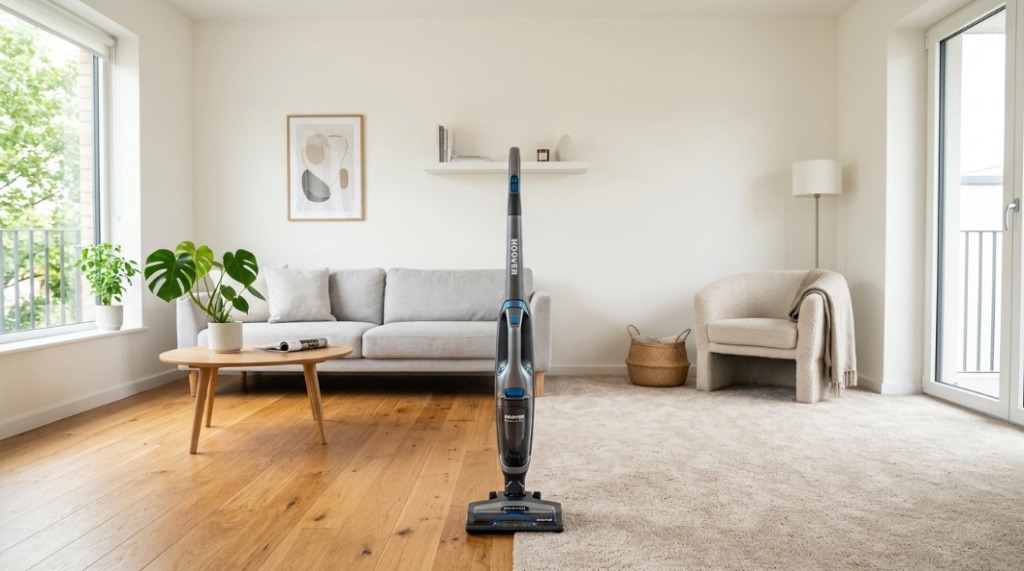
A vacuum purchase is one of the few household decisions where spending more can sometimes clean less. The secret is not buying the most expensive machine—it is choosing the right carpet vacuum cleaner and deep cleaning vacuum for your flooring type, home layout, and cleaning habits. If you are wondering how to buy a Hoover Vacuum That Matches Your Floors and Budget, the answer starts with identifying your floor surfaces first, then matching suction power, filtration, brush roll design, and maintenance costs to your budget. A well-chosen Hoover vacuum can remove embedded dirt, improve indoor air quality, and save money by preventing premature carpet wear.
Many shoppers buy a vacuum based on discounts, online ratings, or marketing claims. The result is often disappointing performance, heavy handling, clogged filters, or poor cleaning on specific floor types. Carpets trap dust, pet dander, allergens, and debris deep within fibers. Hard floors require a different cleaning approach to avoid scattering dust. Choosing the wrong model can leave dirt behind even after multiple passes. This guide explains exactly how to evaluate Hoover vacuum models, compare features, and select the best option for your flooring and spending limit.
What Should You Consider Before Buying a Hoover Vacuum?
The most important factors are floor type, home size, pets, filtration needs, weight, and budget.
Before comparing vacuum models, identify where the vacuum will be used most often. Homes with thick carpeting require stronger agitation and suction. Apartments with hardwood floors benefit from lightweight machines with gentle brush-roll control. Large homes may need longer cords or a cordless runtime.
Understanding filtration is equally important. Modern vacuum systems help capture airborne particles instead of redistributing them into the room. If indoor air quality matters to your household, learning how filtration systems affect cleanliness can help you make a smarter decision. This guide on vacuum filtration and air-quality performance explains why filter quality influences overall cleaning effectiveness.
- Flooring type
- Presence of pets
- Allergy concerns
- Cleaning frequency
- Vacuum weight
- Storage space
- Maintenance costs
- Corded vs cordless preference
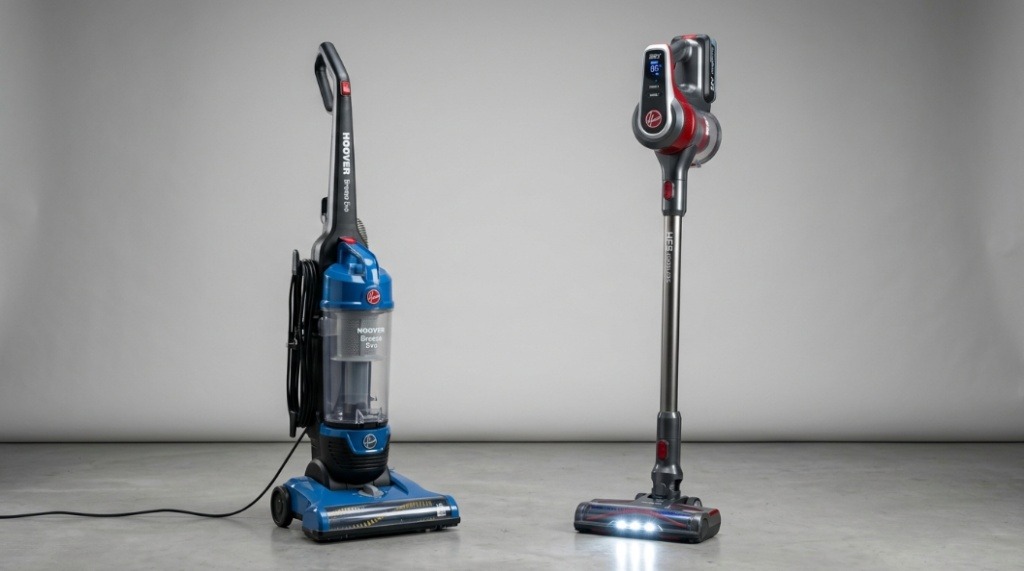
Which Hoover Vacuum Type Works Best for Different Floors?
Different Hoover vacuum categories are designed for different floor surfaces and cleaning requirements.
| Vacuum Type | Best For | Advantages | Potential Drawbacks |
|---|---|---|---|
| Upright Vacuum | Carpeted homes | Strong suction, wide cleaning path | Heavier weight |
| Canister Vacuum | Mixed flooring | Flexible cleaning, easier maneuverability | Requires dragging canister |
| Stick Vacuum | Quick daily cleaning | Lightweight and compact | Smaller dust capacity |
| Cordless Vacuum | Apartments and convenience | No cord restrictions | Limited battery runtime |
| Carpet Cleaner | Deep stain removal | Washes carpet fibers | Not designed for everyday vacuuming |
Hoover manufactures models across all major categories. The right choice depends on whether your home primarily contains carpet, hardwood, tile, laminate, or a combination of surfaces.
How Do You Choose a Hoover Vacuum for Carpets?
For carpets, prioritize strong suction, motorized brush rolls, height adjustment, and deep-cleaning capability.
Carpet fibers hold dust and debris below the surface. A standard vacuum may remove visible dirt while leaving embedded particles untouched. A quality carpet vacuum cleaner should combine powerful airflow with brush agitation that lifts dirt from deep within carpet layers.
Look for:
- Adjustable brush roll settings
- Multi-height carpet adjustment
- High suction performance
- Large dust collection capacity
- HEPA or advanced filtration systems
- Pet hair removal tools
Hoover upright models are particularly popular for wall-to-wall carpeting because they provide wide cleaning paths and efficient debris extraction.
If you want expert comparisons before making a purchase, this detailed Hoover vacuum model review guide provides insights into top-performing options for different cleaning needs.
Can a Hoover Vacuum Remove Deeply Embedded Dirt?
Yes. Models designed as a deep cleaning vacuum use powerful suction and specialized brush systems to loosen and remove deeply embedded debris from carpet fibers.
Independent carpet maintenance studies consistently show that regular deep extraction helps preserve carpet appearance and extend carpet lifespan.
What Is the Best Hoover Vacuum for Hardwood Floors?
The best Hoover vacuum for hardwood floors provides strong suction without aggressive brush-roll contact.
Hardwood surfaces require dust removal rather than aggressive agitation. Excessive brush rotation can scatter debris or potentially affect delicate finishes.
Ideal features include:
- Brush roll shutoff
- Soft floor attachments
- Rubber wheels
- Lightweight maneuverability
- Edge-cleaning capability
Homeowners with mixed flooring often benefit from versatile machines that transition easily between carpet and hard surfaces. If automation is also part of your cleaning strategy, understanding what features matter when evaluating robotic vacuums can help you create a more complete home-cleaning setup.
Should You Turn Off the Brush Roll on Hardwood Floors?
Yes. Disabling the brush roll prevents debris scattering and helps protect delicate flooring finishes while maintaining strong suction performance.
How Much Should You Spend on a Hoover Vacuum?
Most buyers can find an effective Hoover vacuum between $100 and $300, depending on floor type and feature requirements.
| Budget Range | Expected Features |
|---|---|
| Under $100 | Basic suction, limited accessories |
| $100–$200 | Improved filtration, better tools, stronger performance |
| $200–$300 | Advanced cleaning systems, larger capacity, pet tools |
| $300+ | Premium features, enhanced filtration, specialized cleaning technology |
A higher price does not always mean better performance for your specific home. Focus on matching features to actual cleaning needs rather than purchasing unnecessary upgrades.
Are Bagless Hoover Vacuums Better Than Bagged Models?
Bagless models offer lower ongoing costs, while bagged vacuums often provide cleaner dust disposal.
Most modern Hoover vacuums use bagless technology. Transparent dust bins make it easy to monitor debris levels and reduce recurring expenses.
Benefits of bagless vacuums:
- No replacement bags
- Easy debris monitoring
- Lower operating costs
- Convenient maintenance
Benefits of bagged systems:
- Cleaner disposal process
- Reduced allergen exposure
- Less dust release during emptying
For most households, modern Hoover bagless models provide excellent value and convenience.
What Features Matter Most for Pet Owners?
Pet owners should prioritize suction power, hair-removal tools, filtration quality, and tangle-resistant brush systems.
Pet hair creates unique cleaning challenges. Hair wraps around brush rolls, accumulates in corners, and becomes embedded in upholstery and carpet fibers.
Important features include:
- Motorized pet attachments
- Anti-tangle brush technology
- HEPA filtration
- High-capacity dust bins
- Upholstery cleaning tools
- Crevice tools for corners
Households with multiple pets typically benefit from stronger upright vacuum models capable of handling heavy shedding.
Can Hoover Vacuums Handle Long Pet Hair?
Yes. Many Hoover designs include specialized brush systems and pet tools specifically engineered for removing long hair from carpets, furniture, and hard floors.
Why Is Filtration Important When Buying a Hoover Vacuum?
Good filtration captures microscopic particles and improves overall indoor cleanliness.
Vacuum cleaners remove visible debris, but fine particles such as pollen, dust mites, and pet dander require effective filtration systems.
Look for:
- HEPA filtration
- Sealed airflow systems
- Washable filters
- Multi-stage filtration technology
People with allergies or respiratory sensitivities often notice substantial improvements when upgrading from basic filtration systems to advanced sealed filtration designs.
Should You Choose Corded or Cordless Hoover Vacuums?
Choose corded models for maximum power and cordless models for convenience and mobility.
Each option serves different cleaning priorities.
| Feature | Corded | Cordless |
|---|---|---|
| Runtime | Unlimited | Battery dependent |
| Suction Consistency | Excellent | Varies by battery level |
| Mobility | Moderate | Excellent |
| Weight | Usually heavier | Usually lighter |
| Large Home Suitability | Excellent | Moderate |
For larger homes with extensive carpeting, corded models remain the preferred choice. For apartments and quick maintenance cleaning, cordless models offer exceptional convenience.
How Can You Compare Hoover Models Effectively?
Compare cleaning performance, filtration, floor compatibility, maintenance requirements, accessories, and warranty coverage.
Use a checklist before purchasing:
- Compatible with flooring type
- Suitable weight and maneuverability
- Appropriate dust capacity
- Desired filtration level
- Necessary cleaning attachments
- Reasonable maintenance costs
- Positive long-term reliability reviews
Reading real customer experiences can reveal strengths and weaknesses not visible in specification sheets.
What Mistakes Should You Avoid When Buying a Hoover Vacuum?
The biggest mistake is choosing based solely on price instead of cleaning requirements.
Common buying mistakes include:
- Ignoring floor type compatibility
- Overlooking filtration quality
- Buying excessive features
- Selecting heavy models without testing maneuverability
- Ignoring maintenance requirements
- Focusing only on promotional discounts
- Choosing insufficient dust capacity for large homes
A vacuum should match your cleaning environment, not just your budget target.
Conclusion: How Do You Find the Right Hoover Vacuum?
The best Hoover vacuum is the one that matches your flooring, cleaning habits, home size, and budget. Carpet-heavy homes generally benefit from upright models with strong suction and advanced brush systems. Mixed-floor households often prefer versatile vacuums with brush-roll control. Pet owners should prioritize filtration and specialized hair-removal tools, while allergy-sensitive households benefit from sealed HEPA filtration systems.
Rather than chasing the highest-priced model, focus on practical performance characteristics that solve your specific cleaning challenges. For additional buying insights and model comparisons, reviewing professional Hoover vacuum evaluations alongside detailed cleaning technology resources can help narrow your options and maximize value. By applying the recommendations in this guide, you can confidently choose a Hoover vacuum that delivers efficient cleaning, protects your floors, and stays within your budget.
Frequently Asked Questions
Which Hoover vacuum is best for thick carpets?
Upright Hoover vacuums with adjustable height settings, motorized brush rolls, and strong suction are generally best for thick carpeting because they remove embedded debris more effectively.
How often should I replace Hoover vacuum filters?
Most washable filters should be cleaned monthly and replaced according to manufacturer recommendations, typically every 6–12 months depending on usage.
Are Hoover vacuums good for pet hair?
Yes. Many Hoover models include pet-specific attachments, powerful suction systems, and filtration technologies designed to capture pet hair and dander.
Can one Hoover vacuum clean both carpets and hardwood floors?
Yes. Many modern Hoover vacuums feature adjustable brush-roll settings that allow smooth transitions between carpet and hard floor surfaces.
What is the difference between a carpet vacuum cleaner and a deep cleaning vacuum?
A carpet vacuum cleaner removes dry debris through suction and brush agitation, while a deep cleaning vacuum or carpet cleaner uses water and cleaning solutions to wash carpet fibers.
Is cordless or corded better for large homes?
Corded models are typically better for large homes because they provide unlimited runtime and consistent suction throughout extended cleaning sessions.
How long does a Hoover vacuum typically last?
With proper maintenance, many Hoover vacuums can provide reliable service for five to ten years, depending on usage frequency and model quality.