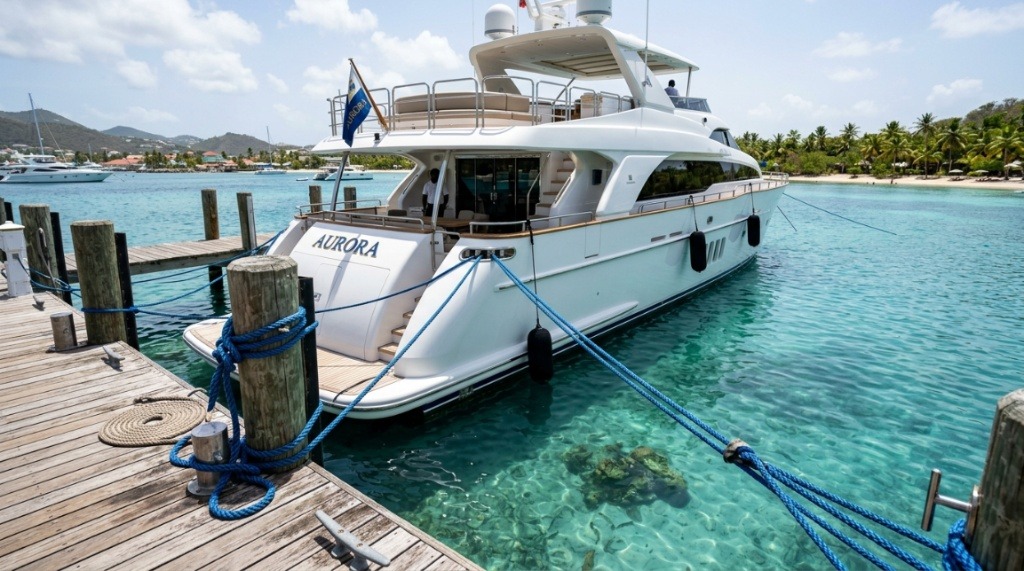
If you keep your boat in a saltwater environment, your dock lines take a beating that freshwater boaters rarely think about. Sun, salt, wind, and constant motion work together to break down rope faster than you might expect. Choosing the wrong line means replacing it every season—or worse, finding your boat drifting down the channel after a line snaps. The good news is that picking the best dock lines for saltwater comes down to understanding a few key material properties, construction styles, and sizing rules. This guide walks you through exactly what to look for, what to avoid, and how to match the line to your boat and docking situation
What Makes a Dock Line Suitable for Saltwater?
Saltwater is chemically aggressive. It accelerates UV damage, promotes mildew growth, and causes some synthetic fibers to lose strength faster than others. A dock line built for saltwater needs three core qualities: UV resistance, abrasion resistance, and the ability to shed saltwater without holding it deep in the fibers.
Nylon is the standard choice for dock lines because it stretches under load, which absorbs shock from waves and wakes. But not all nylon is the same. The way the line is constructed—three-strand twisted, double-braid, or eight-strand plaited—affects how it handles salt, sun, and chafe. You also need to consider the line’s breaking strength relative to your boat’s weight and the dock conditions you deal with daily.
Why Nylon Dominates Saltwater Dock Lines
Nylon’s elasticity is its superpower. When a wake rolls through the marina, a nylon line stretches and recovers, softening the jerk on your cleats and your boat’s hardware. Polyester and polypropylene lines are stiffer and don’t absorb shock as well. For permanent or semi-permanent docking in saltwater, nylon’s shock absorption makes it the safest and most practical choice.
That said, nylon absorbs water and loses about 10–15 percent of its strength when wet. This is normal and accounted for in most manufacturers’ breaking strength ratings. The key is to buy a line rated well above your boat’s actual needs so the wet-strength reduction never becomes a safety issue.
Key Factors to Consider When Choosing Dock Lines
Before you buy, think about your specific docking setup. A boat kept on a canal with heavy current faces different demands than one tied to a floating dock in a protected harbor. The best dock lines for saltwater in one situation may be overkill or insufficient in another.
Line Construction and Its Impact on Performance
Three-strand twisted nylon is the classic choice. It’s easy to inspect, splices well, and offers good stretch. It also has a rough surface that can chafe against dock edges and cleats over time. Double-braid nylon has a smooth outer cover over a braided core, giving it better abrasion resistance and a softer feel. It’s more expensive but lasts longer in harsh conditions. Eight-strand plaited nylon offers a good balance of stretch, strength, and handling, though it’s less common in dock lines than in anchor rode.
For saltwater, double-braid is often the best all-around option because the outer cover protects the load-bearing core from UV and abrasion. However, three-strand remains popular because it’s easier to splice and inspect for internal damage.
Diameter and Breaking Strength
Dock line diameter directly correlates with breaking strength. A general rule is to use a line with a breaking strength at least equal to the weight of your boat. Many experienced boaters prefer a safety factor of 2:1 or higher, especially in areas with strong tides or frequent storms.
For a 20-foot boat, 3/8-inch nylon is usually sufficient. A 30-foot boat typically needs 1/2-inch line. A 40-foot boat often steps up to 5/8-inch. These are starting points, not absolute rules. If your dock sits in an exposed area with heavy wave action, go up one size.
How Many Dock Lines Do You Actually Need?
Most boats need at least four dock lines: two bow lines, two stern lines. If you dock in a slip, you’ll also want spring lines—one forward spring and one aft spring—to prevent the boat from moving forward and backward along the dock. That brings the total to six lines for a typical slip setup.
Spring lines are often overlooked by new boaters, but they’re critical in saltwater marinas where tides and currents shift constantly. A forward spring line runs from the bow cleat back to a midship cleat on the dock. An aft spring line runs from the stern cleat forward to a midship cleat. These lines keep the boat centered in the slip and reduce strain on bow and stern lines.
UV and Abrasion Protection: The Hidden Threats
Saltwater itself is corrosive, but the sun is often the bigger enemy. UV rays degrade nylon over time, causing the outer fibers to become brittle and fuzzy. This is called “chalking” or “fuzzing.” When you see a white, powdery residue on your dock lines, that’s UV damage breaking down the material.
Abrasion is the second major threat. Lines rub against dock edges, pilings, cleats, and even other lines. In saltwater, sand and salt crystals get embedded in the line’s surface, turning it into a slow-cutting abrasive against itself. Using chafe guards—tubular nylon sleeves or rubber hose sections—at contact points dramatically extends line life, Before heading out on the water to test your boat’s rigging, make sure you capture every moment of your aquatic adventures. Buy a Durable Camera for Surf and Snorkel to record all your marine trips in crystal-clear quality!
How to Extend the Life of Your Saltwater Dock Lines
Rinse your dock lines with fresh water periodically. This removes salt crystals and sand that accelerate wear. Let them dry completely before storing them, especially if you take them off seasonally. Coil them loosely rather than tightly to avoid creating permanent kinks. Inspect lines monthly for broken strands, hard spots, or unusual stiffness.
Rotate your lines occasionally so the same section isn’t always rubbing against the same chafe point. If you notice a line feeling stiff or crunchy, that’s a sign of internal fiber breakdown. Replace it before it fails under load.
Comparing Dock Line Materials for Saltwater Use
| Material | Stretch | UV Resistance | Abrasion Resistance | Saltwater Suitability |
|---|---|---|---|---|
| Nylon (3-strand) | High | Moderate | Moderate | Good with chafe guards |
| Nylon (double-braid) | High | Good | Good | Excellent |
| Polyester | Low | Excellent | Excellent | Good, but stiff |
| Polypropylene | Low | Poor | Poor | Not recommended |
| Dyneema (UHMwPE) | Very low | Excellent | Excellent | Overkill for dock lines |
Polyester is sometimes used for dock lines in saltwater because it resists UV better than nylon. However, its lack of stretch makes it less forgiving when waves or wakes hit the boat. For most recreational boats, nylon remains the better choice. If you’re looking for a specific product recommendation that balances performance and durability, checking a guide to the best dock lines for saltwater can help you narrow down options based on real-world testing and local conditions.
Common Mistakes When Buying Dock Lines for Saltwater
One of the most common mistakes is buying lines that are too short. A dock line should be at least one and a half times the length of your boat for bow and stern lines. Spring lines should be roughly the length of your boat. Short lines put excessive strain on cleats and reduce the line’s ability to stretch and absorb shock.
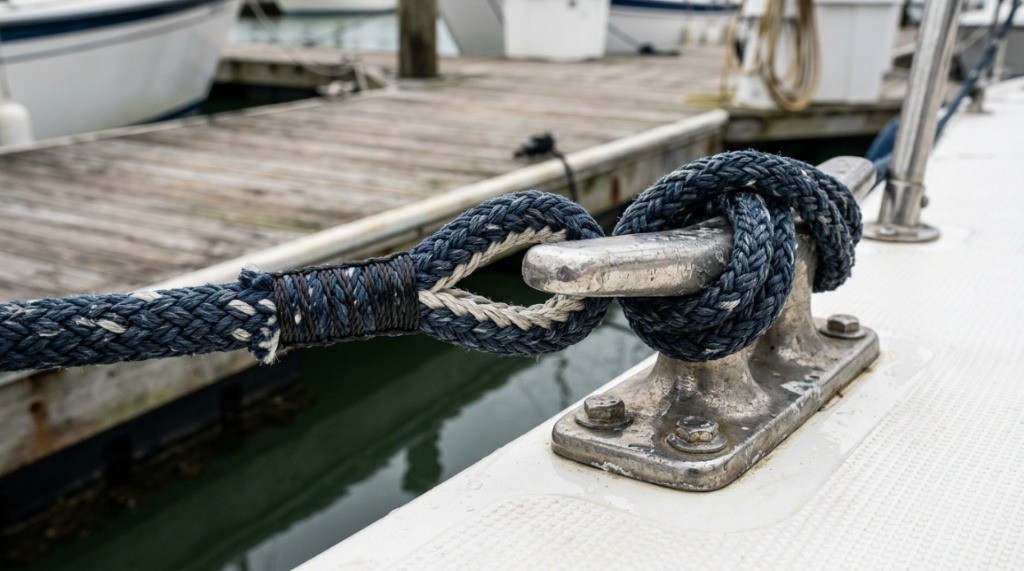
Another mistake is ignoring the cleat size on your boat. A 1/2-inch line won’t fit properly on a small cleat designed for 3/8-inch line. Conversely, using a thin line on a large cleat can cause it to slip or chafe against the edges. Match the line diameter to your cleat size for a secure fit.
Finally, don’t buy cheap lines from discount stores without checking the material. Many budget lines are made from polypropylene, which floats but degrades quickly in sunlight and offers almost no shock absorption. They may look fine initially, but they’ll fail within a season in saltwater.
How to Inspect and Maintain Your Dock Lines
Regular inspection is the best way to prevent a dock line failure. Run your hands along the entire length of each line, feeling for soft spots, hard spots, or areas where the diameter seems inconsistent. Look for broken strands, especially near splices and chafe points. Check the splices themselves for looseness or pulled fibers.
If a line has been subjected to a sudden heavy load—like a storm surge or a boat hitting the dock hard—replace it even if it looks fine. Internal damage may not be visible from the outside. When in doubt, replace the line. Dock lines are relatively inexpensive compared to the cost of hull damage or a lost boat.
Frequently Asked Questions
How long do dock lines last in saltwater?
With proper care, nylon dock lines typically last 3 to 5 years in saltwater. Lines exposed to constant sunlight or heavy abrasion may need replacement every 1 to 2 years. Regular rinsing and using chafe guards extends their lifespan significantly.
Can I use the same dock lines for freshwater and saltwater?
Yes, nylon dock lines work well in both environments. However, saltwater accelerates UV and abrasion damage, so lines used in saltwater will wear out faster. You should inspect them more frequently and replace them sooner than you would in freshwater.
What size dock line do I need for a 25-foot boat?
A 25-foot boat typically needs 1/2-inch diameter nylon dock lines. This size provides adequate breaking strength for boats in that range while remaining easy to handle and tie. If your dock is exposed to heavy wave action, consider stepping up to 5/8-inch.
Should I use rope or braided dock lines?
Both work well, but braided lines (double-braid) generally offer better abrasion resistance and a smoother surface that’s easier on your hands and cleats. Three-strand twisted lines are easier to splice and inspect but may chafe more against rough dock surfaces.
Do dock lines need chafe guards in saltwater?
Yes, chafe guards are highly recommended in saltwater. Salt crystals embedded in the line act as an abrasive, accelerating wear at contact points. Tubular nylon chafe guards or rubber hose sections placed over the line where it touches dock edges, pilings, or cleats will significantly extend line life.
Conclusion
Choosing the best dock lines for saltwater isn’t complicated once you understand the basics. Stick with nylon for its shock absorption, prefer double-braid construction for added durability, and size your lines based on your boat’s length and local conditions. Invest in chafe guards, rinse your lines regularly, and inspect them monthly for signs of wear. These simple practices will keep your boat secure and your lines reliable for years. Remember that dock lines are safety equipment, not just accessories—when in doubt, replace them. A few dollars spent on a quality line is far cheaper than repairing hull damage or retrieving a drifting boat.