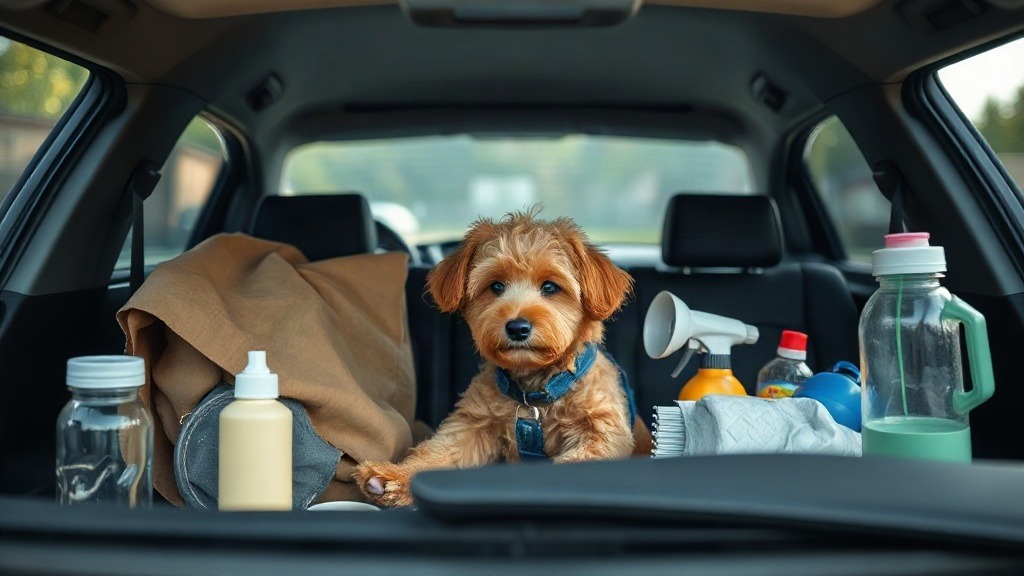
A parked car can reach dangerous temperatures within minutes, so every second counts when you find a child or pet locked inside on a warm day. You do not need special equipment or training to act, but you do need a clear order of steps and the confidence to follow them. This list covers the fastest path from spotting the problem to getting the person or animal out safely. Readers looking for broader vehicle safety tips and guides will find the same priorities echoed here: act early, act deliberately, and never wait for someone else to take charge.
Quick answer: Call emergency services first, note the time, and try to open the car without damage. If the child or pet is distressed, break the window farthest from them, unlock the door, and move them to shade or air conditioning. Stay with them until help arrives and cool them gradually rather than with ice.
Our picks at a glance
The steps below are ranked by urgency, not by difficulty. If a child or pet is locked in a car on a mild day and seems calm, you still start at the top of the list. Heat buildup inside a closed vehicle happens faster than most people expect, and visible distress is a late signal that harm may already be underway.
Ranking priorities: a quick comparison of the first moves
The table below shows how the opening steps differ depending on what you observe. Notice that the first action — calling for help — stays the same in every case.
| Situation | First move | Second move |
|---|---|---|
| Child or pet alert and moving | Call emergency services, try doors | Break glass only if needed to reach them |
| Child or pet limp, silent, or panting hard | Call emergency services and state the condition | Break glass immediately, remove them |
| Car parked in shade, mild outside air | Call, assess, try to locate the owner | Break glass if you cannot reach them in minutes |
| Owner arrives while you act | Let them unlock, brief them on symptoms | Hand over to emergency responders |
The pattern is clear: communication with responders comes before physical intervention whenever both are possible, because dispatchers can coach you and send help in parallel.
Why calling first earns the top spot
A dispatcher can log the location, advise on immediate first aid, and coordinate with police or animal control. You also create a record of the time you acted. That matters if the situation turns into a dispute or an insurance claim later.
Why time awareness matters so much
Note the time on your phone before you start. If you cannot open the vehicle quickly, that timestamp tells responders how long the child or pet was enclosed. Enclosure time drives the urgency of the medical response for a child.
Why staying put beats chasing witnesses
People often want to find the owner or a store employee. Doing that pulls you away from the vehicle and delays intervention. Send someone else if you must, or call the store yourself while you stay with the car.
A child or pet left alone in a hot car gets worse by the minute. Do not leave them unattended to search for the owner.
What to have in your own car
Preparation costs little and removes hesitation later. Keep these in your glovebox or center console:
- A window punch or spring-loaded center punch
- A sealed bottle of water
- A reflective sunshade
- A small first aid kit
- A note with emergency numbers
These items help whether the child or pet locked in the car is yours or a stranger’s.
How the rest of the list is organized
Items 1 through 6 cover the immediate response, in the order you would use them. Items 7 and 8 cover what can go wrong when well-meaning people skip a step. Each item explains the reasoning so you can adapt when the scene differs from the typical case.
The list: 8 steps to take when a child or pet is locked in a hot car
1. Call emergency services and describe the scene
Dial the local emergency number and give three facts fast: the address, the type of vehicle, and the apparent condition of the child or pet. Mentioning “child or pet locked in a car” directly tells the dispatcher what resources to send. Do not hang up until they release you.
2. Check whether any door or window opens
Walk the car and pull every handle, including the rear doors and the hatch. Some cars unlock all doors when one is opened, and a window left slightly down may allow you to reach a lock. This takes seconds and avoids damage.
3. Assess the child or pet for distress
Look for panting, drooling, glassy eyes, limp posture, or no response to your voice. For pets, heavy panting and weakness are red flags. These signs mean the enclosure needs to end now, not after the owner appears.
4. Break a window away from the person or animal
Choose a side or rear window, never the windshield. Strike a corner with a window punch or a hard metal tool, and cover your hand and the glass. If you need technique and safety details, this car window breaking guide covers tool choices and shard control. Keep glass away from the child or pet.
5. Unlock the door and open it fully
Once the glass is gone, reach for the interior handle and open the door. Full opening releases trapped heat quickly. Avoid reaching through broken glass without gloves if you have them.
6. Move the child or pet to shade or air conditioning
Carry them to a shaded spot or into a cool building, even if the outside air feels mild. Do not submerge them in cold water. For a pet, offer water in small amounts and wet their ears and paws.
7. Keep cooling steady and stay put with them
Remove extra clothing or a carrier cover, fan them gently, and monitor breathing. Wait for responders rather than driving yourself with a child or pet in a fragile state. Your steady presence also keeps them calm.
8. Give responders a clear timeline
Tell them the time you found them, what you observed, and what you did. This helps the medical team make decisions. If the owner or their family arrives, share the same facts calmly.
How to choose the right option when the situation is unclear
The hardest moment is the one where you are not sure whether to break the window. Several factors shift the decision, and none require you to wait for perfect information. Use the heuristics below to act with confidence.
Owner present versus owner absent
If the owner is nearby and clearly moving toward the car, let them unlock it first, but stay engaged. If no owner is visible and the child or pet is distressed, break the glass. A damaged window is a repair bill; a delayed rescue can be permanent harm.
Mild weather versus direct sun
An outside temperature around 70°F can still push the interior of a closed car much higher. Direct sun on a dark interior accelerates this. Treat a sunlit car as hotter than the weather app suggests.
Child versus pet in the same car
A child can often be roused and guided, while a pet may panic and scratch. For a pet, approach from a side window, keep your face back from the opening, and let a responder handle the extraction if the animal is aggressive.
Hot car versus cold car risk
Below-freezing conditions create a different but serious risk. If a child or pet is locked in cold weather, the same core steps apply: call, try doors, break glass if needed, and warm them gradually. Never use direct heat sources on skin.
Many areas shield people who break into a vehicle to rescue a child or pet, usually only after calling emergency services first. Verify the rules where you live, and still call first.
When to involve store staff or security
In mall or store parking lots, a quick call to store security can bring an announcement over the speaker system faster than a search. Ask them to page the owner while you stay at the car.
FAQ
How long can a child or pet survive in a hot car?
The margin is narrow. Interior temperatures can rise dangerously within 10 to 20 minutes, and a young child’s body heats faster than an adult’s. There is no safe waiting period — act immediately.
Am I allowed to break the window to save a child or pet?
Many jurisdictions protect rescuers who call emergency services first and act reasonably. Rules vary by location, so call first and follow the dispatcher’s guidance to stay within the law.
Should I use cold water or ice on an overheated pet?
No. Use cool — not ice-cold — water on the ears, paws, and belly, and offer small sips. Rapid deep cooling can cause problems, so let a veterinarian or responder check the animal.
What if the owner returns and is angry?
Stay calm, hand over the situation, and explain that you called for help. Do not get into an argument. The responders can document what happened once they arrive.
Does cracking a window make a car safe?
No. Cracking windows does little to lower interior temperature and does not make leaving a child or pet alone acceptable for any length of time.
Conclusion
The sequence for a child or pet locked in a hot car is simple: call, try the doors, assess, break glass if distress is evident, extract, and cool gradually. Most of these steps take seconds, and none require permission you can only get later. The name of the game is speed with control.
Make the preparation part of your routine this week. Put a window punch and water in your car, save your local emergency number, and know in advance that you will call first and act second. Then check your own habits at the door: it takes only one busy moment to break them.