Secure Foundations In Education

Extensive research has discovered that by ensuring the highest quality of early educational teaching within specifically designed institutions, it definitely establishes the foundations for later academic success and greater achievements.  The foundations for great Teaching and Learning have to be solid, the young minds of the vulnerable children have to be nurtured and cared for by highly qualified and experienced Teachers, with their trusted Classroom Assistants who can support and encourage those getting left behind and the Special Education Staff, (SEN) who are trained in supporting these inquisitive and Special Children learning within mainstream schools.  However, it’s not just the teaching that’s SO important, within any Educational Facility there has to be the space and the resources to provide that Learning.  This is where an experienced, professional, well-established, Education Architect such as https://www.quattrodesign.co.uk/sectors/school-education-architects comes in, designing outstanding buildings that are practical, flexible, functional and innovative for all the school sectors including, Early Years, Nursery Schools, Primary and Secondary, Special Needs (SEN), Further and Higher Education, including Colleges and Universities, as well as the Independent School sector.  Being at the forefront of Education Architectural Design and Thinking for many years also gives this Team of consummate professionals the opportunity to continue to make a positive difference to the lives of countless youngsters with their clever designs and forward thinking.  Understanding the crucial and integral role School Architecture can play in shaping the lives of future generations, they are continuing to design classrooms fit for the future.

How School Education Has Evolved

School design has been synonymous with rigidity for decades. The rigidity of school design, with its rows of identical classrooms and harsh lighting, along with the long, narrow corridors, created an environment that resembled more a prison than a place to nurture young minds. This comparison is not entirely accidental. It may be more myth than fact that many schools have been designed by the architects who also built prisons. However, the principles behind their design are strikingly the same. The emphasis was on efficiency and control, which were equally relevant for early educational institutions as they were to prisons.

These large architectural firms that are often in charge of designing schools, libraries and hospitals, as well as prisons, used similar principles for all these building types. The designs were based on managing large groups, keeping them in order and minimising disruption. It was a monolithic structure that was often drab, without warmth or inspiration. Like prisons, it organised people’s activities and stripped them of their individuality.

But the modern world is different. Our understanding of childhood, adolescence and youth has also changed. Society now views children as unique individuals with their own needs and learning styles. For an Education Architect, visit https://www.quattrodesign.co.uk/sectors/school-education-architects/

Spaces that encourage creativity, exploration, and a holistic approach to learning are replacing the rigid designs of old. Current architecture in the education categories reflect this shift, with innovative designs that redefine the way we think about the learning environment. 


Study Tips to Ace Your Exams: Conquering Sophomore Math

Sophomore year. The honeymoon phase of high school is officially over. You’re no longer the wide-eyed freshman, but the road ahead still stretches long. And when it comes to math, things are likely kicking up a notch. Whether you’re grappling with geometry proofs, diving into the depths of algebra, or tackling trigonometry, ace your exams requires a solid game plan. Along the way, you’ll come across other subjects where you’ll need helpful tools, like alliteration examples for students in English class, to keep everything from getting overwhelming.

What is Your Philosophy of Early Childhood Education? Exploring Ideas, Concepts, and Approaches

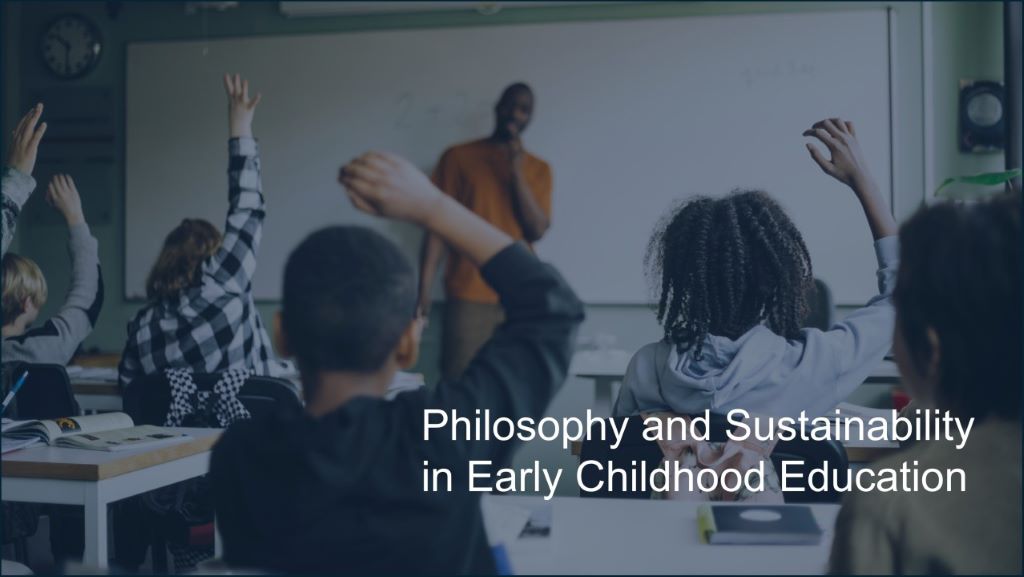
When you think about early childhood education, what comes to mind? Maybe you picture colorful classrooms, children engaged in playful learning, and dedicated teachers guiding young minds. But there’s so much more to it! Early childhood education isn’t just about teaching kids how to read and write; it’s about laying a strong foundation for their future learning, social skills, and overall development. In this article, we’ll dive into various philosophies of early childhood education, share statistics, explore different viewpoints, and make the topic easy to understand for everyone, including 6th graders.

Why Play Matters More Than Ever in Early Childhood Education: A 21st Century Imperative

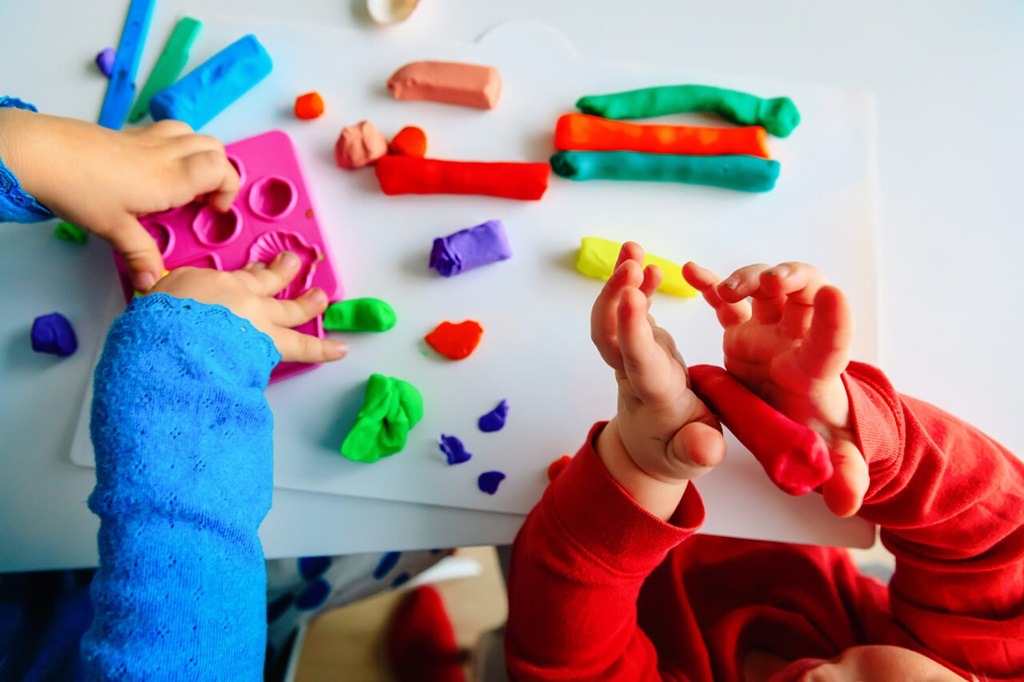
In a world increasingly dominated by screens and structured activities, the simple act of play may seem like a frivolous luxury. However, for young children, play is not merely a pastime; it is an essential cornerstone of development, learning, and well-being. In fact, the significance of play in early childhood education has never been more critical than it is today.

Working in a mainstream school with a child with additional needs and challenging behaviours.

Working with a child who has additional needs and challenging behaviours in a mainstream school can be incredibly rewarding but also challenging.  The child desperately wants to feel included and accepted amongst their peers and it’s part of your responsibilities as their support worker to help them achieve that goal. They are expected to cope with a full-size classroom of thirty children and the work will be of a higher level than if they were attending a Special Educational facility.

The Quiz programme Mastermind and today’s Specialist subject of Nutrient Management Planning.

The popular British television Quiz programme Mastermind, featured a big, black, ominous looking leather chair that all the contestants had to sit in while answering all their tricky questions on General Knowledge and their specialist subjects.  Clive Myrie, the creator of the show drew his inspiration for the staging, from when he was a prisoner of the Gestapo during the Second World War. Where the main lights are dimmed and the one bright spotlight shines directly at each individual contestant while they sit in the chair and are sternly interrogated by the host.