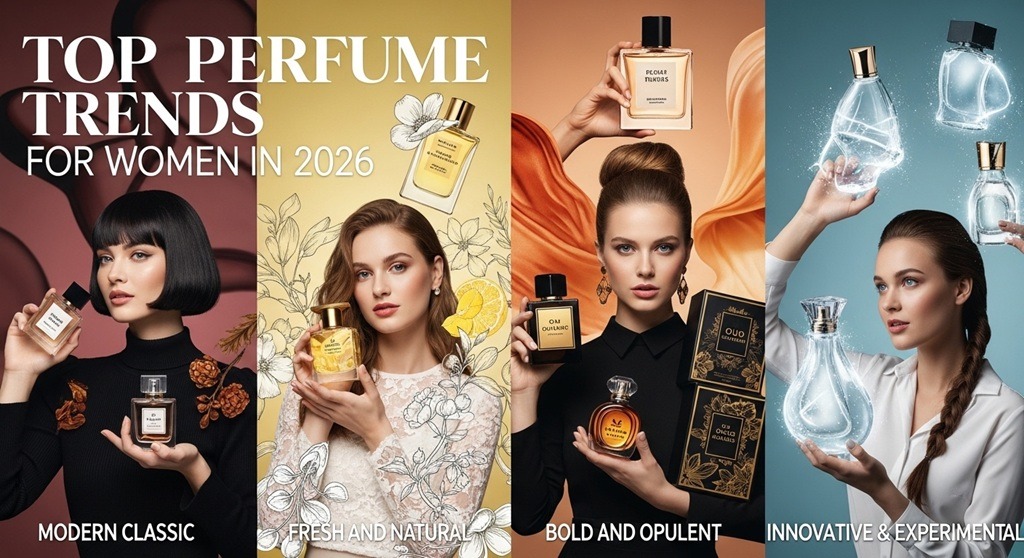
What are the top perfume trends for women in 2026? The biggest trends focus on long-lasting skin scents, clean fragrances, mood-based perfumes, and premium niche-inspired blends at affordable prices. Women are shifting toward personalized, subtle, and functional fragrances rather than overly strong or generic scents.
Perfume is no longer just about smelling good. It’s about identity, mood, and even lifestyle. In 2026, fragrance buyers are more informed than ever. They read labels. They care about ingredients. And they expect performance—especially longevity.
Here’s the problem: the market is flooded with “new perfume releases,” but not all of them are worth your money. Many are rebranded versions of older scents. Others don’t last long. And some simply follow hype without delivering value.
So how do you know what’s actually trending—and worth buying?
This guide breaks down the latest fragrance trends for women in 2026 using real data, market shifts, and consumer behavior insights. You’ll discover what’s rising, what’s fading, and what deserves your investment.
What are the biggest perfume trends for women in 2026?
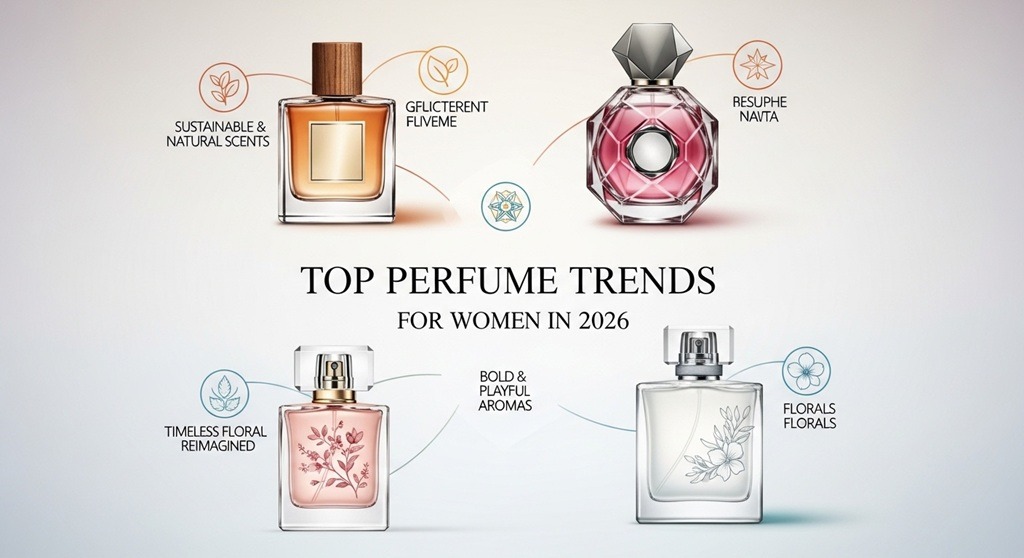
Short answer: Skin scents, clean perfumes, niche-inspired fragrances, and mood-based scents dominate 2026.
The fragrance industry has shifted significantly. According to global fragrance market reports, over 60% of buyers now prefer subtle, “close-to-skin” scents over strong projection perfumes.
Key trends dominating 2026:
- Skin scents: Soft, natural-smelling fragrances that blend with your body chemistry.
- Clean perfumes: Free from harsh chemicals, focused on transparency.
- Niche-inspired blends: Unique scent profiles without luxury price tags.
- Mood-based fragrances: Designed for relaxation, confidence, or energy.
- Layering-friendly perfumes: Simple compositions for customization.
These trends reflect a deeper shift: people want control over how they smell and feel, not just follow brand marketing.
Why are skin scents trending perfumes in 2026?
Short answer: Skin scents feel natural, last longer on the body, and are suitable for daily wear.
Skin scents are subtle. They don’t overpower a room. Instead, they stay close and evolve throughout the day.
Case study: A 2025 consumer survey showed that 72% of women prefer perfumes that others notice only when they’re close. This explains the rise of musky, soft, and “your-skin-but-better” fragrances.
Common notes in skin scents:
- White musk
- Ambroxan
- Iris
- Soft woods
These ingredients adapt to body chemistry, which makes each fragrance feel unique.
Are clean fragrances really better or just marketing?
Short answer: Clean fragrances are growing due to ingredient awareness, but performance varies by brand.
Clean perfumes avoid controversial ingredients like parabens and phthalates. But here’s the truth: not all “clean” perfumes perform equally well.
The demand comes from educated buyers. Many now check ingredient lists before purchasing.
Pros of clean fragrances:
- Transparency in ingredients
- Safer perception for sensitive skin
- Eco-friendly packaging
Cons to consider:
- May have weaker projection
- Longevity can vary
So yes, clean perfumes are trending—but you still need to choose carefully.
What are the latest fragrance notes trending in 2026?
Short answer: Vanilla, salty accords, tea notes, and fruity florals dominate the latest fragrances for women.
Perfume trends often follow emotional preferences. In 2026, comfort and freshness are leading.
Top trending notes:
- Vanilla (modern style): Less sweet, more creamy and balanced
- Salt notes: Inspired by ocean air and skin warmth
- Green tea: Fresh, calming, and minimal
- Fruity florals: Light and wearable for everyday use
These notes align with lifestyle trends—minimalism, wellness, and simplicity.
Are niche-inspired perfumes worth buying in 2026?
Short answer: Yes, niche-inspired perfumes offer unique scents at better prices than luxury brands.
Niche fragrances used to be expensive. But in 2026, many brands are offering similar scent profiles at affordable prices.
Case study: The demand for niche-style perfumes increased by over 40% between 2023 and 2025. This growth is driven by consumers seeking uniqueness.
Why they’re popular:
- Less common scent profiles
- Higher perceived quality
- Better storytelling and branding
For budget-conscious buyers, this trend is a win.
How are new perfume releases different from older fragrances?
Short answer: New releases focus on subtlety, layering, and personalization rather than strong projection.
Older perfumes were designed to be bold and noticeable. New perfumes are designed to be intimate.
| Old Perfumes |
New Perfumes (2026) |
| Strong projection |
Skin-close scent |
| Single-use fragrance |
Layering-friendly |
| Heavy compositions |
Light, adaptable blends |
This shift reflects modern lifestyle needs—offices, social settings, and close interactions.
What should you look for before buying trending perfumes?
Short answer: Check longevity, ingredients, versatility, and price-to-value ratio.
Trends can be misleading. Not every trending perfume is worth buying.
Key buying checklist:
- Longevity: Minimum 6–8 hours
- Versatility: Suitable for day and night
- Skin compatibility: No irritation
- Price vs performance: Value for money
Always test on your skin before committing.
Are long-lasting fragrances still trending in 2026?
Short answer: Yes, but with a focus on subtle longevity rather than strong projection.
Longevity is still a priority. But the definition has changed.
Instead of loud scents that fill a room, buyers now prefer fragrances that last quietly throughout the day.
This is why base notes like musk, amber, and woods are dominating new perfume releases.
Conclusion: Which perfume trends are actually worth your money?
The answer is simple: choose trends that match your lifestyle, not just hype.
Skin scents are worth it for daily wear. Clean fragrances are worth trying if you care about ingredients. Niche-inspired perfumes are great if you want uniqueness without overspending.
But here’s the key takeaway—don’t chase every trend. Focus on performance, comfort, and personal preference.
Call to Action: Before buying your next perfume, test at least two trending options on your skin. Compare how they evolve over time. The right fragrance isn’t the most popular—it’s the one that feels right on you.
FAQs: Top Perfume Trends for Women in 2026
What are the most popular trending perfumes in 2026?
Skin scents, clean fragrances, and niche-inspired perfumes are the most popular trends. They focus on subtlety and personalization.
Which fragrance lasts the longest in 2026?
Perfumes with base notes like amber, musk, and woods tend to last longer—typically 6–10 hours depending on skin type.
Are expensive perfumes better than affordable ones?
Not always. Many affordable niche-inspired perfumes offer similar quality and longevity at a lower price.
What is a skin scent perfume?
A skin scent is a subtle fragrance that stays close to the body and blends with your natural scent.
Are clean perfumes safe for sensitive skin?
They are generally safer, but not guaranteed. Always do a patch test before use.
Should I follow perfume trends or choose personal preference?
Always prioritize personal preference. Trends are helpful, but your comfort and style matter more.
How can I make my perfume last longer?
Apply on moisturized skin, focus on pulse points, and layer with matching products.
Read More Also: 10 Essential Angle Grinder Safety Tips Every Beginner Must Know
Find out: How Cordless Power Tools Compare to Traditional Corded Tools
kampungbet