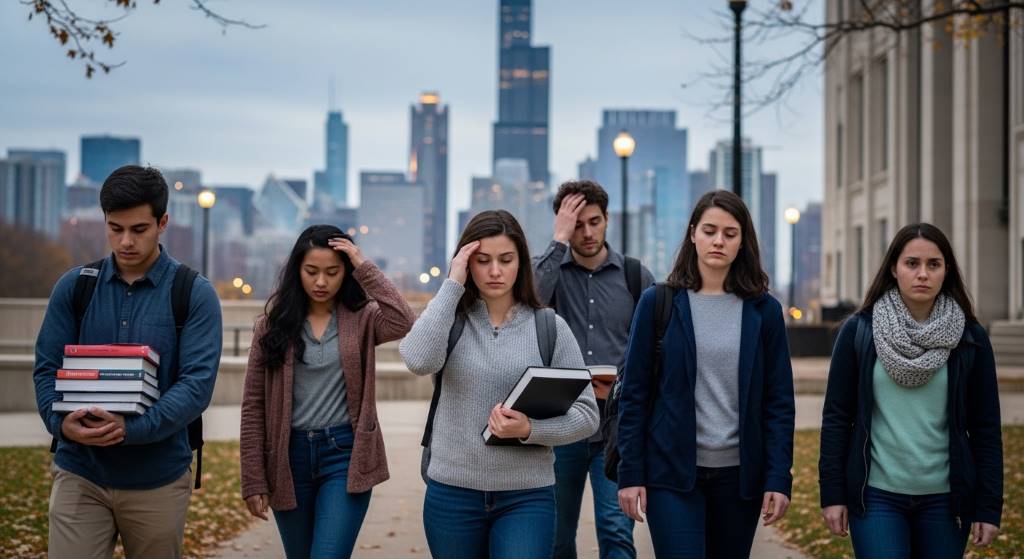
College students across Chicago often feel mentally drained once final exams end. A recent survey from the American College Health Association found that more than 75% of students reported moderate to severe stress during exam periods. In a fast-paced city like Chicago, pressure from academics, part-time jobs, and rising living costs can increase exhaustion even more. Many students also search for effective post exam stress management tips because recovery after finals has become just as important as exam preparation itself. Understanding why burnout happens can help students recover faster and feel healthier before the next semester begins.
Why Finals Hit Students So Hard in Chicago
Chicago students face academic pressure from competitive universities and demanding course schedules. Many also balance internships, commuting, and family responsibilities at the same time. Cold weather during winter finals often reduces sunlight exposure and lowers energy levels naturally. As a result, stress builds faster and recovery takes longer than expected.
Students in Chicago also spend long hours indoors during finals season. Libraries become crowded, coffee shops stay packed, and sleep schedules often collapse completely. Constant screen exposure increases eye strain and mental fatigue during late-night study sessions. Some students even rely on digital reading tools like these best e book readers to reduce paper clutter and manage coursework more efficiently.
Another major issue comes from the city’s unpredictable climate during exam months. Winter temperatures in Chicago often drop below freezing, while spring finals may bring sudden storms and strong winds. Harsh weather limits outdoor movement and increases feelings of isolation. Consequently, students may feel trapped in repetitive routines that intensify emotional exhaustion.
Common Signs of Burnout After Finals
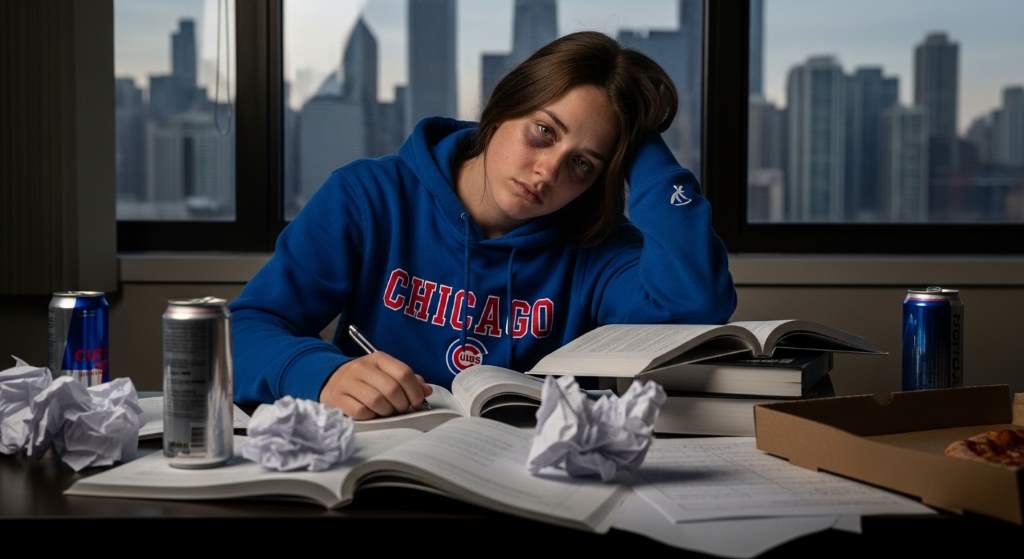
Burnout does not always appear as simple tiredness after exams. Many students experience emotional numbness, low motivation, and irritability for several days. Others lose interest in hobbies or avoid social interactions completely. These signs often show that the body and mind need proper recovery time.
Physical symptoms can also become noticeable after finals week ends. Headaches, muscle tension, poor sleep, and digestive issues frequently affect stressed students. In many cases, the body stays in a heightened stress response even after exams finish. Therefore, students may struggle to relax despite having free time again.
Academic burnout may also reduce concentration and memory temporarily. Some students feel guilty for resting because they worry about upcoming semesters or unfinished responsibilities. This cycle keeps the brain in constant alert mode and delays mental recovery. Identifying these patterns early can help students recover more effectively.
The Hidden Effect of Chicago’s Urban Lifestyle
Chicago’s fast urban environment contributes heavily to student burnout after finals. Loud public transportation, crowded neighborhoods, and busy campuses create constant sensory stimulation every day. Even during breaks, students may find it difficult to experience true quiet or mental calmness. Continuous stimulation prevents the nervous system from resetting properly.
Many students also feel pressure to remain productive during semester breaks. Social media often shows classmates traveling, networking, or preparing for future opportunities immediately after finals. This comparison culture creates anxiety and discourages proper rest. Consequently, students may ignore their emotional exhaustion and continue overworking themselves.
A less discussed issue involves “decision fatigue” after finals week. During exams, students make hundreds of small decisions related to studying, deadlines, meals, and schedules. Once finals end, the brain still feels overloaded and struggles with simple choices. This mental exhaustion explains why many students feel unusually unmotivated after exams despite having more free time.
How Students Can Recover Faster After Finals
The first step toward recovery involves restoring a healthy sleep routine immediately after exams. Students should aim for consistent sleeping and waking times instead of sleeping randomly throughout the day. Even one week of balanced sleep can improve mood, memory, and physical energy significantly. Proper rest also lowers cortisol levels that rise during stressful academic periods.
Nutrition also plays an important role in post-finals recovery. Many students survive on caffeine, fast food, and sugary snacks during exam weeks. After finals, the body needs balanced meals rich in protein, vegetables, and hydration to recover properly. Students reviewing complex subjects like these math topics before square roots often experience mental fatigue that worsens without healthy eating habits.
Regular movement can also speed up emotional recovery after finals. Students do not need intense workouts to feel better physically or mentally. Walking along Chicago’s lakefront, visiting local parks, or stretching indoors can improve blood flow and reduce stress hormones naturally. Fresh air and sunlight also support better mood regulation after long study periods indoors.
Simple Recovery Habits That Actually Work
Small daily habits often help students recover faster than dramatic lifestyle changes. Drinking enough water, reducing caffeine intake, and limiting screen time can improve energy surprisingly quickly. Many students also benefit from taking short breaks away from academic discussions entirely. These simple adjustments allow the brain to shift out of exam mode gradually.
Journaling can also help students process academic stress more effectively. Writing thoughts down allows the mind to organize emotions and release lingering anxiety from finals. Some students prefer gratitude journaling, while others track personal wins from the semester. Both approaches can create a stronger sense of emotional closure after exams.
Students should also reconnect with hobbies that disappeared during finals season. Listening to music, cooking, painting, or gaming can help restore emotional balance naturally. Enjoyable activities remind students that their identity extends beyond grades and deadlines. Therefore, hobbies become an important part of healthy recovery rather than simple entertainment.
The Importance of Social Recovery
Burnout recovery becomes easier when students spend time with supportive people. Finals often isolate students from friends, family, and social activities for several weeks. Rebuilding those connections after exams can improve mood and reduce stress quickly. Even casual conversations can help students feel emotionally lighter again.
Chicago students can also benefit from exploring local spaces after finals. Visiting museums, coffee shops, or public parks creates a mental separation from campus stress. New environments help reset thought patterns and improve emotional flexibility. Additionally, city exploration can feel refreshing after weeks of repetitive studying.
Students who live alone should pay extra attention to social recovery. Isolation after finals sometimes increases anxiety or low mood without warning. Scheduling meetups or joining group activities can create healthy emotional support during recovery periods. Consistent human connection remains one of the strongest tools against burnout.
How Technology Affects Recovery After Finals
Technology helps students study efficiently, but it can also delay emotional recovery after finals. Constant notifications and endless scrolling keep the brain overstimulated throughout breaks. Many students continue checking academic portals or emails even after exams officially end. This behavior prevents the mind from entering a true recovery state.
Digital fatigue also increases after long study periods involving laptops and tablets. Eye strain, headaches, and poor sleep often continue unless students reduce screen exposure intentionally. Simple changes like disabling notifications or taking offline walks can improve focus and mood quickly. Therefore, students should treat digital rest as part of overall wellness.
Some students benefit from setting “low stimulation” periods after finals week. During these periods, they avoid unnecessary media consumption and spend more time outdoors or reading physical books. This uncommon recovery method helps calm the nervous system effectively. It also improves attention span before the next semester begins.
Preparing for the Next Semester Without Burning Out Again
Students should use post-finals recovery time to reflect on what caused the most stress during the semester. Identifying unhealthy habits early can prevent future burnout cycles. Some students realize they overcommitted to activities, while others notice poor time management patterns. Awareness creates better academic decisions moving forward.
Creating realistic study schedules before the next semester can also reduce future stress levels. Students often plan impossible routines that become exhausting within weeks. Instead, balanced schedules with breaks and flexibility support long-term academic success. Consistency usually works better than extreme productivity methods.
Online learning options may also help students manage heavy workloads more effectively. Flexible academic programs can reduce commuting stress and improve schedule control for busy students. Many learners now explore resources like why consider an online degree programs when searching for healthier education alternatives. Choosing manageable learning formats can support both academic performance and mental health.
Conclusion
Finals season can leave Chicago students emotionally and physically exhausted for many reasons. Academic pressure, harsh weather, digital overload, and urban stress often combine into serious burnout symptoms. Fortunately, students can recover faster through better sleep, healthy routines, social connection, and realistic academic planning. Recovery should never feel like wasted time because it directly affects future performance and mental health. If you feel burned out after finals, start making small recovery changes today so you can return stronger, healthier, and more focused next semester.
FAQs
Why do students feel exhausted after finals?
Students feel exhausted because finals create intense mental pressure, poor sleep habits, and long periods of stress.
How long does post-finals burnout usually last?
Burnout recovery can last from several days to a few weeks depending on stress levels and recovery habits.
Can Chicago weather affect student burnout?
Yes, cold temperatures and limited sunlight in Chicago can increase fatigue and emotional stress during finals season.
What is the fastest way to recover after finals?
Consistent sleep, healthy meals, hydration, and light physical activity help students recover faster after exams.
Should students avoid screens during recovery?
Reducing screen time after finals can improve sleep quality, focus, and emotional recovery significantly.