
Arizona’s unique environment presents a specific set of challenges for car owners. Between the fine, invasive dust from the desert, the stubborn pet hair from your adventure buddy, and the constant fine sand that seems to appear from nowhere, keeping your vehicle interior clean can feel like a losing battle. You are likely tired of tiny debris clinging to your floor mats and seats, taunting you every time you buckle up. Finding the best handheld vacuum for Arizona cars is not just about picking any random portable cleaner; it is about selecting a tool that can handle the specific grit, heat, and high-frequency cleaning schedule demanded by the Grand Canyon State.
What Makes a Handheld Vacuum Suitable for Arizona’s Climate?
Desert environments create a specific category of mess that is different from urban or coastal grime. A suitable vacuum must excel at capturing fine particulate matter and resisting environmental stress.
Filtration and Fine Dust Capture
Arizona dust is not like household dust. It is often a mix of silicates and fine sand particles that can easily pass through standard vacuum filters. You need a handheld unit with a high-quality HEPA filter or a washable, multi-layer filtration system. Without this, you will be blowing fine dust back into your car’s air vents and upholstery, which degrades air quality and creates a constant haze on your dashboard.
Heat Resistance and Battery Performance
Leaving a handheld vacuum in a car parked under the Arizona sun can push internal temperatures well over 140°F. Not all lithium-ion batteries handle this well. Look for models with thermal protection and batteries rated for high-temperature operation. A vacuum that overheats and shuts down after 90 seconds is useless when you are trying to clean a sand-covered floor mat.
Suction Power for Granular Debris
While carpet and pet hair are common, sand and small gravel require strong, consistent suction. You need a motor measured in air watts (AW) or high Pascal (Pa) ratings. A vacuum with weak suction will simply move the sand around rather than pick it up, prolonging your cleaning routine unnecessarily.
Which Key Features Should You Prioritize for Desert Cleaning?
When evaluating models, focusing on the right features separates a good vacuum from a great one for Arizona conditions. Do not get distracted by marketing gimmicks.
Battery Life vs. Charging Speed
A vacuum with a 15-minute run time can be sufficient if it charges quickly. However, for a full deep clean of an SUV or a truck, you will need at least 20-25 minutes of continuous use. Prioritize models with fast charging (under 3 hours) and a maximum advertised run time. Remember, real-world run time is usually 60-70% of the advertised number when using the maximum suction setting.
Brush Design and Tangle Resistance
Desert driving often involves mesquite thorns and tumbleweed debris that can easily tangle in a traditional brush roll. Look for vacuums with a tangle-free brush design or a motorized brush that is easy to disassemble for cleaning. A simple crevice tool is often more effective for tight gaps where sand accumulates.
Weight and Maneuverability
You will be holding this device in awkward positions—under the steering wheel, between seats, and inside cup holders. A vacuum over 3.5 pounds will cause hand fatigue quickly. The best handheld vacuum for Arizona cars balances sufficient power with a lightweight, ergonomic design that allows you to clean for more than a few minutes without discomfort.
Dustbin Capacity and Ease of Emptying
Fine dust clogs filters quickly, but it also fills up a small dustbin faster than you expect. A bin capacity of at least 0.5 liters is ideal. More importantly, the emptying mechanism must be hygienic and simple. A one-touch, bottom-release door is superior to a top-opening design that forces you to dig out dirt with your fingers.
Why Is Suction Power More Important Than Horsepower?
Many consumers get confused by advertised motor specifications. For cleaning fine sand and dust, suction power is the critical metric, not the motor size.
Understanding Air Watts and Pascal Ratings
Air Watts (AW) is a standard measurement of vacuum cleaning effectiveness. For a handheld unit, look for at least 10-15 AW or 5,000-10,000 Pa. This level of suction is strong enough to lift sand from deep carpet fibers but not so powerful that it is difficult to maneuver. A model with strong suction will also pick up debris from the cracks between your seat and center console, a notorious hiding spot for grit.
Cyclonic vs. Standard Filtration
Cyclonic technology uses centrifugal force to separate debris from the air, preventing the filter from clogging immediately. This is a huge advantage in Arizona. Standard bagless vacuums lose suction as the filter fills with dust. Cyclonic designs maintain consistent performance, allowing you to clean the entire car without a significant drop in power.
How Does Heat Affect Battery Life in Portable Vacuums?
Extreme heat is the enemy of lithium-ion batteries, and Arizona summers are relentless. Understanding this dynamic helps you choose a more reliable tool.
Battery Chemistry and Safety
Premium handheld vacuums often use high-drain 18650 or 21700 lithium-ion cells. These are more stable than generic pouch cells at high temperatures. Look for models that explicitly mention thermal management or overheat protection. If a vacuum’s battery fails due to heat, the entire unit becomes a paperweight.
Storage Recommendations for Longevity
Never store a handheld vacuum on a continuous charger in a hot garage or car. This degrades the battery rapidly. Instead, charge it fully, disconnect it, and store it in the glovebox or a cooler part of the car. If you only use the vacuum once a week, charge it just before use and let it drain down naturally. This practice can double the battery lifespan.
Can You Rent or Should You Buy a Handheld Vacuum for Your Car?
With automatic car washes offering vacuums, you might wonder if owning a personal handheld unit is worth the investment for local drivers.
Cost Comparison: DIY vs. Professional Cleaning
A single self-service vacuum session costs between $1.50 and $3.00. If you clean your car weekly, that is $78 to $156 per year. A quality handheld vacuum costs between $60 and $120. You break even in six to twelve months. Plus, you save time by not driving to a wash and waiting in line.
Convenience of Immediate Cleaning
After a dusty off-road trip or a muddy hike, you can clean your car immediately, preventing dirt from baking into the carpet. With a rental vacuum, you would have to drive to a location while the dirt grinds into your upholstery. Owning a handheld unit gives you the freedom to clean on your terms, which is invaluable for maintaining a pristine interior.
Which Brands Produce the Most Reliable Units for Tough Conditions?
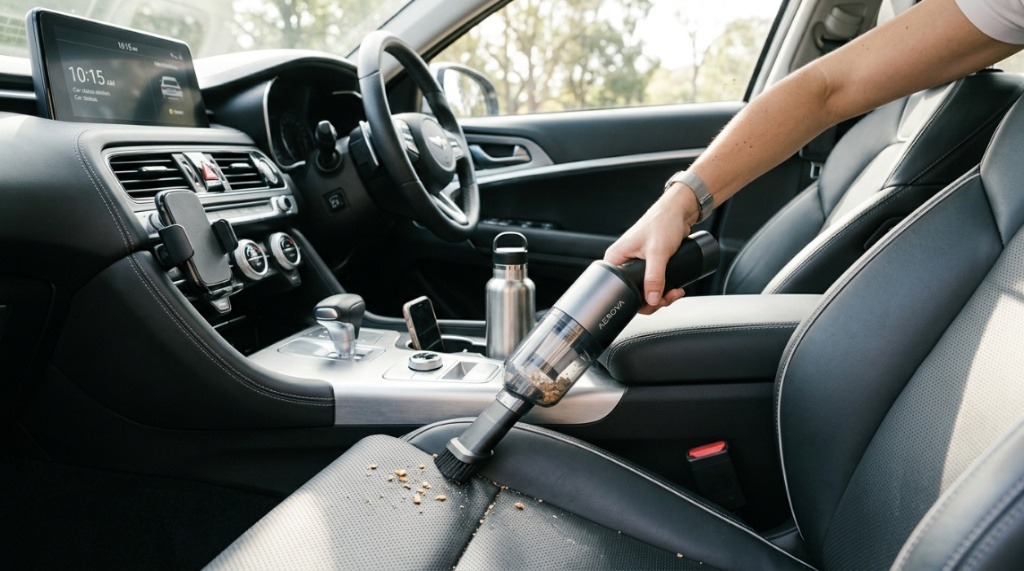
Not all brands are created equal when subjected to extreme conditions. Some models have proven more robust than others based on user feedback and durability testing in the southwest.
Dyson and High-Performance Options
Dyson handhelds, such as the V7 or V8 Car+Boat, are powerful and feature excellent cyclonic filtration. They handle fine dust exceptionally well. However, they are expensive and their batteries are not user-replaceable, which is a concern for long-term ownership in a hot climate.
Black+Decker and Mid-Range Workhorses
Black+Decker’s dustbuster line has been a staple for decades. The current models, like the BDH2020FL or the FHV520, offer good suction at a lower price point. They have washable filters and decent battery life for small cars. They are less powerful than a Dyson but are more affordable to replace if the battery wears out.
Shark and Specific Car-Focused Models
Shark has entered the handheld market with models like the Shark WandVac. These are lightweight, have powerful suction for their size, and feature a self-cleaning brush roll. They are excellent for pet hair and fine dust but may have a smaller dustbin that needs frequent emptying for a full SUV clean.
What Is the Best Cleaning Routine for an Arizona Car Interior?
Using the right tool is only half the battle. Implementing an effective routine will keep your car looking new and reduce the amount of dust that settles on surfaces.
Step-by-Step Weekly Maintenance
- Shake out floor mats: Remove floor mats and shake them vigorously outside the car to dislodge loose sand and gravel.
- Brush off seats: Use a soft brush or the crevice tool to loosen dust from fabric seats and crevices.
- Vacuum from top to bottom: Start with the dashboard and air vents, move to the seats, and finish with the floor. This prevents dust from falling onto already cleaned areas.
- Use a microfiber cloth: Wipe down hard surfaces after vacuuming to capture any remaining fine dust particles that the vacuum missed.
Deep Cleaning for Sand and Fine Dust
For heavy sand accumulation, use the vacuum’s brush attachment to agitate the carpet fibers. Go slowly over the same area multiple times. Fine sand settles deep into the carpet backing. The best handheld vacuum for Arizona cars will have enough suction to pull this deep sand to the surface. After vacuuming, consider using a rubber squeegee to push stubborn sand out of carpet fibers before a final pass.
Are Pet Hair Attachments Useful for Desert Debris?
While designed for pets, these attachments have surprising utility for specific desert-related messes.
Rubber Bristles for Fine Dust
Rubber-bristled pet turbo brushes work exceptionally well on fine dust and sand because the rubber creates static electricity that attracts particles. They are also excellent for cleaning sand out of the deep grooves of all-weather floor mats, which traditional brushes struggle with.
Removing Cactus Needles and Thorns
If you hike or off-road, you might bring in small cactus needles or sharp thorns. A motorized pet brush with stiff rubber bristles can often grab and pull these out of fabric better than a standard suction-only tool. Always inspect the brush roll after use to remove any thorns that may have become embedded.
When Should You Replace or Service Your Handheld Vacuum?
Even the best tools require maintenance. Knowing the signs of wear helps you avoid a situation where you need to clean your car but your vacuum is not working properly.
Signs of Filter Clogging
If you notice a high-pitched whine from the motor but weak suction, your filter is likely clogged. In Arizona, this can happen after just 3-4 uses if you are cleaning heavy dust. Wash the filter monthly. If the filter is discolored or smells burnt after washing, replace it immediately.
Battery Degradation Indicators
When your vacuum starts to die after half its normal run time, the battery is degrading. This typically happens after 1-2 years in a hot climate. If the vacuum is a budget model, it may be cheaper to replace the entire unit than to find a replacement battery. For high-end models, check if the manufacturer sells a replacement battery pack.
What Are Hidden Crevices in Common Arizona Vehicles?
Arizona trucks and SUVs are popular. These vehicles have specific nooks that trap sand and dust, which a good handheld vacuum must address.
Center Console and Cup Holder Gaps
The space between the center console and the driver’s seat is a sand trap. Use a thin crevice tool to run along this gap. Also, the rubberized inserts in cup holders harbor fine dust that a damp paper towel alone cannot remove. Vacuum these inserts out weekly.
Weatherstripping and Door Sills
Dust accumulates on the rubber weatherstripping around doors and on the plastic door sills. Vacuum these areas with a soft brush. If left unchecked, this dust can grind into the weatherstripping, causing premature wear and potential air leaks.
Under-Seat Rail Systems
The metal rails for power seats are magnets for sand and debris. Use a narrow crevice tool to vacuum the tracks. Sand in these tracks can cause the seat motor to struggle or make grinding noises. Keeping these areas clean ensures long-term operation of your power seats,
When accessorizing your vehicle interior, it is just as important to keep your home surfaces spotless—consider how you might Buy a Hoover Vacuum That Matches Your Floors and Budget to complete your cleaning routine.
Frequently Asked Questions
How often should I vacuum my car in Arizona?
For daily drivers in Arizona, a quick vacuuming session once a week is recommended. If you frequently go off-road or take your dog on hikes, twice a week may be necessary to prevent sand from embedding deep into the carpet.
Can I use a wet/dry vacuum for my car interior?
Yes, but many wet/dry models are bulky. Small handheld wet/dry vacuums exist, but they typically have weaker suction for dry debris. A dedicated dry handheld vacuum is usually better for fine dust. Only use wet-dry models if you frequently spill drinks.
Why does my handheld vacuum lose suction quickly?
This is most commonly caused by a clogged filter. High-dust environments like Arizona require frequent filter cleaning. If the filter is clean, check for a blockage in the hose or brush attachment. A full dustbin can also reduce airflow and suction power.
Is a corded handheld vacuum better for Arizona?
Corded vacuums offer unlimited run time and no battery degradation from heat. However, they require a power outlet and an extension cord, making them less convenient for on-the-go cleaning. For home use in a garage, a corded option is excellent. For use on the road, cordless is superior.
What is the average lifespan of a handheld vacuum in Arizona?
With proper care and storage, a quality handheld vacuum will last 2 to 4 years in Arizona’s climate. Battery degradation is the primary cause of failure. Mid-range models are often replaced after 2-3 years, while premium models with replaceable batteries can last longer if the battery is swapped out.
Can I use a car vacuum to clean the engine bay?
It is not recommended. The engine bay contains hot components, oil, and grease that will damage the filter and motor. Use a dedicated shop vac or a compressed-air blowgun for engine bay cleaning. Keep your handheld vacuum strictly for interior use.
How do I remove the smell of dust from my car vacuum?
Dusty environments can leave a musty smell inside the vacuum. Empty the dustbin after every use. Wash the filter with warm soapy water and let it dry completely before reinserting. You can also sprinkle a small amount of baking soda into the dustbin before vacuuming to neutralize odors.
Conclusion
Maintaining a clean car interior in Arizona requires a combination of the right tool and a consistent routine. You need a handheld vacuum that features excellent filtration for fine dust, a heat-resistant battery for long life, and strong suction to lift embedded sand. Do not compromise on filter quality or battery safety. Evaluate your cleaning frequency and budget, then choose between a high-performance model like Dyson or a reliable workhorse like Black+Decker. Remember to store your vacuum away from extreme heat and clean the filter regularly. With the correct approach, you can keep your vehicle looking fresh and free from the relentless Arizona dust. Take the time to select a unit that fits your specific needs, and you will enjoy a cleaner, more comfortable driving experience every day.