Creating a Positive Work Environment for Workers Both in the Office and Remote Workers

Fostering a good workplace culture and a positive atmosphere for a team is an essential part of a workplace, but when you have teams that have some members working remotely, this can bring additional challenges, and you may have to adapt some of the traditional office practices to suit this set up.

Tech Startups You Can Launch Without Venture Capital

The tech world is a goldmine for aspiring entrepreneurs. It offers vast opportunities for innovation, growth, and disruption—often without the need for significant upfront capital. Unlike traditional businesses that may require physical locations or inventory, many tech ventures can be started with just a laptop, an internet connection, and a sharp understanding of a specific problem or niche.

How AI has reshaped the customer experience

It is hard to put into words just how much AI has revolutionised the customer experience – also known as CX – over the past couple of years.

It is fair to say that AI began as a novelty, with people asking AI bots to create funny poems or give answers to simple questions; today, industries have been quick to realise the many benefits of engaging with AI to improve the customer experience and drive sales and customer satisfaction levels.

For support with enhancing your clients’ customer experience, consider working with a specialist CX Agency.

Why are beer mats used in pubs?

From historic inns to modern gastropubs, one item remains a consistent feature across the UK pub scene: the humble beermat. While it might appear to be a simple square of card or pulpboard, its role goes far beyond mere decoration. Whether printed with a brewery logo, a witty slogan or a bespoke design, these everyday items continue to support both pub operations and customer experience in a variety of ways.

Simplifying Business Risk Management for Today’s Entrepreneurs

Introduction to Business Risk Management

In today’s unpredictable business climate, understanding and managing risk is paramount for companies of all sizes. Business risk management encompasses strategies to recognize, evaluate, and reduce possible risks that may interfere with operations and impede growth. An effective risk management strategy is a safeguard, enabling businesses to navigate uncertainties more confidently and maintain stability in disruptive times. Among the fundamental pillars of risk management is securing appropriate insurance coverage to protect against liabilities. It is where liability insurance Newark DE, becomes essential. Such insurance policies can provide a safety net, ensuring businesses are financially protected against unforeseen liabilities, which is especially critical in litigious environments. Embracing a comprehensive risk management strategy allows companies to foster resilience and adaptability, which are crucial for long-term success.

Key Components of Effective Risk Management

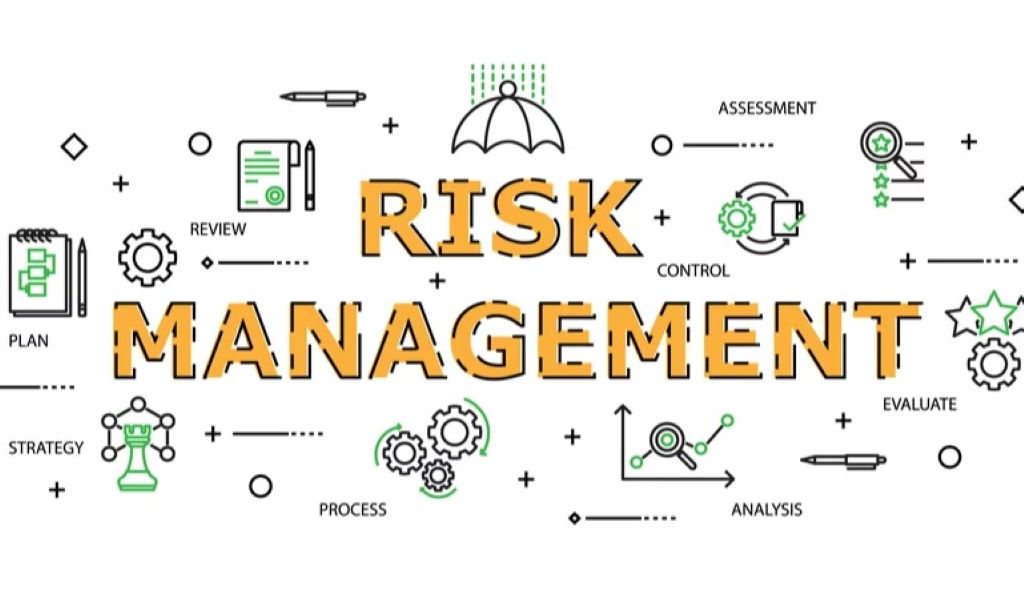
Successful risk management relies on several essential factors forming a robust strategy. The first step is risk identification, where businesses proactively identify potential risks that could disrupt their operations. This examination examines every aspect of the company, from operations and finances to technology and compliance. Once these risks are identified, risk assessment follows, allowing companies to evaluate each risk’s likelihood and potential impact. Risk control measures are then employed to reduce or eliminate identified risks. These can range from implementing new policies to investing in technology to restructuring specific business processes. Finally, risk monitoring ensures ongoing evaluation and management of identified risks, guaranteeing the timely adaptation of strategies in response to new threats. By combining these elements, companies establish a robust risk management system that can endure over time.

Real-Life Examples of Risk Mitigation

Throughout history, numerous organizations have demonstrated exceptional risk mitigation strategies during times of crisis. Take Toyota, for example, which faced a massive vehicle recall in 2010. The company responded with transparent communication, taking full accountability while focusing on customer safety and product quality improvement. Their swift and responsible handling of the situation reinstated consumer trust and underscored the significance of effective crisis management.

Similarly, Netflix’s transition from a traditional DVD rental service to a digital streaming powerhouse exemplifies strategic risk mitigation. Recognizing customer preference shifts and technological evolution, Netflix pivoted early, allowing it to capture significant market share in the streaming industry. These examples emphasize the necessity of adaptability and foresight in successful risk management.

Common Challenges in Business Risk Management

Implementing effective risk management strategies comes with its share of challenges. Businesses often grapple with identifying all potential risks, especially those associated with new ventures or emerging market conditions. Additionally, underestimating the potential impact of unlikely events can lead to inadequate preparation, leaving companies vulnerable when such events occur. Another key challenge is ensuring the organization understands and is committed to the risk management framework. Educating employees and cultivating a culture of risk awareness can be resource-intensive, but is crucial for holistic implementation. Organizations provide valuable insights and guidance in overcoming these challenges, offering resources that help refine risk management strategies.

Best Practices for Managing Business Risks

Adopting best practices in risk management can significantly bolster a company’s defense against potential threats. Among the most effective strategies is maintaining regular risk assessments. It allows companies to remain ahead of changing threats and adapt their approach accordingly. Additionally, fostering a culture of risk awareness across all levels of the organization ensures collective vigilance.

  • Regularly conduct risk assessments to stay informed of potential threats.
  • Establish and sustain a culture of risk consciousness throughout the organization.
  • Develop a responsive crisis management plan that allows for rapid response.
  • Utilize data analytics to forecast and respond to potential risks and opportunities.
  • Connect with industry specialists and remain updated on evolving risk management trends.

Organizations can also benefit from resources that offer comprehensive guidelines for developing and implementing practical business continuity plans.

The Role of Technology in Risk Management

Technology is a vital enabler in contemporary risk management, enhancing a company’s ability to anticipate and manage risks effectively. Risk management software allows for streamlined risk tracking and assessment, enabling companies to identify areas of vulnerability swiftly. With predictive analytics, businesses gain foresight into potential risks, allowing them to implement preemptive measures that minimize impact. Furthermore, advancements in cybersecurity provide essential protections against data leaks and online dangers, protecting confidential information from malicious exploitation. Leveraging these technological tools improves risk management efficiency and fortifies the business against emerging threats.

Future Trends in Business Risk Management

The business risk landscape is ever-evolving, driven by technological advancements and shifting global dynamics. Anticipating the future, incorporating AI and ML into risk management promises to enhance predictive capabilities, providing deeper insights and more precise forecasts. Additionally, as societal focus on sustainability intensifies, businesses increasingly incorporate environmental risks into their risk management frameworks. This evolution calls for companies to remain agile and adaptable, ensuring their risk management processes are proactive and responsive to future trends. Such forward-thinking approaches will position companies to capitalize on opportunities while effectively mitigating risks.

Conclusion: Building a Resilient Business

In conclusion, adept business risk management is a dynamic and continuous process requiring commitment and vigilance. By understanding key components, embracing technological solutions, and adopting best practices, businesses can build resilient frameworks that readily adapt to change. Effective risk management protects current operations and fosters a culture of preparedness that underpins sustainable growth. Equipping your business with a robust risk management strategy is essential for lasting success in an unpredictable world.

Decoding Legal Malpractice: How a Lawyer Can Steer You Through Your Options

Key Takeaways

  • Understanding the essence and signs of legal malpractice is crucial for any client.
  • Timeliness and gathering the proper evidence can vastly influence the outcome of a malpractice claim.
  • An expert lawyer can deftly navigate the complexities of a legal malpractice case.

What Constitutes Legal Malpractice?

Legal malpractice emerges when an attorney fails to competently fulfill their obligations, leading to harm or potential harm to the client. This can manifest in several ways, including negligence, misrepresentation, breach of contract, and breaches of fiduciary duty, each resulting in a potential legal minefield for the affected clients. For instance, negligence might involve missed deadlines critical to a case’s success. A legal malpractice lawyer Portland, OR, can help assess situations where misrepresentation or incorrect application of the law has severely affected the outcome of legal proceedings. Moreover, breaches of fiduciary duty, such as those arising from conflicts of interest, can undermine trust and jeopardize client outcomes. Understanding these elements can empower clients to identify and address such dilemmas proactively.

Identifying the Signs of Legal Malpractice

Identifying the signs of legal malpractice is crucial and can require careful attention to the performance and actions of your attorney. Frequently overlooked, yet critical, are the aspects of missed deadlines. Repeated failures to meet essential deadlines can fatally compromise a legal case, causing irrevocable harm to a client’s interests. Another significant red flag is a demonstrated lack of understanding or improper application of the law by the attorney, which can lead to legal missteps and adverse outcomes. As noted in a Lawyer Monthly article, legal malpractice can manifest in various ways, including negligence, administrative mistakes, and breach of fiduciary duty. Furthermore, conflicts of interest, where an attorney may have competing priorities that interfere with their duty to the client, can erode the trust necessary for successful legal counsel. Such conflicts can arise when a lawyer’s interests do not align with the client’s, creating a detrimental situation for objective representation.

Statutes of Limitations: Why Timing Is Critical

The statutes of limitations are essential legal mechanisms that establish the deadlines within which a legal malpractice claim must be filed. These limitations are jurisdiction-specific and vary significantly from one region to another. Their significance lies in the failure to file a claim within these set periods, which can irrevocably void a client’s right to seek redress, regardless of the validity or strength of the underlying legal malpractice complaint. Understanding the applicable time frame is critical as it alerts clients to the urgency of their legal situations and influences strategic planning and actions moving forward. As noted in discussions by legal scholars, these limitations underscore a broader philosophy in the legal domain: the protection of rights through both proactive engagement and adherence to established legal timelines. Acting promptly is not just a procedural necessity but a strategic imperative that could shape the outcome of legal strategies.

Steps to Take After Suspecting Legal Malpractice

Upon suspecting legal malpractice, taking well-considered steps to protect your legal and personal interests is imperative. Begin by diligently gathering all relevant documentation, which includes contracts, communications, and pertinent records from interactions with the attorney involved. This collective documentation is a foundational element in establishing the basis for a malpractice claim. Next, consulting a different legal professional for a second opinion can offer invaluable insights into your case’s merits and potential strategies. This fresh perspective can be critical in clarifying gaps or misunderstandings related to the initial legal advice or representation. Moreover, maintaining meticulous records and documentation of all lawyer interactions is a good fit for your position by creating a comprehensive evidentiary base. Such thorough record-keeping supports the claim and can significantly enhance its credibility, especially when subjected to litigation or during settlement discussions.

The Role of Expert Witnesses in Legal Malpractice Cases

Expert witnesses hold a pivotal position in legal malpractice cases. Their testimony is often central to clarifying whether the legal actions adhered to the standard of care expected from the attorney’s professional conduct. According to Cornell Law School’s Legal Information Institute, an expert witness can testify in court due to specialized knowledge that helps clarify complex technical or scientific issues. Their role involves providing educated insights that can resonate with a jury or judge by translating complex legal paradigms into understandable analyses. Therefore, selecting an appropriate expert witness can influence a case’s perception and outcome.

Navigating the Legal Process: How an Attorney Can Help

Engaging the skills of an experienced lawyer is essential in the complex procedure of managing a legal malpractice case. Beyond mere representation, such legal professionals provide strategic advice for discerning the most viable options in pursuing a claim, whether through trial proceedings or settlement avenues. They are irreplaceable in managing expectations and clarifying potential scenarios and developments throughout the litigation process. This guidance significantly reduces the ambiguity and stress that clients may experience. Moreover, a competent attorney ensures that a client’s interests are defended, demonstrating meticulous knowledge and tactical proficiency that can profoundly influence the case’s trajectory and increase the chances of a favorable outcome.

Potential Outcomes of Legal Malpractice Claims

The repercussions of legal malpractice claims are diverse, with outcomes highly dependent on the particularities underlying each case. Favorable resolutions can result in financial compensation for losses incurred due to attorney negligence or breaches of duty. Sometimes, the legal wrongs may be directly rectified, potentially restoring affected legal rights or positions. Additionally, such cases can lead to disciplinary actions against the erring attorney, emphasizing the broader accountability of legal practitioners to uphold ethical and professional standards. This variability and possibility for impactful resolutions underscore the necessity of adept representation in effectively navigating toward outcomes that align with the client’s expectations and justice requirements.

Preventing Legal Malpractice: Tips for Clients

The prevention of legal malpractice starts with informed and proactive client behavior. Central to this is the due diligence in selecting an attorney, which means scrutinizing potential lawyers’ qualifications, reputations, and previous client experiences. Establishing and maintaining clear, honest communication with your attorney can prevent misunderstandings and align expectations early in the process. Additionally, clients are encouraged to stay informed and actively involved in their legal affairs, understand the basic elements of their case, and participate in decision-making when possible. This engagement reduces the risk of malpractice and empowers the client, making the legal navigation process smoother and more effective, ultimately leading to more satisfactory legal outcomes.