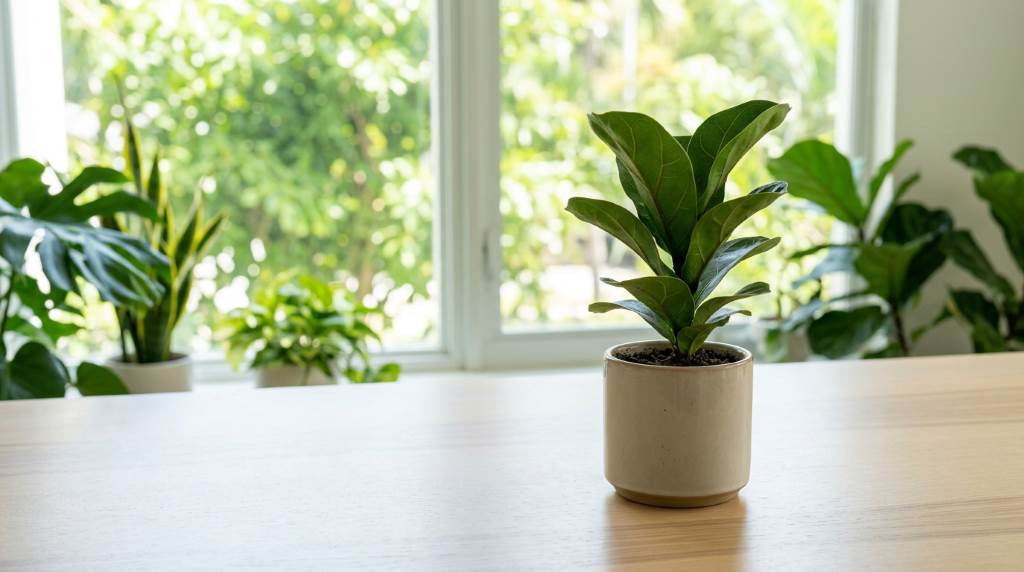
Indoor plants improve air quality, reduce stress, and make homes feel more welcoming. However, many homeowners in Miami struggle with tiny bugs hiding in plant pots because the warm and humid climate creates perfect breeding conditions. According to the Environmental Protection Agency, indoor air can contain higher pollutant levels than outdoor air, which is why many people keep houseplants indoors. At the same time, Florida’s humidity often attracts pests like fungus gnats, springtails, and mites into moist soil. Many homeowners also search for solutions like silverfish and centipede control for indoor plants when dealing with hidden pests around potted greenery. Fortunately, several simple methods can keep bugs away while helping indoor plants stay healthy year-round.
Why Tiny Bugs Hide in Potted Plants in Miami Homes
Miami’s tropical climate creates ideal conditions for moisture-loving insects. Warm temperatures remain consistent through most of the year, so bugs continue breeding indoors without seasonal interruptions. In addition, frequent rain and high humidity keep plant soil damp for long periods. Many pests prefer dark and wet environments because they offer shelter and food.
Indoor potted plants also provide protection from predators and weather changes. Tiny insects often feed on decaying organic matter inside the soil or around roots. Moreover, overwatered plants become especially attractive to gnats and mites. Bugs can multiply quickly if homeowners ignore early warning signs.
Many insects enter homes through windows, doors, or newly purchased plants. Garden centers sometimes carry hidden larvae in potting soil or beneath leaves. Therefore, one infected plant can spread pests to nearby containers within days. Regular inspection helps stop infestations before they become serious.
Common Tiny Bugs Found in Indoor Plant Pots
Fungus Gnats
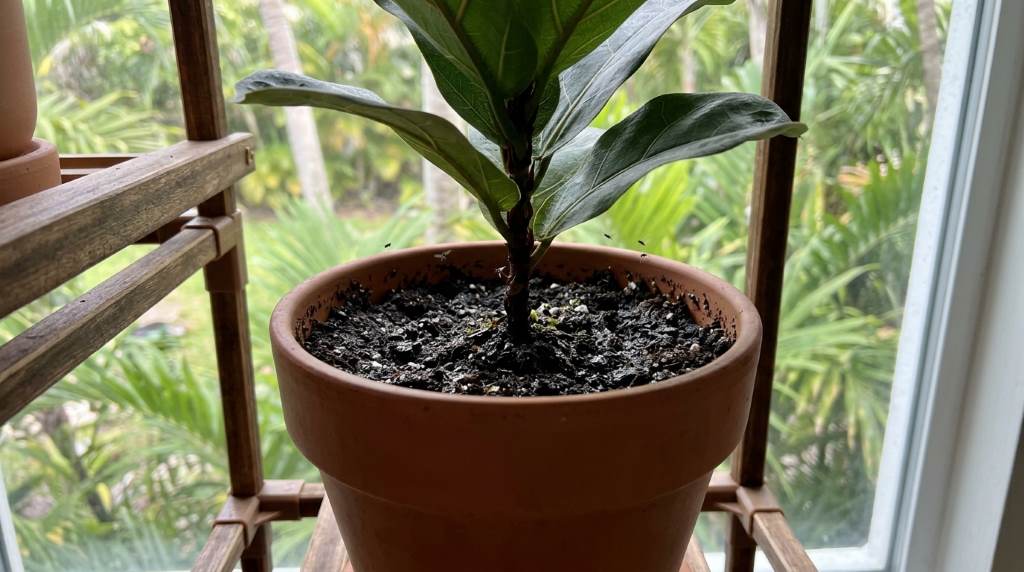
Fungus gnats are among the most common pests in Miami homes. These tiny black flies hover around soil surfaces and damp areas. Their larvae feed on fungi and decaying roots beneath the soil. Although adults rarely harm plants directly, large infestations weaken root systems over time.
Spider Mites
Spider mites are extremely small and difficult to notice at first. They usually gather underneath leaves and suck plant juices from stems and foliage. As a result, leaves develop yellow spots and dry edges. Fine webbing around leaves often signals a serious infestation.
Springtails
Springtails thrive in moist potting soil and humid conditions. They feed mainly on organic debris instead of healthy plants. However, their presence often indicates excessive moisture in containers. Many homeowners mistake them for fleas because they jump when disturbed.
Mealybugs
Mealybugs appear as white cotton-like clusters on leaves and stems. These insects slowly drain nutrients from plants and leave sticky residue behind. Furthermore, the residue encourages mold growth around indoor plants. Early removal prevents large outbreaks.
Root Aphids
Root aphids hide below the soil surface, making them harder to detect than regular aphids. They attack roots and weaken plant growth over time. Infected plants may wilt despite regular watering. Consequently, many homeowners fail to identify the problem quickly.
Signs That Tiny Bugs Are Hiding in Your Plant Pots
Healthy plants usually show clear and vibrant growth patterns. When pests invade, plants often display visible warning signs. Leaves may turn yellow, curl, or develop brown spots unexpectedly. Additionally, growth may slow despite proper care.
Flying insects around windows or plant containers often indicate fungus gnat activity. Small crawling bugs near drainage holes also suggest hidden infestations beneath the soil. Sometimes homeowners notice sticky residue on leaves or nearby furniture. This sticky layer usually comes from sap-sucking insects like mealybugs.
Another common sign involves moldy or foul-smelling soil. Excess moisture encourages fungal growth that attracts many pests. Therefore, unpleasant odors from plant pots should never be ignored. Frequent inspection helps detect these issues early.
Best Ways to Prevent Tiny Bugs in Potted Plants
Avoid Overwatering Indoor Plants
Overwatering creates the perfect environment for insects and fungal growth. Many homeowners water plants too frequently because Miami heat feels intense year-round. However, most indoor plants need dry topsoil before the next watering session. Checking soil moisture with your finger helps prevent mistakes.
Allowing proper drainage also reduces standing moisture around roots. Pots without drainage holes often trap water and encourage infestations. Therefore, choosing containers with drainage systems is essential. Dry soil surfaces discourage many common indoor pests.
Use High-Quality Potting Soil
Cheap soil mixtures sometimes contain insect eggs or organic debris. High-quality potting soil reduces the chances of hidden pest problems indoors. Sterile soil mixtures also limit fungal growth that attracts gnats. Consequently, plants stay healthier and cleaner for longer periods.
Replacing old soil every year can further improve plant health. Fresh soil removes hidden larvae and contaminated organic matter. In addition, new nutrients support stronger root systems. Healthy plants resist pests more effectively.
Improve Air Circulation Indoors
Poor airflow traps humidity around indoor plants and creates ideal bug conditions. Small fans or open windows help improve ventilation throughout rooms. Better airflow also dries soil surfaces faster after watering. As a result, insects lose favorable breeding environments.
Spacing plants apart prevents pests from spreading easily between containers. Crowded plants trap moisture and block proper air movement. Therefore, keeping small gaps between pots supports healthier indoor conditions. Cleaner airflow benefits both plants and homeowners.
Clean Plant Leaves Regularly
Dust and debris attract pests and weaken plant health over time. Wiping leaves with a damp cloth removes dirt and hidden insects effectively. Neem oil sprays can also help prevent infestations naturally. Moreover, regular cleaning improves photosynthesis and overall appearance.
Inspecting leaves during cleaning helps detect early pest activity. Tiny webs, sticky spots, or discoloration often appear before major infestations develop. Quick action prevents widespread damage indoors. Consistent maintenance remains one of the easiest prevention methods.
Natural Remedies to Stop Bugs in Plant Pots
Sprinkle Cinnamon on Soil
Cinnamon contains natural antifungal properties that help reduce fungus growth in moist soil. Since fungus gnats depend on fungi, cinnamon helps discourage their activity. Simply sprinkle a light layer over the topsoil after watering. This method works well for mild infestations.
Use Neem Oil Spray
Neem oil acts as a natural insect repellent for many indoor plant pests. It disrupts insect feeding and breeding cycles without harming most plants. Mix neem oil with water according to label instructions before spraying leaves and soil. Weekly treatments usually produce noticeable improvements.
Add Sand or Gravel on Topsoil
A layer of sand or decorative gravel helps soil dry faster. Dry top surfaces make it harder for fungus gnats to lay eggs. In addition, sand creates a physical barrier against crawling pests. This simple trick works especially well in humid Miami homes.
Try Sticky Traps
Yellow sticky traps capture flying insects near plant containers. These traps help monitor infestations while reducing adult bug populations. Although traps do not kill larvae in soil, they slow reproduction significantly. Combining traps with proper watering improves results.
Best Indoor Plant Care Practices for Miami Residents
Miami homeowners should choose plants that tolerate humidity without needing excessive watering. Snake plants, pothos, and ZZ plants perform well indoors with minimal maintenance. These varieties also resist pests better than moisture-sensitive plants. Consequently, they remain popular choices for Florida homes.
Morning watering schedules help soil dry more efficiently during the day. Watering at night often leaves containers damp for extended periods. Additionally, rotating plants occasionally improves light exposure and airflow. Balanced care reduces stress and pest vulnerability.
Humidity control inside homes also matters greatly. Air conditioners and dehumidifiers help reduce excess moisture indoors. Lower humidity levels discourage many common bugs from multiplying quickly. Therefore, indoor climate management plays a major role in pest prevention.
Mistakes That Attract Tiny Bugs to Indoor Plants
Many homeowners accidentally create ideal conditions for pests without realizing it. Overcrowding plants limits airflow and traps moisture between containers. Furthermore, leaving dead leaves on soil surfaces attracts insects seeking organic material. Clean surroundings support healthier plant environments.
Ignoring quarantine procedures for new plants also causes major infestations. Newly purchased plants may carry hidden insects from nurseries or garden stores. Therefore, isolating new plants for two weeks helps prevent spreading pests indoors. Careful inspection protects existing houseplants.
Using outdoor garden soil indoors creates additional problems. Outdoor soil often contains insect eggs, fungi, and unwanted organisms. Sterile indoor potting mixes remain safer for container plants. Choosing the right soil prevents future pest issues.
When to Replace Soil or Repot Plants
Some infestations become severe enough to require complete soil replacement. Persistent gnats, root aphids, or moldy soil often indicate deeper contamination. Removing the plant and washing roots carefully can eliminate hidden larvae. Fresh soil then provides a cleaner growing environment.
Repotting also helps plants outgrow damaged or crowded root systems. Larger containers improve drainage and airflow around roots. However, oversized pots may hold too much moisture and encourage pests again. Selecting the correct pot size remains important.
Always clean pots thoroughly before reusing them. Soap and warm water remove hidden eggs and fungal residue effectively. Sanitized containers reduce future infestation risks. Consistent hygiene supports long-term indoor plant health.
Best Pest Control Products for Indoor Plant Bugs
Several safe products can help Miami homeowners manage indoor plant pests effectively. Insecticidal soaps target soft-bodied insects like aphids and mealybugs. These sprays usually work without damaging indoor plants when used properly. Reading labels carefully ensures safe application.
Hydrogen peroxide soil drenches can reduce larvae populations beneath the soil surface. Mixing diluted peroxide with water helps kill pests while increasing soil oxygen. However, excessive use may stress sensitive plants. Moderate treatments work best for occasional infestations.
Beneficial nematodes also provide biological pest control solutions. These microscopic organisms attack larvae inside moist soil naturally. Many gardeners prefer them because they reduce chemical use indoors. Natural approaches often work well alongside proper plant care routines.
How Miami’s Climate Impacts Indoor Plant Pest Problems
Miami experiences high humidity levels throughout most of the year. Moisture remains trapped indoors even with air conditioning systems running regularly. Consequently, fungus gnats and mold-related pests thrive in many homes. Indoor plants become especially vulnerable during rainy seasons.
Frequent tropical storms also increase indoor moisture levels significantly. Water can enter through windows, balconies, or poorly sealed doors during heavy rain. This added moisture encourages insect breeding near plants. Therefore, homeowners should monitor humidity carefully after storms.
Warm temperatures allow pests to remain active year-round. Unlike colder regions, Miami rarely experiences freezing conditions that naturally reduce insect populations. Continuous warmth means indoor pests can reproduce rapidly without interruption. Preventive maintenance remains essential in Florida homes.
Conclusion
Tiny bugs hiding in potted plants can quickly become frustrating for Miami homeowners. Fortunately, proper watering habits, better airflow, and regular plant inspections can stop infestations before they spread. Natural remedies like neem oil, cinnamon, and sticky traps also provide safe and effective control options. Since Miami’s humid climate encourages pest activity year-round, consistent plant care remains the best defense against hidden insects. Start inspecting your indoor plants today and create a cleaner, healthier home environment with proactive pest prevention methods.
FAQs
How do I stop fungus gnats in indoor plants?
Allow the top layer of soil to dry between watering sessions and use sticky traps to reduce adult gnats.
Why are bugs attracted to my potted plants?
Moist soil, humidity, and decaying organic matter create ideal conditions for tiny insects.
Can overwatering cause indoor plant pests?
Yes, overwatering encourages fungal growth and attracts many common plant bugs.
Is neem oil safe for indoor plants?
Neem oil is generally safe when diluted properly and used according to instructions.
Should I replace soil after a pest infestation?
Replacing contaminated soil helps remove hidden larvae and prevents recurring infestations.
Related Reads
Check: Best Nail Gun Repair Tips for Homeowners in Dallas, TX
Discover: Cost-Effective Kitchen Improvements