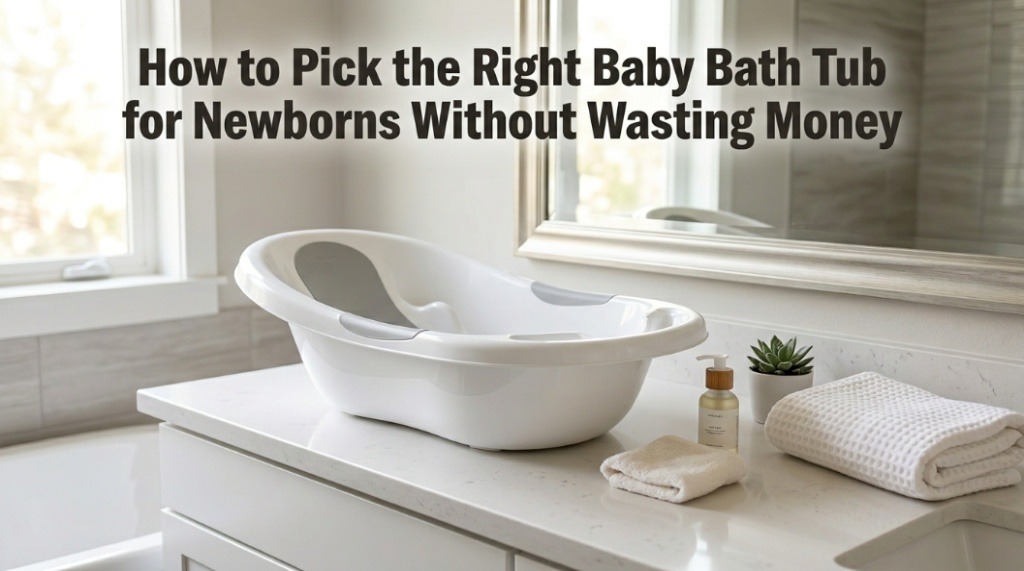
Most parents discover too late that a slippery sink and a crying newborn can turn “cute bath time” into a stressful balancing act in under 30 seconds. Choosing the right baby bath tub for newborns matters because newborn tub safety directly affects comfort, hygiene, and injury prevention during those fragile first weeks. The best anti-slip baby tub supports your baby’s neck, keeps water levels safe, fits your space, and saves money by avoiding unnecessary upgrades.
New parents often buy oversized tubs, trendy foldable models, or expensive bath systems that end up unused after a few weeks. That wastes money and creates safety risks. According to pediatric safety guidance from organizations like the American Academy of Pediatrics, babies can drown in very small amounts of water if left unsupported for even a moment. That is why smart parents focus less on fancy features and more on stability, ergonomic design, drainage, newborn support, and ease of cleaning.
This guide explains exactly how to choose a newborn-safe tub, avoid common buying mistakes, compare popular tub styles, and make bath time safer without overspending. You will also learn first baby bath tips, anti-slip features that actually matter, and how to choose a tub that grows with your baby.
What Is the Best Baby Bath Tub for Newborns?
The best baby bath tub for newborns is a compact, anti-slip tub with full-body support, safe incline positioning, easy drainage, and a size that fits your home setup.
Newborns cannot support their own neck or body during bathing. A proper infant tub reduces slipping risk and helps parents maintain secure handling. The safest options usually include:
- Non-slip textured surfaces
- Newborn recline support
- Soft mesh sling or foam padding
- Drain plug for quick emptying
- Mold-resistant materials
- Compact storage design
Many pediatric experts recommend skipping deep tubs for newborns because shallow ergonomic tubs provide better positioning control during the first months.
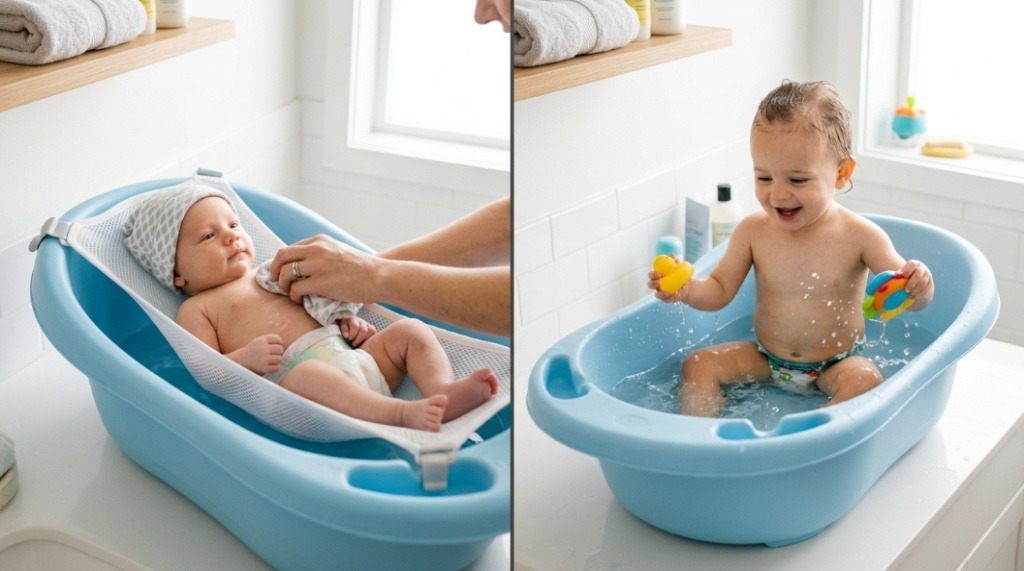
Why do newborn-specific tubs matter?
Newborn tubs reduce accidental slipping and improve head stability during early bathing stages.
Adult bathtubs and kitchen sinks are not designed for infant posture. Newborn bath tubs support the baby’s spine while helping parents use one hand safely for washing.
Which Baby Bath Tub Features Actually Matter?
The most important baby tub features are anti-slip surfaces, ergonomic support, easy cleaning, proper sizing, and durable materials.
Marketing often pushes unnecessary extras like temperature lights or luxury accessories. In reality, the safest and most practical features are much simpler.
| Feature | Why It Matters | Worth Paying Extra? |
|---|---|---|
| Anti-slip texture | Reduces sliding risk | Yes |
| Newborn sling | Supports head and neck | Yes |
| Temperature indicator | Convenient but not essential | No |
| Foldable design | Good for small homes | Depends on storage needs |
| Drain plug | Improves cleaning convenience | Yes |
| Built-in toys | Mostly decorative | No |
What is the safest material for a newborn tub?
BPA-free plastic with textured anti-slip surfaces is considered one of the safest and easiest-to-clean options.
Look for certifications showing the tub is free from harmful chemicals like phthalates and PVC when possible.
How Important Is Newborn Tub Safety?
Newborn tub safety is critical because infants can slip underwater silently and quickly in even a few inches of water.
Bath safety mistakes are more common than many parents expect. Data from child safety organizations consistently shows bathroom injuries remain a major household accident category for infants and toddlers.
Safe bathing habits include:
- Never leaving a newborn unattended
- Keeping one hand on the baby at all times
- Using warm—not hot—water
- Checking water temperature before bathing
- Avoiding overfilled tubs
- Placing the tub on stable surfaces only
What water temperature is safest for newborn baths?
The safest newborn bath water temperature is around 100°F (37.8°C), which feels warm but not hot.
A simple bath thermometer helps, but many parents also use the inside of the wrist or elbow to test water comfort.
Should You Buy a Sink Bath, Foldable Tub, or Full Infant Tub?
Full infant tubs are usually best for long-term value, while sink inserts work well for short-term newborn use and foldable tubs help save space.
Each tub style has strengths depending on your budget, home size, and bathing routine.
1. Sink Bath Inserts
Sink inserts are soft, compact, and useful during the first weeks.
Pros:
- Affordable
- Space-saving
- Comfortable for tiny newborns
Cons:
- Short usage lifespan
- Requires sink sanitation before use
- Less long-term value
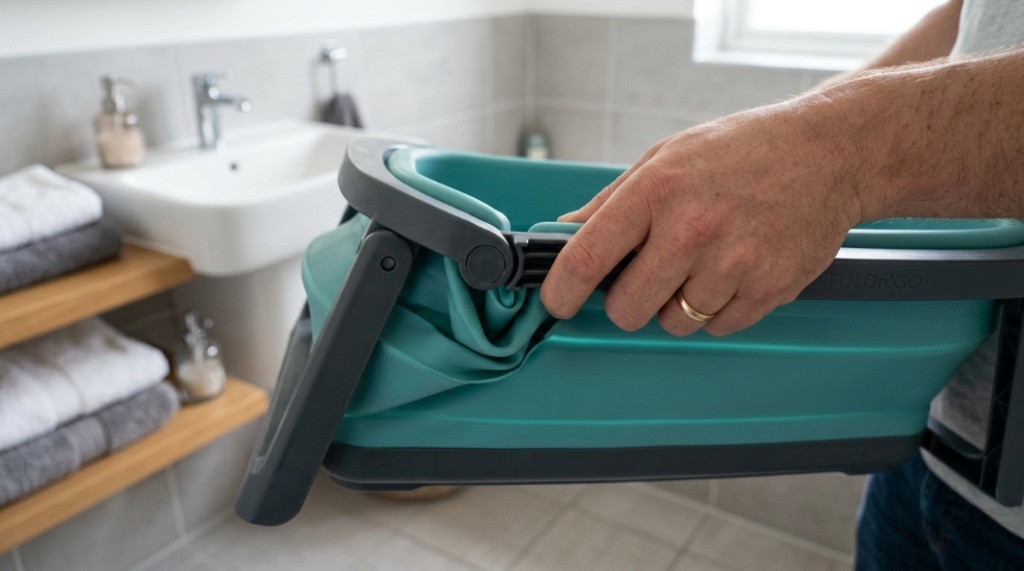
2. Foldable Baby Tubs
Foldable tubs are ideal for apartments and travel.
Pros:
- Easy storage
- Portable
- Useful in small bathrooms
Cons:
- Some models lose stability over time
- Cheap hinges may wear out
3. Full Infant Bath Tubs
Full infant tubs provide the best balance between newborn support and extended usability.
Pros:
- Better ergonomic design
- Longer use period
- Often includes newborn recline support
Cons:
- Takes more storage space
- Higher upfront cost
How Can Parents Avoid Wasting Money on Baby Bath Tubs?
Parents avoid wasting money by prioritizing safety, durability, and long-term usability instead of trendy features.
Many expensive tubs solve problems that do not really exist. Smart buying focuses on practical daily use.
Common money-wasting mistakes
- Buying oversized luxury tubs too early
- Choosing style over stability
- Ignoring bathroom size
- Paying extra for electronic gadgets
- Purchasing tubs without anti-slip surfaces
One quality ergonomic tub often works better than buying multiple cheaper replacements.
How long should a newborn tub last?
A good newborn tub typically lasts from birth to 12 months depending on size and adjustability.
Convertible tubs with removable newborn inserts provide the best long-term value.
What Are the Best First Baby Bath Tips for New Parents?
The best first baby bath tips include preparing everything beforehand, keeping sessions short, and focusing on warmth and stability.
Newborns often dislike sudden temperature changes, so preparation matters more than speed.
Simple first baby bath checklist
- Soft towel ready nearby
- Clean diaper prepared
- Gentle baby soap available
- Fresh clothes organized
- Room temperature warm enough
- Water prepared before bringing baby
How often should newborns bathe?
Most newborns only need 2–3 baths per week unless there is heavy spit-up or diaper mess.
Too many baths may dry sensitive infant skin.
When can babies move to regular bathtubs?
Most babies transition to regular tubs once they can sit independently, usually around 6 months.
Even then, anti-slip support and constant supervision remain necessary.
Are Anti-Slip Baby Tubs Really Better?
Yes, anti-slip baby tubs significantly reduce movement during bathing and improve handling control for parents.
Wet newborn skin becomes slippery quickly. Anti-slip textures help stabilize positioning and reduce sudden sliding.
Look for:
- Textured bottom grip
- Rubberized support zones
- Secure reclining angles
- Wide stable base
Avoid overly smooth plastic tubs because they become difficult to manage once soap and water mix together.
Do anti-slip pads replace supervision?
No. Anti-slip surfaces reduce slipping risk but never replace active hands-on supervision.
Parents should stay within arm’s reach every second during bathing.
Which Baby Bath Tub Size Is Best?
The best newborn tub size is compact enough for stability but large enough for several months of growth.
Small tubs support newborn positioning better than oversized models. However, extremely tiny tubs may become unusable within weeks.
What size should parents choose?
- Newborn-only tubs: Best for first 3 months
- Convertible tubs: Best long-term value
- Large infant tubs: Better after 4–6 months
Measure your sink, bathtub, or countertop area before buying. Many returns happen because tubs do not fit properly inside bathrooms.
What Cleaning Features Should Parents Look For?
The easiest baby tubs to maintain have drain plugs, mildew-resistant surfaces, and minimal creases where mold can grow.
Moisture buildup creates hygiene problems fast. Some soft fabric inserts trap water and develop odor if not dried correctly.
Best hygiene practices for baby tubs
- Drain immediately after use
- Dry completely between baths
- Avoid standing water
- Clean weekly with mild soap
- Inspect foldable hinges regularly
Can mold grow in baby tubs?
Yes. Poor drying habits and trapped moisture can lead to mold buildup in seams, slings, and drain areas.
Quick-dry materials and good ventilation help prevent this problem.
Should Parents Buy Premium Baby Bath Brands?
Premium baby bath brands can offer better durability and ergonomics, but higher price does not always mean better safety.
Some affordable tubs outperform expensive models in stability and ease of cleaning. Reviews from real parents often reveal long-term durability issues better than advertisements do.
Instead of focusing only on branding, compare:
- Safety certifications
- User reviews
- Material quality
- Drainage efficiency
- Anti-slip support
- Ease of storage
What matters more than brand reputation?
Fit, stability, newborn support, and practical daily use matter more than luxury branding.
A mid-range ergonomic tub with proper safety features often delivers better value than trendy designer models.
Can One Baby Bath Tub Grow With Your Child?
Yes, many convertible baby tubs adapt from newborn stage to sitting infant stage using removable inserts.
These models save money because parents avoid buying separate tubs later.
Look for tubs with:
- Adjustable recline support
- Removable infant sling
- Toddler sitting space
- Strong base support
Are convertible tubs worth it?
Convertible tubs are worth it for most families because they reduce replacement costs and extend usability.
However, ensure the newborn support insert feels stable and secure before purchase.
Conclusion
Choosing the right baby bath tub for newborns is less about trendy designs and more about newborn tub safety, stability, and practical everyday use. A safe anti-slip baby tub supports your newborn properly, reduces slipping risks, fits your space, and simplifies cleaning. Those features matter far more than luxury add-ons or expensive branding.
Parents who focus on ergonomic support, anti-slip texture, easy drainage, and long-term usability usually spend less money overall while creating a safer bathing routine. The best first baby bath tips also remain simple: prepare everything in advance, keep water warm, maintain one-hand support, and never leave your baby unattended.
If you are shopping for your first infant tub, think about how often you will use it, where you will store it, and whether it can adapt as your baby grows. A well-chosen tub can make bath time calmer, safer, and easier for both baby and parent.
Before buying, compare real user reviews, measure your bathing space carefully, and prioritize safety over appearance. Your newborn will not care about trendy aesthetics—but safe support and comfort absolutely matter.
FAQ: Baby Bath Tub for Newborns
What type of baby bath tub is safest for newborns?
The safest baby bath tubs for newborns have anti-slip surfaces, ergonomic recline support, stable bases, and shallow water positioning for secure handling.
How many inches of water should be in a newborn bath?
Most experts recommend only 2–3 inches of warm water for newborn bathing to reduce drowning risk.
Can I bathe my newborn in a regular bathtub?
Yes, but using a dedicated newborn bath tub provides much better support and safer positioning during early infancy.
When should I start bathing my newborn?
Many parents begin gentle sponge baths immediately and transition to tub baths after the umbilical cord stump falls off.
Do newborns need baths every day?
No. Most newborns only require bathing two or three times weekly unless they become especially messy.
What makes an anti-slip baby tub better?
Anti-slip baby tubs reduce sliding movement, improve handling stability, and help parents maintain safer control during bathing.
How do I clean a newborn bath tub properly?
Drain water immediately, rinse thoroughly, dry completely, and sanitize weekly using gentle soap or baby-safe cleaning products.
📌 Related Reads
Discover: How to Understand Huffy Stone Mountain Bike Features Before Buying
Explore: Best Ways to Stop Tiny Bugs From Hiding in Potted Plants in Miami, FL Homes