
Understanding the Financial Implications of Divorce
Divorce is much more than an emotional decision; it’s a pivotal financial event. Residents in Salt Lake City should be aware that Utah is an equitable distribution state, which means marital assets and debts are split fairly—but not always equally. Before beginning the divorce process, familiarize yourself with how local laws could affect your savings, retirement accounts, real estate, and future obligations like alimony or child support. Consulting an experienced divorce attorney near me can help you grasp the nuances and avoid costly missteps.
Taking proactive steps ahead of filing will put you in the best position to safeguard your finances, reduce stress, and support a smoother transition into your next stage of life. Even a seemingly simple or uncontested divorce can lead to unexpected expenses or overlooked financial responsibilities if not carefully planned for.
Financial implications also go beyond tangible assets. Consider potential tax consequences when assets change hands, as well as how shifting from a joint tax filing to single status could impact your yearly obligations. Understanding these ripple effects early can help you strategize your negotiations.
Additionally, remember that Salt Lake City’s cost of living and unique housing market may affect how property division and spousal support play out in practical terms. Knowing your rights regarding shared business ventures, partnerships, and retirement plans, like 401(k)s or IRAs, can also make a significant difference during settlement talks.
Gathering Essential Financial Documents
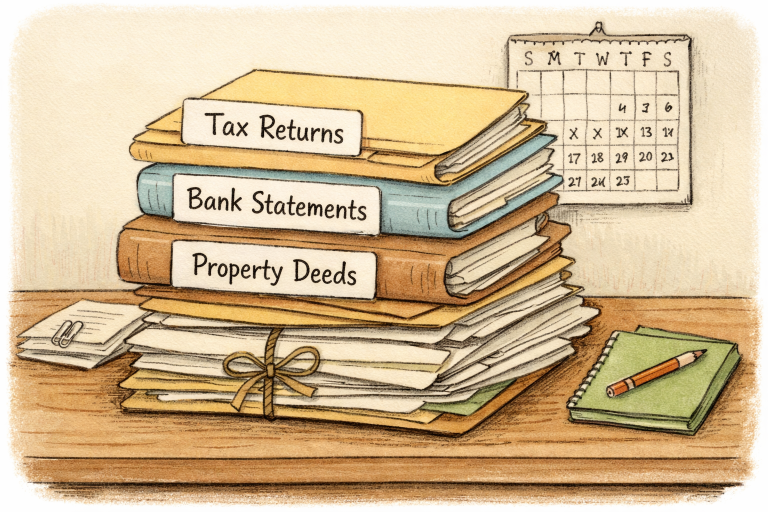
Preparation is crucial. The first and most fundamental step is to collect detailed records of your family’s financial life. Key documents you should gather include recent tax returns, pay stubs, bank statements, credit card statements, mortgage and loan documents, retirement account balances, insurance policies, and records of any real estate or valuables owned. Organizing both digital and hard copies of these records is important if you anticipate difficulty accessing them later.
These documents will serve as the foundation for negotiations, court filings, and your own understanding of your net worth. Many people underestimate the range of documents involved, so be thorough to avoid surprises during disclosure.
In addition to traditional documents, don’t neglect statements for health savings accounts (HSAs), recent appraisals for valuable art or collectibles, and business income statements if you or your spouse is self-employed. Secure your documents in a private, safe location, either physical or encrypted digital storage, to prevent tampering or loss during the divorce process.
Finally, create a clear inventory list, documenting when and where financial items were obtained. This record can clarify whether property may be considered separate or marital, which is especially relevant in Utah’s legal system.
Evaluating Your Assets and Debts
Take a comprehensive inventory of marital and separate property. List all real estate, vehicles, investment and retirement accounts, businesses, personal valuables, and shared debts. Understand the current value and location of each asset. Debts such as credit card balances, personal and educational loans, and outstanding mortgages should be clearly documented. In Utah, courts will look at what was acquired during the marriage and sometimes even after separation, depending on circumstances.
For complex holdings or when ownership questions arise, consider working with a forensic accountant or financial advisor familiar with Utah’s divorce laws. Their expertise can help ensure equitable division and prevent hidden assets or liabilities from complicating your case.
Evaluate any joint business interests or investments that may not have clear, easily divisible values. Sometimes, you may need a professional valuation or a buyout arrangement, so gather all partnership agreements and shareholder records as early as possible.
Reviewing your liabilities and understanding which debts are legally yours, or may become yours in the settlement, is critical for protecting your financial independence moving forward.
Setting a Personal Budget for After Divorce
Assessing your post-divorce financial picture is essential. Prepare an updated personal budget that reflects your anticipated income, living expenses, child care and education costs, insurance premiums, and legal fees. This will clarify whether you need to adjust your standard of living or seek additional income.
Understanding your financial needs can strengthen your case for spousal support or child support. It also helps you negotiate for necessary assets and avoid agreeing to terms you cannot sustain.
Don’t forget to account for all household expenses that may have been shared, such as utilities, groceries, and transportation costs. Factor in the possible need for new housing or relocation expenses, as well as the potential costs of health and dental insurance if you were previously covered under your spouse’s plan.
Begin tracking your spending right away to create a realistic baseline for your future financial life. Using budgeting apps or spreadsheets can make it easier to visualize your new financial landscape and identify areas where you need to adjust.
Protecting Your Credit and Financial Future
Divorce can have long-lasting effects on your credit. Monitor your credit report through all three agencies and correct any incorrect or fraudulent entries quickly. If you hold joint credit cards or loans, consider closing or refinancing them in your own name if possible, to avoid being held responsible for your spouse’s post-divorce spending or missed payments.
Open new accounts solely in your name to begin establishing independent credit. If you anticipate hardship, reach out to lenders to document the divorce process and request hardship considerations or temporary payment arrangements.
Consider placing a credit freeze or fraud alert to protect yourself if you suspect your spouse may attempt to open accounts or accrue debt in your name without permission. Schedule regular free credit checks and keep detailed records of correspondence with lenders and the credit bureaus.
Good credit will be crucial as you adjust to single-income living, apply for apartments, or finance a new vehicle. Protecting it now ensures you have more options and flexibility after your divorce is finalized.
Consulting Financial and Legal Professionals
Early guidance from seasoned professionals can be invaluable. Schedule a consultation with a local divorce lawyer who understands Salt Lake City’s court system and the nuances of Utah law. An attorney will provide vital insight about your rights, help you prepare paperwork properly, and advocate for you during negotiations or hearings.
Don’t overlook financial experts and counselors who can help you plan for the future, manage assets, and support your mental and emotional well-being. Divorce is rarely just a legal event. It’s a challenging life transition that requires support from knowledgeable advocates at every step.
You may also consider consulting a certified divorce financial analyst (CDFA) or a local mediator who specializes in family law. These experts can explain complex financial scenarios, project long-term outcomes, address tax consequences, and propose creative settlement solutions that prioritize your financial stability.
Seeking early professional advice will help you prepare emotionally for negotiations, giving you a clearer vision of what’s most important for your future and your family’s well-being.
Conclusion
Filing for divorce is a life-changing event, especially in Salt Lake City, where financial laws present unique challenges and opportunities. Careful preparation can make the difference between feeling overwhelmed by the process and moving forward with confidence. Invest the time now to organize your finances, gather documentation, consult with experts, and educate yourself about your rights. By doing so, you are protecting both your present interests and your financial future.
Remember that every divorce scenario is different, and the more prepared you are, the better positioned you’ll be to secure a fair financial outcome. The support and advice you seek today will shape your independence, peace of mind, and financial security tomorrow. Take these steps with confidence and trust that you are laying the groundwork for your next chapter.