
Finding a truly memorable gift can be challenging. You want something that expresses your feelings perfectly, avoids clichés, and stands out from the usual generic presents. Flowers are a classic choice, but standard arrangements can feel uninspired. You need something creative, personal, and thoughtful. The challenge is moving beyond the predictable to create a bouquet that genuinely speaks your language, whether for a birthday, anniversary, or a simple gesture of appreciation. In this guide, we’ll explore a range of innovative flower bouquet ideas that go beyond the ordinary, helping you craft a gift with real meaning and impact.
Key Takeaways
- Consider the recipient’s personality and the message you want to convey before choosing flowers.
- Think beyond traditional stems by incorporating fruits, foliage, or even non-floral elements like ribbons and dried botanicals.
- Learn specific techniques for creating cohesive color palettes and balancing textures for a professional look.
- Unique presentation methods, like using unconventional vessels or wrapping techniques, can elevate any bouquet.
Why Personal Meaning Matters More Than Perfection
Before diving into specific designs, it’s important to understand why personalized bouquets create a stronger impact. A generic bunch of roses can be beautiful, but a bouquet that includes the recipient’s favorite flower, a bloom that matches their birth month, or a color they love communicates that you’ve paid attention. This level of thought turns a simple gift into a powerful emotional connection. You are not just giving flowers; you are giving a story that reflects your relationship with that person. This is the core principle behind all truly creative flower bouquet ideas. Start by asking a few quiet questions: What are their favorite colors? Is there a specific scent they love, like lavender or eucalyptus? Do they prefer wild, unstructured looks or a clean, modern aesthetic? Does the bouquet need to be long-lasting, or is it for a single special dinner? These considerations guide your flower selection and overall design, ensuring the final result feels deeply personal rather than just a pretty arrangement.
How to Choose a Color Palette and Texture
Once you have a sense of the recipient’s taste, the next step is to decide on a visual direction. The most common mistake is trying to include too many colors, which often results in a chaotic or muddy appearance. A simpler, well-thought-out palette is usually more striking.
Harmonious Monochromatic Schemes
Choosing a single color for the entire bouquet is a powerful and stylish approach. This doesn’t mean everything looks the same; you can use a mix of different flower types and shades within that one color. For example, an all-white bouquet can feature fluffy white hydrangeas, delicate white spray roses, and textured white waxflower. Similarly, a bouquet of various pink blooms—from blush sweet peas to magenta dahlias—creates depth without overwhelming the eye. This method is particularly effective for creating a sophisticated, elegant feel and can be paired with unique greenery for contrast.
Contrasting and Complementary Colors
If you prefer a more vibrant look, focus on colors opposite each other on the color wheel. Purple and yellow, orange and blue, or red and green are classic pairings that naturally pop. For a creative touch, don’t just rely on flowers for the color pop. Consider incorporating yellow spray roses with deep purple foliage like hebe berries. This unexpected use of texture and hue adds layers of visual interest to your floral arrangement. Texture is just as critical as color. A mix of large, round focal flowers (like peonies or garden roses), smaller filler blooms (such as solidago or limonium), and trailing or spikey elements (like snapdragons or ivy vines) adds a professional dimension. The contrast between the soft, velvety petals of a tulip and the sharp, structured stem of a thistle or the feathery fronds of asparagus fern prevents the bouquet from looking flat.
Creative Floral Combinations to Try
Now we get to the fun part: pairing flowers in unexpected and delightful ways. The following are some popular and achievable themes that add a unique twist.
Wildflower Meadow Style
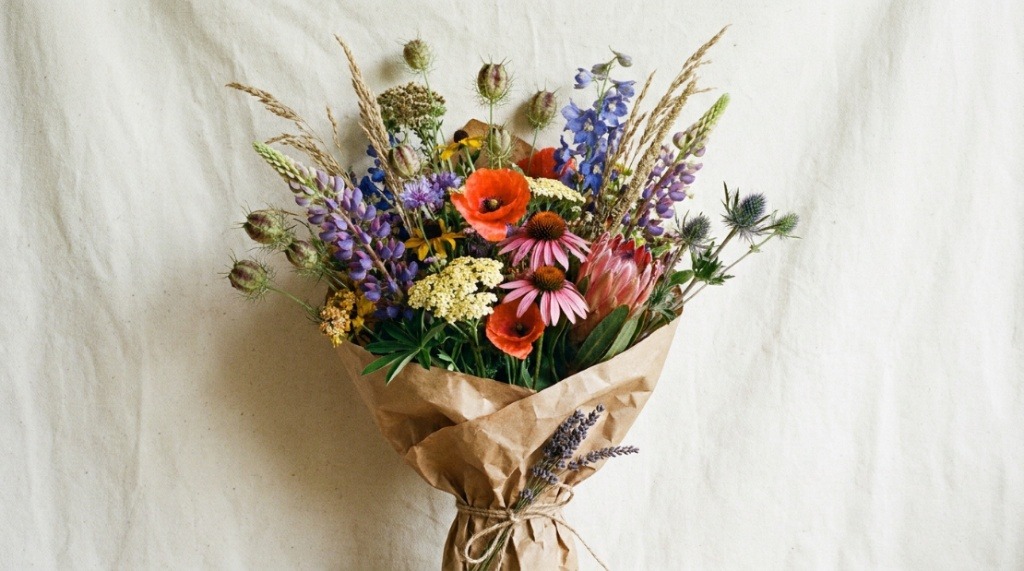
Embrace a carefree, natural look using a mix of native wildflowers, grasses, and herbs. Think poppies, cornflowers, chamomile, and ornamental grasses. This style is intentionally loose and unstructured, perfect for a picnic or a casual, joyful gathering. The charm is in the imperfections—stems of varying lengths, seed pods, and quirky twists of greenery. It feels effortless and deeply connected to the season. To achieve this, don’t bunch the flowers too tightly. Let them fall naturally, creating an airy silhouette. Use biodegradable twine or a simple ribbon tied loosely around the stems. A key benefit is that this style often features locally sourced blooms and fills, making it a more sustainable and seasonal choice.
Classic with a Modern Twist
Take a traditional rose bouquet and give it a modern update. Instead of only long-stemmed red roses, mix neutral-colored garden roses with unusual textures like scabiosa pods or dark, moody foliage like black knight colocasia leaves. This keeps the romantic symbolism of roses but changes the overall vibe from traditional to contemporary and edgy. Another way to modernize is through wrapping. Skip the standard cellophane and use a piece of high-quality linen or a decorative piece of craft paper. Secure it with a silk ribbon or a piece of delicate wire. This changes the entire presentation and makes the gift feel more like a boutique purchase than a supermarket grab.
Fruit and Floral Fusion
This is an innovative approach that is both beautiful and practical. Integrate elements like champagne grapes, small apples, or even chillies (for a fun, fiery vibe) directly into the bouquet. The fruit adds weight, color, and a surprising element of freshness. This technique works well for hostess gifts or autumn-themed celebrations. When using fruit, ensure it is properly washed and securely wired to the stems. Citrus fruits can be particularly striking, adding a bright pop of color and a subtle, refreshing scent. The combination of floral perfume and a hint of fruit creates a multi-sensory experience for the recipient,to find inspiration for celebrating special moments with your partner, explore our guide on romantic valentine’s day flower arrangements to make your love blossom .
Which Vessels and Wrapping Techniques Enhance the Gift?
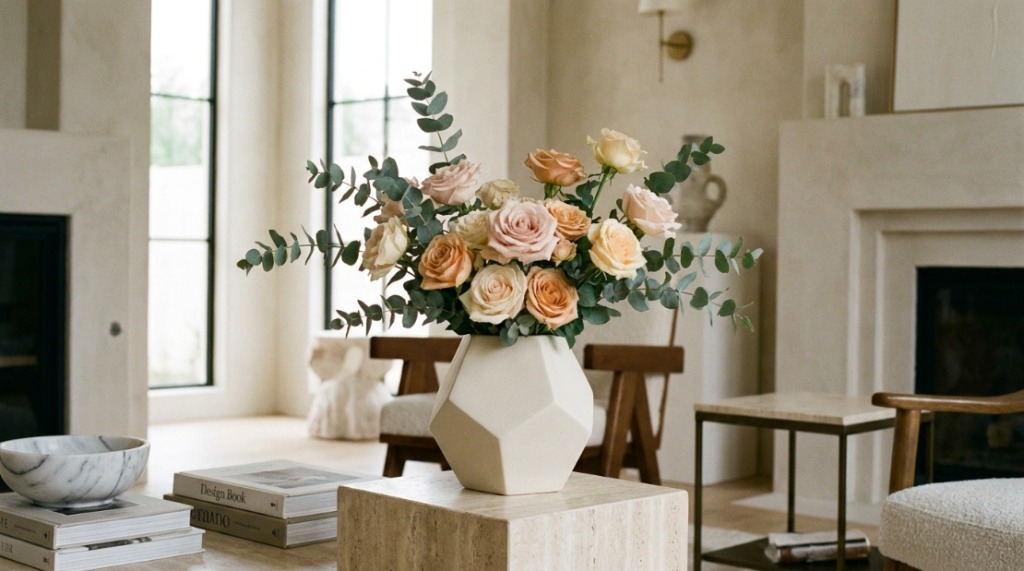
The presentation is a huge part of the gifting experience. You have several creative choices beyond the standard vase. Wrapping in Kraft Paper: This is a versatile and eco-friendly option. You can use plain kraft paper for a rustic look or decorate it with stamps, washi tape, or a hand-written note. The process involves placing the bouquet in the center of a square piece of paper, gathering the corners, and tying it securely at the stem base. For a more refined vibe, try wrapping the stems in a damp paper towel and placing them in a single sheet of tissue paper for a delicate, bakery-style presentation. High-End Linens: For a truly luxurious feel, a beautiful cotton or linen tea towel is an exceptional wrap.
Common Mistakes to Avoid When Designing a Bouquet
Even with great flower choices, small errors can detract from your design. Being aware of these common pitfalls will help you create a more polished result.
- Ignoring Seasonal Availability: Trying to force a summer peony in winter will result in a higher cost and inferior quality. Work with the season and embrace the beauty of what is naturally available at the florist.
- Skipping the Greenery: Greenery acts as the ‘bones’ of the arrangement, giving structure and filling in gaps. Using only flowers can look sparse. Consider eucalyptus, salal, ruscus, or even herbs like rosemary for added texture and scent.
- Forgetting to Condition Stems: Always cut the stems at a 45-degree angle under running water before placing them in a vase. This maximizes water intake. Also, remove any leaves that would fall below the waterline to prevent bacterial buildup, which can shorten the life of your blooms.
- Overcrowding the Arrangement: While you want a full look, cramming too many stems into a small vessel or wrapping them too tightly restricts airflow and prevents them from opening fully. Give each flower a little breathing room to shine.
- Poor Color Matching: When in doubt, use the 70-20-10 rule. Use about 70% of a dominant color, 20% of a secondary color, and 10% of an accent color for balance. This prevents visual chaos and creates a more professional finish.
How to Build Your First Creative Bouquet: A Step-by-Step Guide
If you’re ready to try your hand at making a creative bouquet, here is a simple method to follow. This technique works well for hand-tied arrangements, a popular style amongst maker communities.
- Prepare Your Materials: Gather your chosen flowers, greenery, a roll of ribbon or twine, sharp floral scissors or shears, and a clean workspace. Strip any lower leaves from the stems that would fall within the water line if placed in a vase.
- Create a Base with Greenery: Start with a generous handful of your primary greenery. Holding it in your non-dominant hand, create a stable base by crossing the stems slightly. This forms a skeleton for your flowers.
- Add Your Focal Flowers: Insert your largest or least common flower into the center of the greenery base. This is the main event of your design. Do not place it too high; it should be nestled in the middle of the arrangement.
- Build Outward in a Spiral: This is the key to a professional round bouquet. Add a stem slightly angled toward your left thumb, then a stem slightly angled outward on the right. Always turn the bouquet in your hand as you work, maintaining a spiral pattern with the stems. Continue this process as you add secondary flowers and fillers.
- Adjust and Bind: Once you have the desired size and shape, hold the bouquet tightly. Use your shears to trim the stem ends to equal lengths (about 2 inches longer than the wrap). Securely tie the stems together with floral tape or twine, making sure the tie is snug.
- Wrap and Finish: Choose your wrapping material. Position the bouquet on the wrap so the flowers rest in the center. Fold the left and right sides over the stems, then fold up the bottom and secure it with a beautiful ribbon. Remember to use a damp cotton ball or paper towel at the stem ends if you want to keep them moist until delivery.
Preserving Your Creative Bouquet
You’ve spent time and thought creating a stunning arrangement; you’ll want it to last. A few proactive steps can significantly extend its lifespan. First, always use a clean vase and add the flower food packet provided by your florist. If none is available, a simple solution of sugar, bleach, and water can help nourish the flowers and inhibit bacterial growth. Re-cut the stems every couple of days to allow for better water uptake. Keep the bouquet away from direct sunlight, drafts, and ripening fruit bowls, as the ethylene gas emitted by apples and bananas can cause flowers to age prematurely.
Frequently Asked Questions
What is the best way to choose creative flowers for a man?
Opt for an arrangement with a more structured or minimal feel. Focus on bold colors, unusual textures, and architectural foliage like monstera leaves, sunflowers, or proteas. Use natural, earthy wrapping like brown paper instead of delicate tissue, and consider adding elements like leather cord or a metal charm for a rugged or modern finish.
Can I use grocery store flowers to make a creative bouquet?
Absolutely. Innovation is about technique and color, not just the source of the flowers. Purchase a few stems of different types and a neutral filler from your local store. The key is to mix colors and textures thoughtfully, strip extra leaves, and arrange them in a tight, structured pattern to make them look intentional and high-end.
How do I stop my bouquet from becoming a floppy mess?
This usually happens due to two reasons: bacteria or lack of structural support. Always use a thoroughly cleaned vase. When creating a hand-tied bouquet for a vase, you should use enough stems to create friction, so they hold each other up. If a stem is particularly weak, use a thin piece of green floral wire wrapped up the stem to give it extra support.
What are some long-lasting creative flower options for a gift?
Choose blooms known for their exceptional vase life. Orchids, chrysanthemums, carnations, and most varieties of greenery (like eucalyptus) are excellent. For a modern twist, include non-floral elements like dried palm leaves or lotus pods, which can last for years and are increasingly popular in dried-flower arrangements.
Are there cultural considerations when sending a creative bouquet?
Yes, flower symbolism varies significantly around the globe. For example, white flowers are often associated with mourning in some Asian cultures, while red roses are a clear symbol of romance in many Western societies. Before crafting a bouquet, especially for a recipient from a different background, it’s wise to research the meaning of the flowers you plan to use to ensure you are conveying the correct sentiment.
Conclusion
Selecting creative flower bouquet ideas is less about following complex rules and more about tapping into personal preferences and thoughtful presentation. By moving beyond generic clichés, focusing on meaningful color palettes and textures, and considering unique wrapping, you transform a simple gift into a cherished memory. The process is a joy, whether you are creating this yourself for a friend or visiting a professional florist to discuss options. The true success is reflected in the smile of the recipient and the feeling that you’ve given them something truly special that speaks directly to them. So, embrace your creativity, think about the person, and enjoy the rewarding experience of giving flowers with a personal signature.


