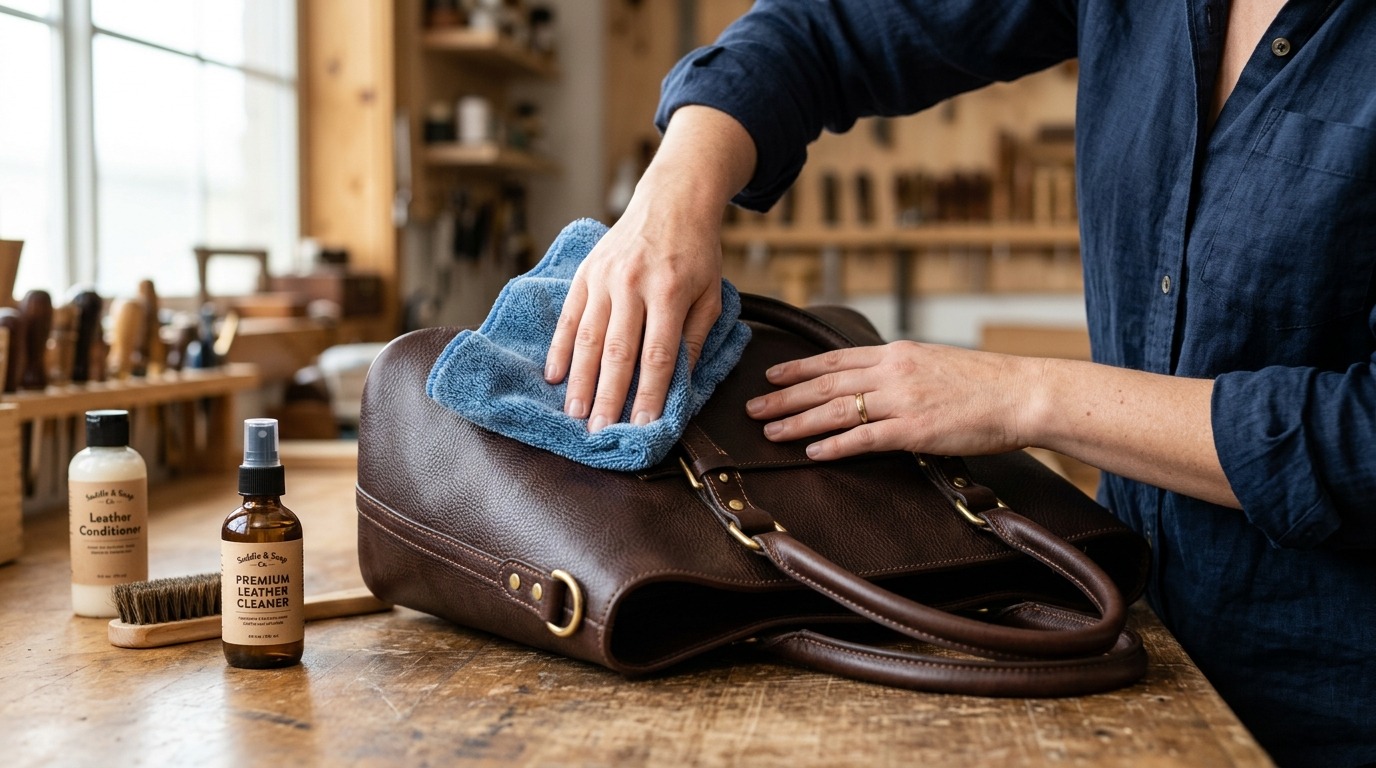
A work bag takes a beating that few people plan for: it sits on train floors, collects crumbs from desk lunches, absorbs rain on the walk from the parking lot, and somehow ends up with a coffee stain near the zipper. If your bag happens to be a durable rolling laptop bag from Amazon Basics, the good news is that its polyester build and wheeled frame respond well to simple, consistent care. This guide covers exactly how to clean, protect, and maintain it, plus the mistakes that quietly shorten a bag’s lifespan.
Quick Answer
Clean your work bag by emptying it completely, shaking out debris, wiping the exterior with a damp cloth and mild soap, and spot-treating stains rather than soaking the fabric. Vacuum or brush the interior, clean wheels and handles separately, and let the bag air-dry fully before repacking. Do a quick weekly wipe-down and a deeper clean every one to three months, depending on use and weather exposure.
Key Takeaways
- Most work bag damage comes from neglect and overloading, not from normal daily use.
- Spot cleaning with mild soap beats full washing, which can warp linings and damage wheels or telescopic handles.
- Rolling bags need extra attention on wheels and handle rails, since grit there causes the most wear.
- Air-drying away from direct heat prevents odor, mold, and shape loss.
- How you pack the bag matters as much as how you clean it for long-term durability.
Start With the Right Cleaning Supplies
You do not need a specialized kit. A few household items handle almost every situation, and using the wrong product is more damaging than using nothing at all.
What works well:
- Microfiber cloths (two or three, so you always have a clean one)
- Mild dish soap or a gentle laundry detergent diluted in lukewarm water
- A soft-bristled brush, such as an old toothbrush, for seams and wheel housings
- Cotton swabs for tight corners around zippers and handle mounts
- A small vacuum with a brush attachment for interior crumbs and dust
What to avoid:
- Bleach, ammonia, and abrasive cleaners, which can weaken synthetic fabric and fade color
- Washing machines and dryers, which can bend telescopic handles and distort the base of a rolling bag
- Soaking the bag in water, which traps moisture inside padding and stiffeners
- Stiff wire brushes that snag polyester weave
If your bag has a care tag, read it first. Manufacturer guidance overrides general advice, especially for coated or water-resistant finishes, For styling tips outside of work hours, check out our guide on how to choose between designer and affordable clutch bags.
How to Clean a Rolling Laptop Bag Step by Step
Work from the inside out. Cleaning the exterior first just pushes dirt back into an empty interior later.
- Empty every pocket. Remove pens, chargers, receipts, and anything that could leak or scratch. Check the laptop sleeve and any hidden compartments.
- Shake and vacuum the interior. Turn the bag upside down over a trash can, then vacuum the lining with a brush attachment. Pay attention to the corners of the laptop compartment, where dust and grit collect.
- Wipe down the interior. Dampen a microfiber cloth with diluted mild soap and wipe the lining. For odors, leave an open box of baking soda inside overnight, then vacuum it out.
- Clean the exterior. Wipe the fabric with a damp cloth and mild soap solution. Work in sections and rinse the cloth often so you are removing dirt rather than spreading it.
- Spot-treat stains immediately. Blot, do not rub. Rubbing pushes stains deeper into the weave and can pill the fabric surface.
- Clean the wheels and base. Use a soft brush to remove hair, grit, and debris wrapped around the wheel axles. Wipe the wheel housings with a damp cloth. This is the single most overlooked step on rolling bags.
- Wipe the telescopic handle. Extend it fully and wipe the rails with a damp cloth, then dry them. Grit on the rails is what makes handles sticky and hard to slide over time.
- Air-dry completely. Open all pockets and zippers and let the bag dry in a well-ventilated spot away from direct sunlight and heat. Do not repack until it is fully dry inside and out.
Why Rolling Bags Need a Different Maintenance Routine
A rolling laptop bag has mechanical parts that a backpack does not, and those parts fail for different reasons. Understanding what wears out first helps you focus your maintenance where it actually matters.
- Wheels and axles: Hair, thread, and grit wrap around axles and gradually increase rolling resistance. Left alone, this can lead to wobbling wheels and damaged housings.
- Telescopic handle rails: Dust and dried moisture make the handle stiff. Forcing a stiff handle can bend the internal tubes.
- Base and corner reinforcement: The bottom of a rolling bag contacts pavement, curbs, and stairs constantly. This is where fabric abrasion shows up first.
- Zippers under load: A rolling bag is often packed heavier than a backpack, which puts more stress on zipper teeth and sliders.
This is why a full machine wash is a bad idea for this type of bag. Water trapped inside the base padding and around the wheel mounts can cause rust on metal components and lingering odors in foam layers that take days to dry.
How Often Should You Clean Your Work Bag?
Frequency depends on how you use the bag, not on a fixed schedule. Use this as a practical guide:
- Weekly: Empty crumbs and receipts, wipe high-touch areas like the top handle.
- Monthly: Wipe the exterior, brush the wheels, and check zippers for grit.
- Every one to three months: Full interior and exterior clean, including the handle rails and wheel housings.
- Immediately: Any spill, rain soaking, or exposure to mud, sand, or salt.
If you commute daily in a rainy or dusty environment, lean toward the shorter end of that range. If the bag mostly sits in an office, the longer end is fine.
Common Mistakes That Shorten a Work Bag’s Life
Most premature bag failure traces back to a handful of habits rather than one dramatic event.
- Overloading the bag. Stuffing a laptop, books, and gym clothes into a bag rated for lighter loads strains seams, zippers, and the handle assembly.
- Hanging the bag by one strap or the top handle for long periods. This distorts the shape and stresses attachment points.
- Storing the bag wet. Damp fabric in a closed closet is a recipe for mildew and odor.
- Ignoring small repairs. A loose thread or a slightly sticky zipper is cheap to fix early and expensive to fix after it fails completely.
- Setting the bag on wet or dirty surfaces. The base picks up moisture, grit, and stains that work their way into the fabric.
- Using harsh chemicals to remove stains quickly. Fast results often come at the cost of faded color or weakened fabric.
Everyday Habits That Keep a Work Bag Cleaner Longer
Prevention does more than cleaning. A few small habits dramatically reduce how often the bag needs deep attention.
- Use a small pouch or organizer inside the main compartment for pens, cables, and small items that leak or scratch.
- Keep food and drinks in a separate, sealed container, never loose in the bag.
- Wipe the wheels on a doormat or grass before bringing the bag indoors.
- Store the bag empty, or lightly packed, in a dry, ventilated space rather than a damp basement or a hot car.
- Retract the telescopic handle fully when not in use to keep rails clean and straight.
- Rotate between two bags if you commute daily, giving each one time to air out.
When to Repair vs. Replace
Not every problem means a new bag. Some issues are worth fixing, and others signal it is time to move on.
| Problem | Repair or Replace | Why |
|---|---|---|
| Sticky or stiff telescopic handle | Repair | Usually just dirt on the rails; cleaning often resolves it |
| Wobbly or noisy wheel | Repair or replace wheel | Often debris in the axle, sometimes a worn wheel that can be swapped |
| Minor zipper snag | Repair | Lubricating or realigning the slider is inexpensive |
| Small seam separation | Repair | A tailor or shoe repair shop can reinforce it cheaply |
| Torn fabric across a load-bearing seam | Replace | Structural fabric failure rarely holds up after repair |
| Persistent mildew odor in padding | Replace | Once mold reaches foam layers, it rarely comes out fully |
| Bent or cracked handle frame | Replace | Internal frame damage is generally not cost-effective to fix |
As a general rule: if a repair costs more than roughly a third of the bag’s price and the bag is already several years old with visible wear, replacement usually makes more sense.
Frequently Asked Questions
Can I put my rolling laptop bag in the washing machine?
No. Machine washing can bend the telescopic handle, distort the reinforced base, and trap water inside padding and wheel mounts. Spot clean with a damp cloth and mild soap instead, and always air-dry.
How do I remove odors from a work bag?
Empty the bag, vacuum the interior, and place an open box of baking soda or a bowl of activated charcoal inside overnight. For light mildew smell, wipe the lining with a diluted white vinegar solution, then air-dry completely before use.
How do I clean the wheels on a rolling bag?
Use a soft brush or an old toothbrush to remove hair, thread, and grit from around the axles and wheel housings. Wipe the wheels with a damp cloth and let them dry. Do not apply oil, which attracts more debris.
What is the best way to store a work bag when not in use?
Store it empty or lightly packed in a dry, ventilated spot away from direct sunlight. Keep the telescopic handle retracted, leave zippers partly open for airflow, and avoid damp basements, garages, or hot cars.
How do I handle a coffee or ink stain on a work bag?
Blot the stain with a clean cloth as soon as possible. Apply a small amount of diluted mild soap with a soft cloth, working from the outside of the stain inward. Blot, do not rub, and repeat gently before air-drying. Set-in stains may need a second pass over a few days.
Does cleaning a bag affect its water resistance?
It can. Harsh cleaners and scrubbing can wear down water-repellent coatings over time. Mild soap and gentle wiping preserve the finish longer, and a spray-on fabric protector can help restore water resistance on bags that originally had a coating.
Conclusion
Keeping a work bag clean comes down to a short, repeatable routine: empty it regularly, spot clean instead of soaking, brush the wheels, and air-dry fully before repacking. Rolling bags reward this attention more than most because their wheels and handles are the parts most likely to fail first. Set a monthly reminder for a quick wipe-down and a deeper clean every one to three months, and your bag will stay presentable and functional far longer than one that only gets attention after something breaks.